

Tata Punch EV review

Kushal Rajbhandari
· Sep 21, 2026
Good
A safe, comfortable and cheap-to-run electric SUV that is well matched to Nepali roads, held back by real-world range and a tight rear seat.
Kushal Rajbhandari
Sep 21, 2026
A safe, comfortable and cheap-to-run electric SUV that is well matched to Nepali roads, held back by real-world range and a tight rear seat.
Kushal Rajbhandari
Sep 21, 2026
What we like
- Instant, effortless power in city traffic
- Supple ride over rough and broken roads
- 6 airbags and ESP as standard
- Low home-charging running costs
- Spacious, feature-rich cabin with lots of storage
- Fast DC charging, 10 to 80 percent in about 30 minutes
What could be better
- Real world range below certified figures
- Reliance on a limited public charging network for long trips
- Light steering with little feedback at speed
- No rear AC vents
- Rear drum brakes rather than discs
The Tata Punch EV is the most convincing case yet for an affordable, genuinely usable electric SUV in Nepal, and it earns that standing on the two things that matter most here: safety and the strength of the network behind it. Built on Tata's dedicated acti.ev platform and sold by Sipradi in two battery sizes, it pairs a tall, chunky sub-compact SUV stance with 195 mm of ground clearance that shrugs off the broken tarmac and speed breakers that punish lower cars. Instant torque makes it effortless in traffic, the ride is supple, and running costs on home charging are low.
It is not without compromise. Real-world range sits below the certified figures, so longer highway runs still need planning around a public charging network that is growing but thin outside the cities. The steering is light and short on feedback, rear legroom is tight for taller passengers, and there are no rear air vents. None of that undoes the core appeal. This is a car for city and suburban drivers who want a safe, comfortable, cheap-to-run electric SUV, and it matters less if you regularly cover long distances where charging is scarce.
Two battery packs frame the decision. The Smart +32 uses a 32 kWh pack and suits pure city duty; the Empowered 40 and Empowered +S 40 step up to a 40 kWh pack with meaningfully more range and quicker acceleration, and the top trim layers on the features that make it feel special.
Design, interior & features
Design and exterior8.0
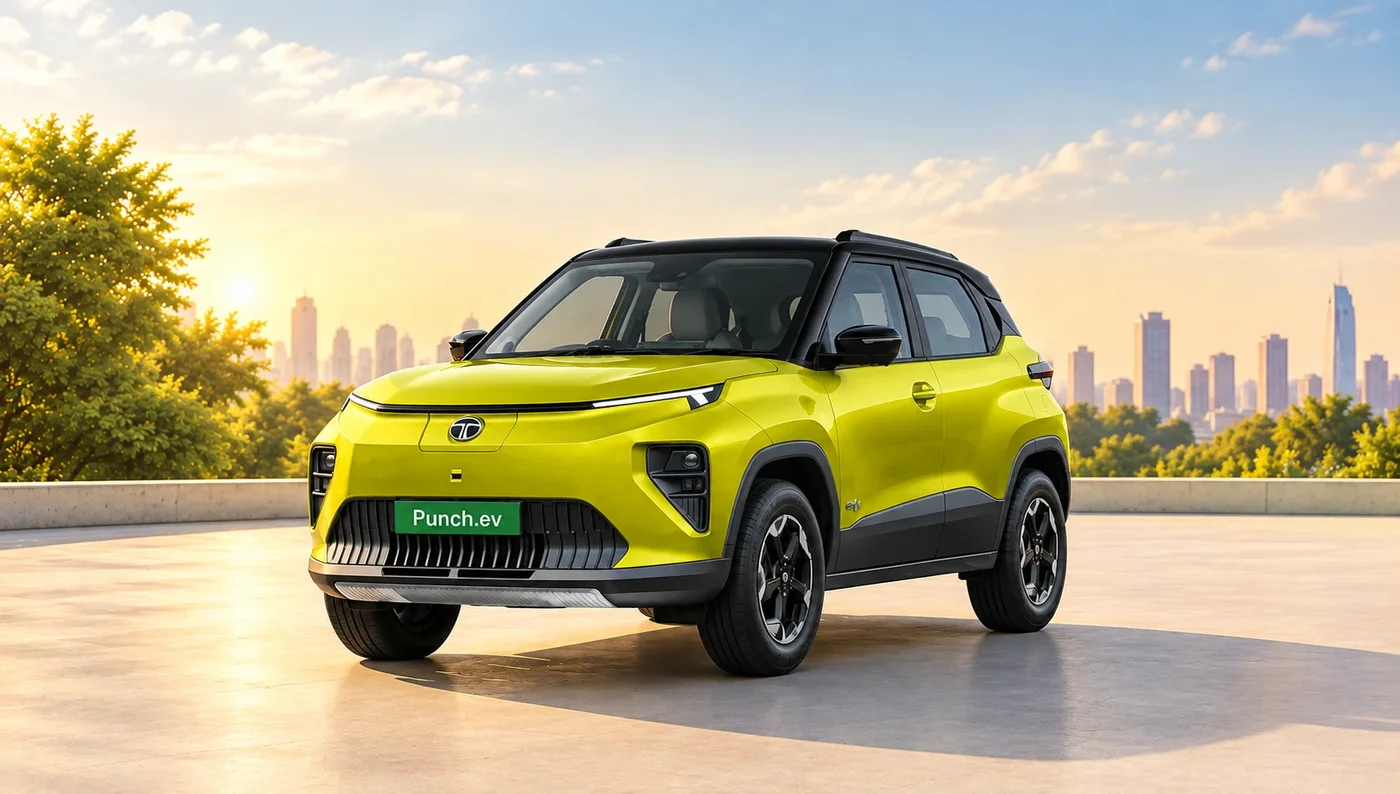
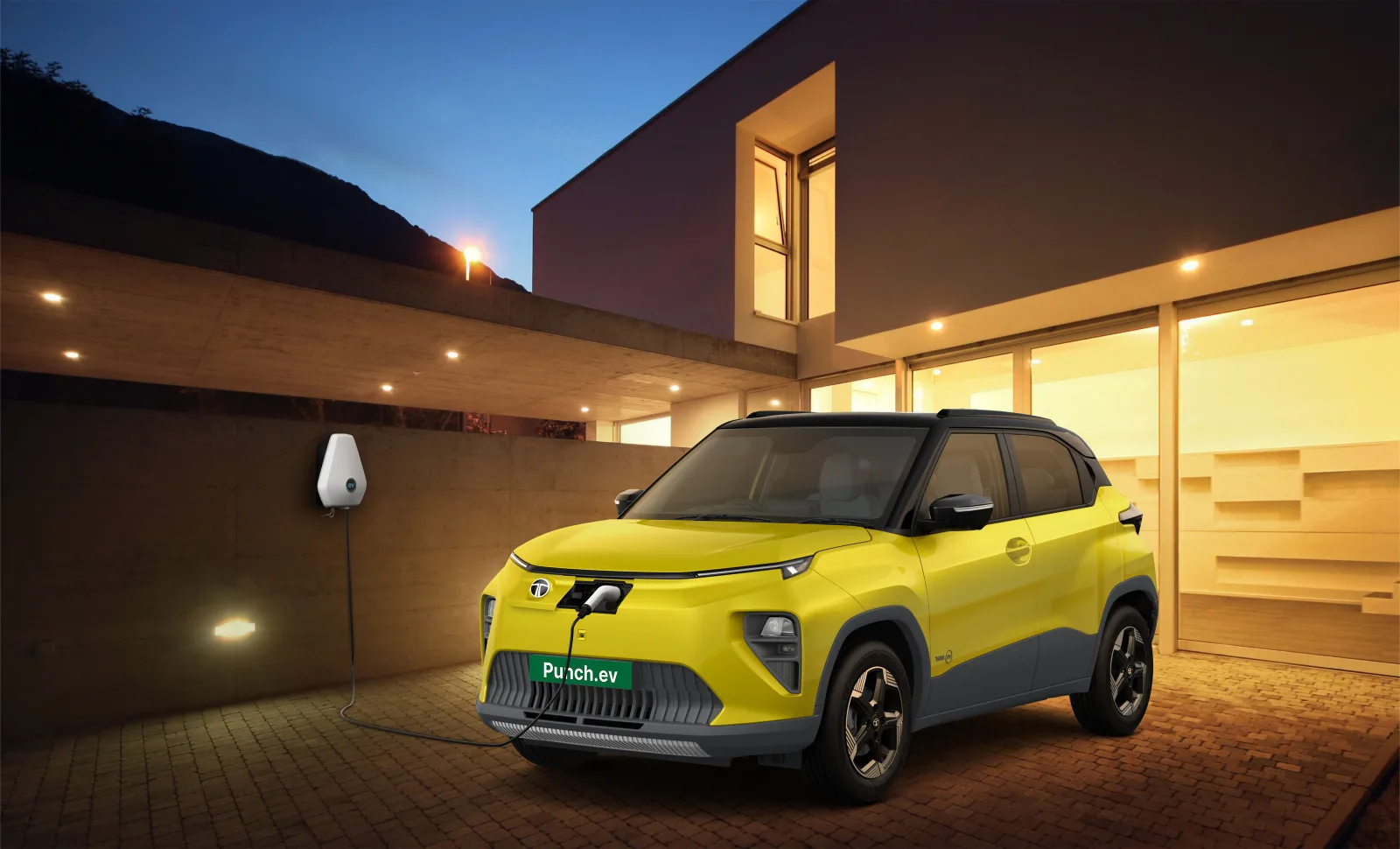
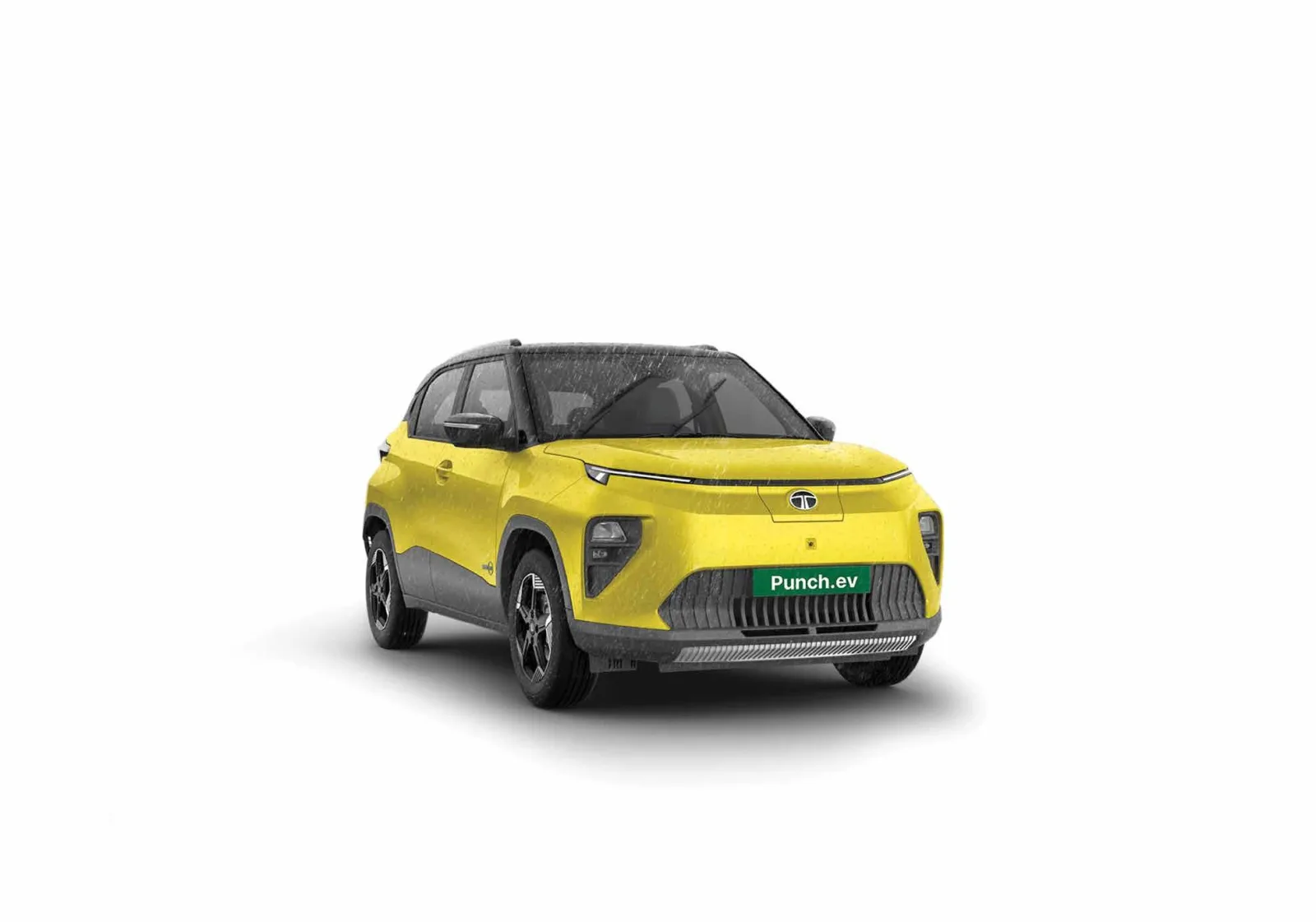
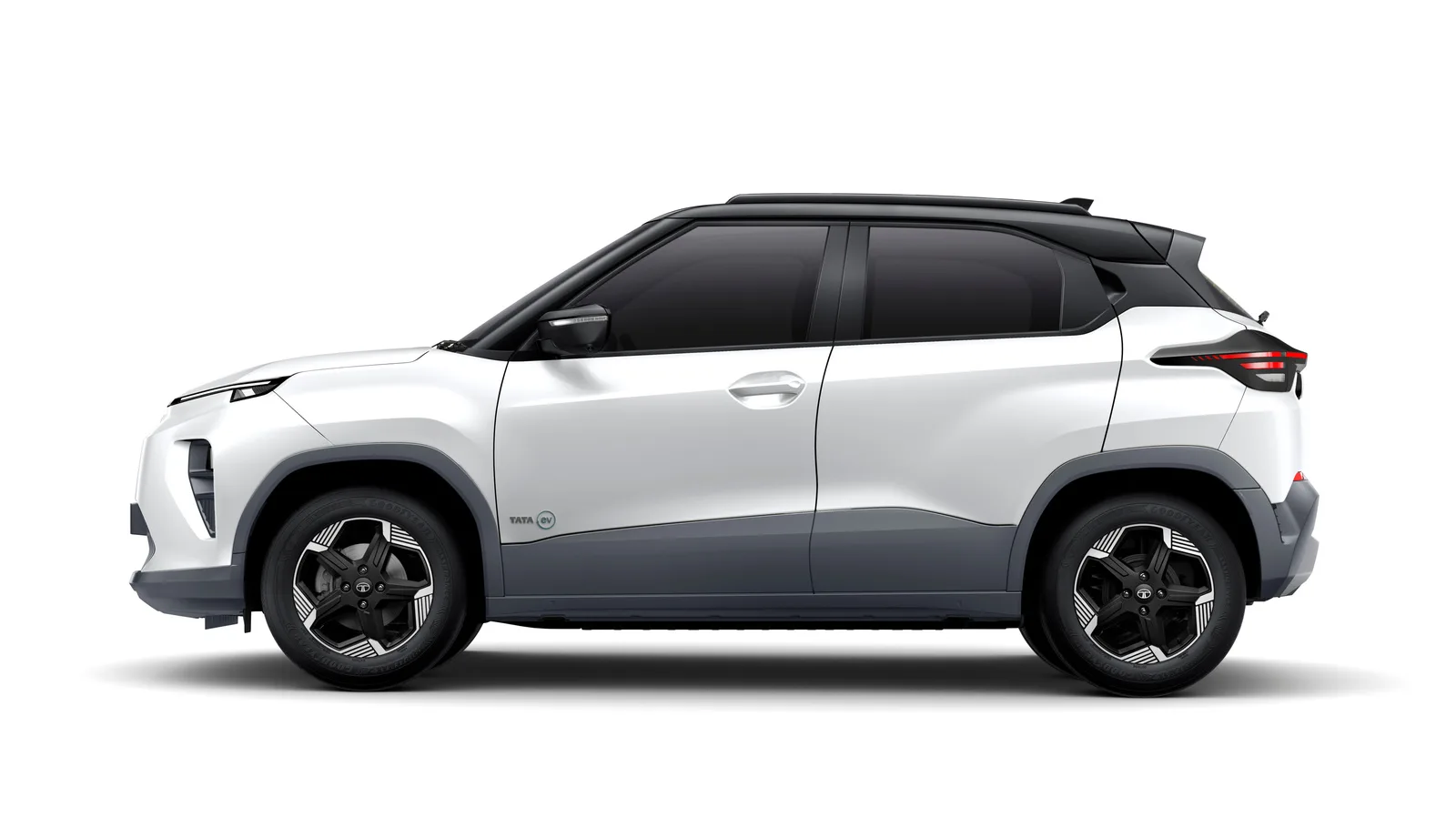
The Punch EV looks like a small SUV that has been given room to breathe rather than a hatchback wearing plastic cladding. The tall body, upright nose and 195 mm of ground clearance give it real road presence and a stance that reads as capable, and the EV-specific closed-off face with the full-width light signature marks it out from the petrol Punch without trying too hard. It is compact at 3,880 mm long on a 2,445 mm wheelbase, which keeps it easy to place and park in tight Kathmandu streets.
Interior, space and practicality6.0
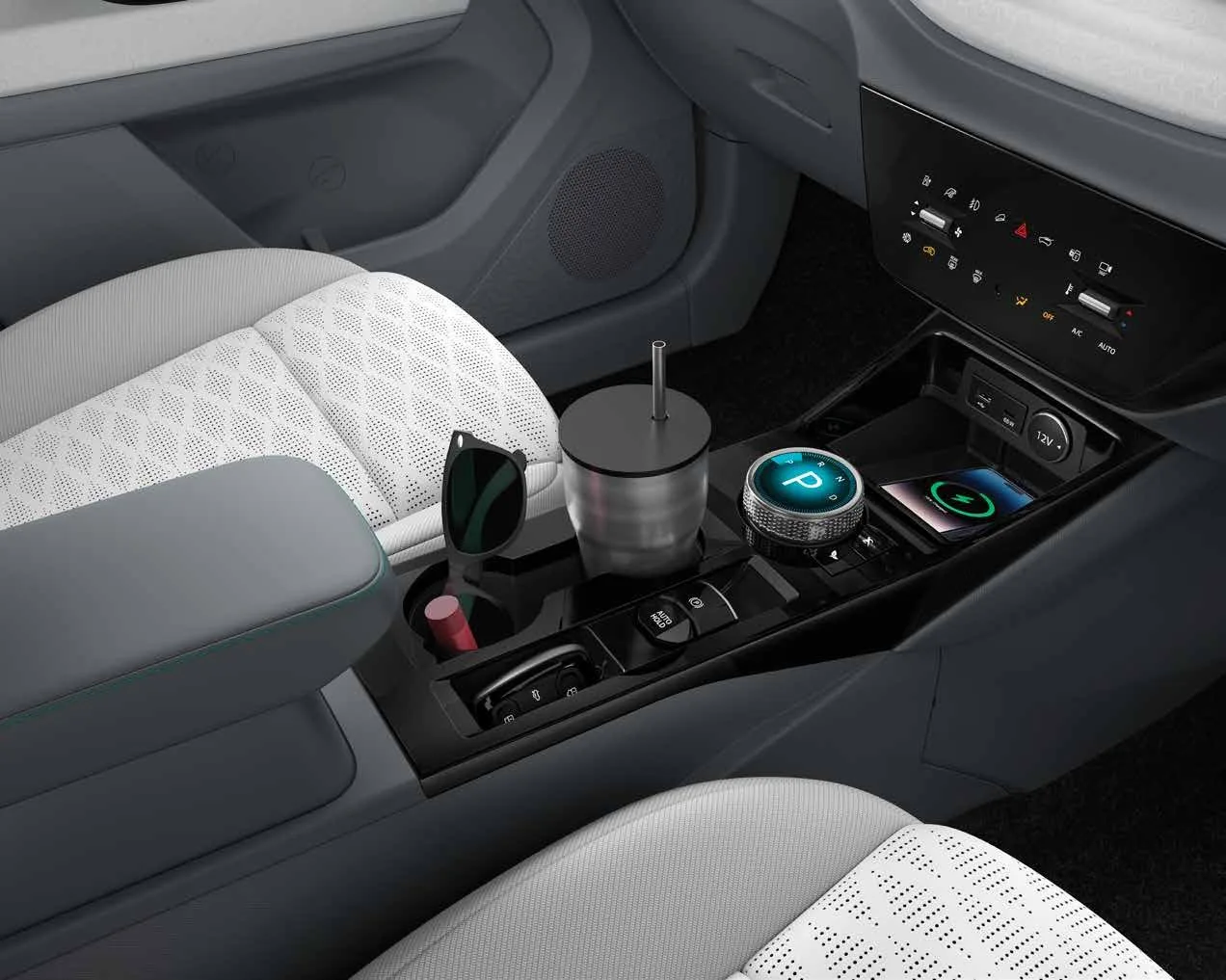
Inside, the Punch EV feels more generous than its footprint suggests, with a light dual-tone cabin, plenty of oddment storage and a boot of 366 litres that copes with a weekly shop or airport run. The front seats are comfortable and the driving position is commanding. The catch is the rear: legroom is tight for taller passengers, the bench is best suited to two adults, and there are no rear air vents, which back-seat passengers notice on a hot day. There is no spare wheel either, only a repair kit, and the front boot is a paid accessory rather than standard. For a small family doing city miles it is practical enough; for four adults on a long trip it starts to feel its size.
Features and technology8.0
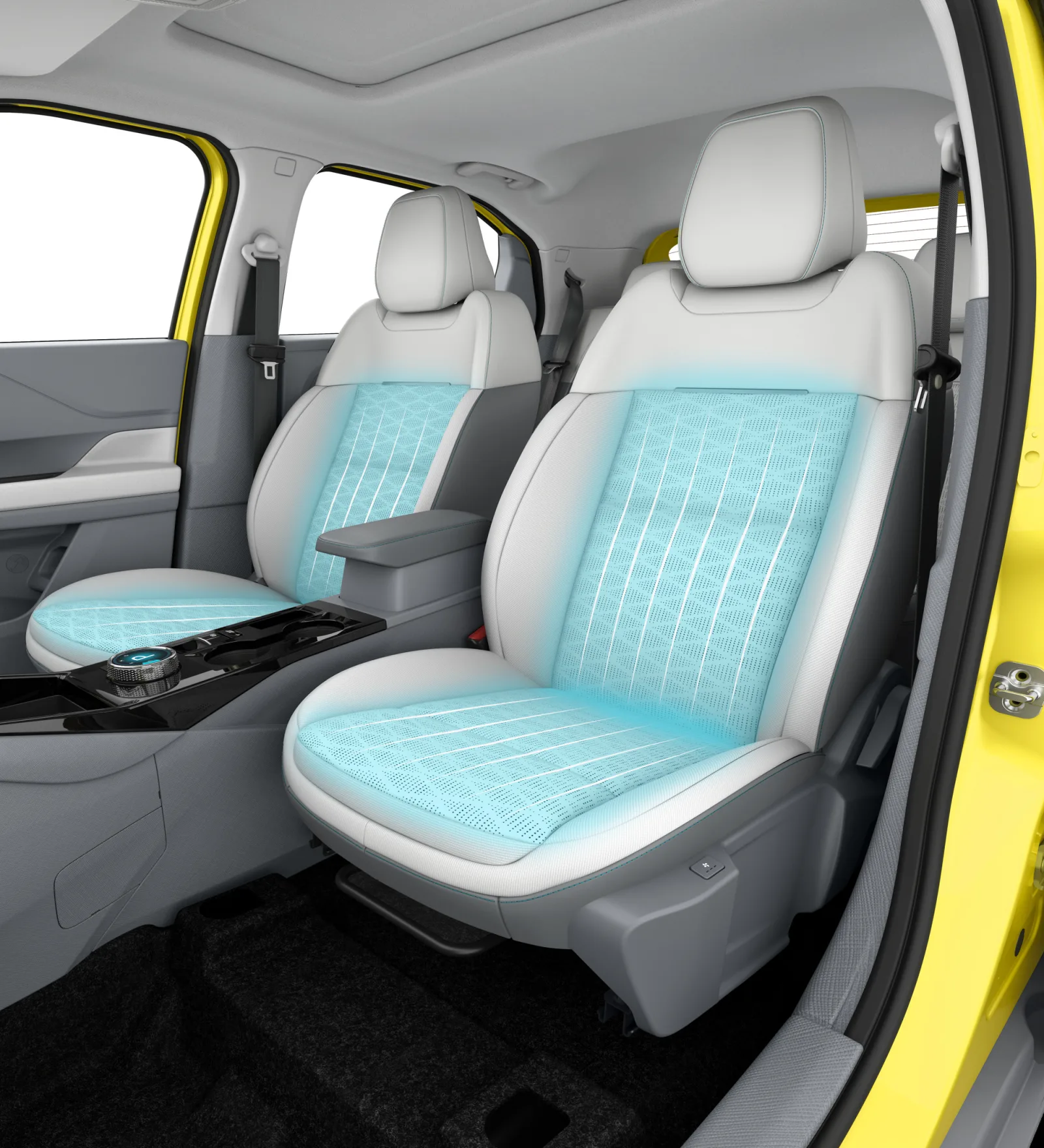
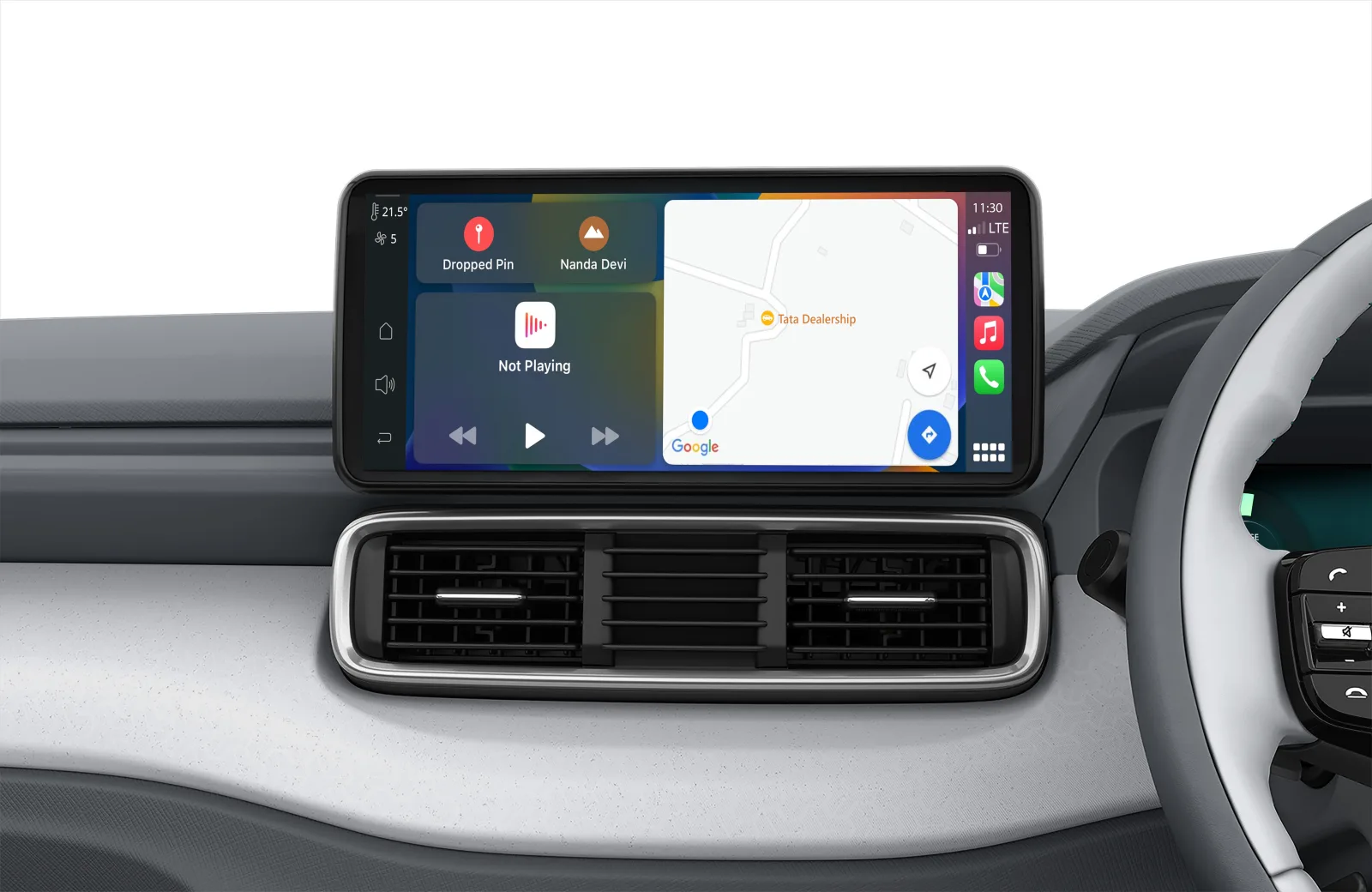
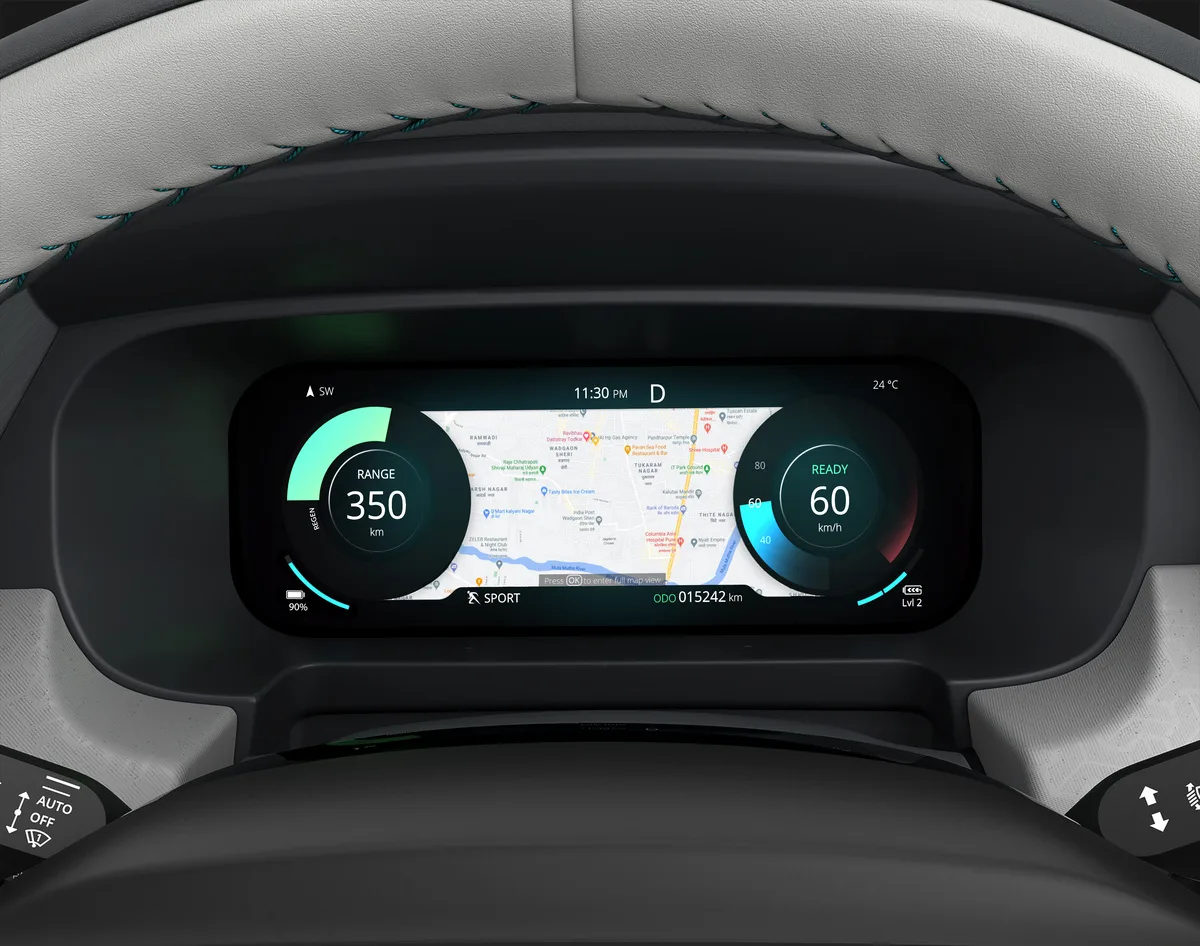
This is where the Punch EV punches above its price. Higher trims get a crisp 26.03 cm touchscreen with wireless Apple CarPlay and Android Auto, a fully digital driver display, a 360 degree camera, blind spot view monitor, an electric sunroof, ventilated front seats, an air purifier and a wireless phone charger. Sensibly, Tata keeps physical buttons and a rotary drive selector rather than forcing everything onto the screen, and adds four levels of regenerative braking adjustable on the paddles. The infotainment is easy to navigate and the kit list, taken as a whole, is hard to match at the money.
Range, battery & charging
Real-world range6.0
Treat the certified numbers as a ceiling, not a promise. In mixed Nepali driving the Smart +32 returns roughly 260 to 275 km and the 40 kWh cars around 335 to 355 km, and hard city or hill use can pull those lower. That is comfortably enough for daily commuting and weekend runs near the valley, but a highway trip to the hills needs charging planned in advance. The honest read is that this is a city and suburban EV with useful reach, not a long-distance tourer.
- Battery
- 32 kWh LFP
- Motor
- 65 kW
- Real-world range
- ~260-275 km
- 0-100 km/h
- ~13.5 s
- Battery
- 40 kWh LFP
- Motor
- 95 kW
- Real-world range
- ~335-355 km
- 0-100 km/h
- ~9 s
Battery7.0
Tata uses an LFP prismatic pack with liquid cooling, and it is one of the Punch EV's quieter strengths. LFP chemistry tolerates heat and frequent full charging better than the alternatives, which suits Nepal's climate and the reality of topping up whenever a charger is free, and the pack is covered for 8 years or 1,60,000 km. That long warranty and the durable chemistry take much of the anxiety out of long-term EV ownership here.
Efficiency7.0
The Punch EV is efficient where it spends most of its life. In stop-start city traffic the light kerb weight, aggressive regeneration and single-pedal driving claw back a lot of energy, and the LFP pack holds up well over time. Efficiency drops on sustained highway speeds and long climbs, as it does with any EV, but for the commuting most owners will do it is genuinely cheap to run.
Charging7.0
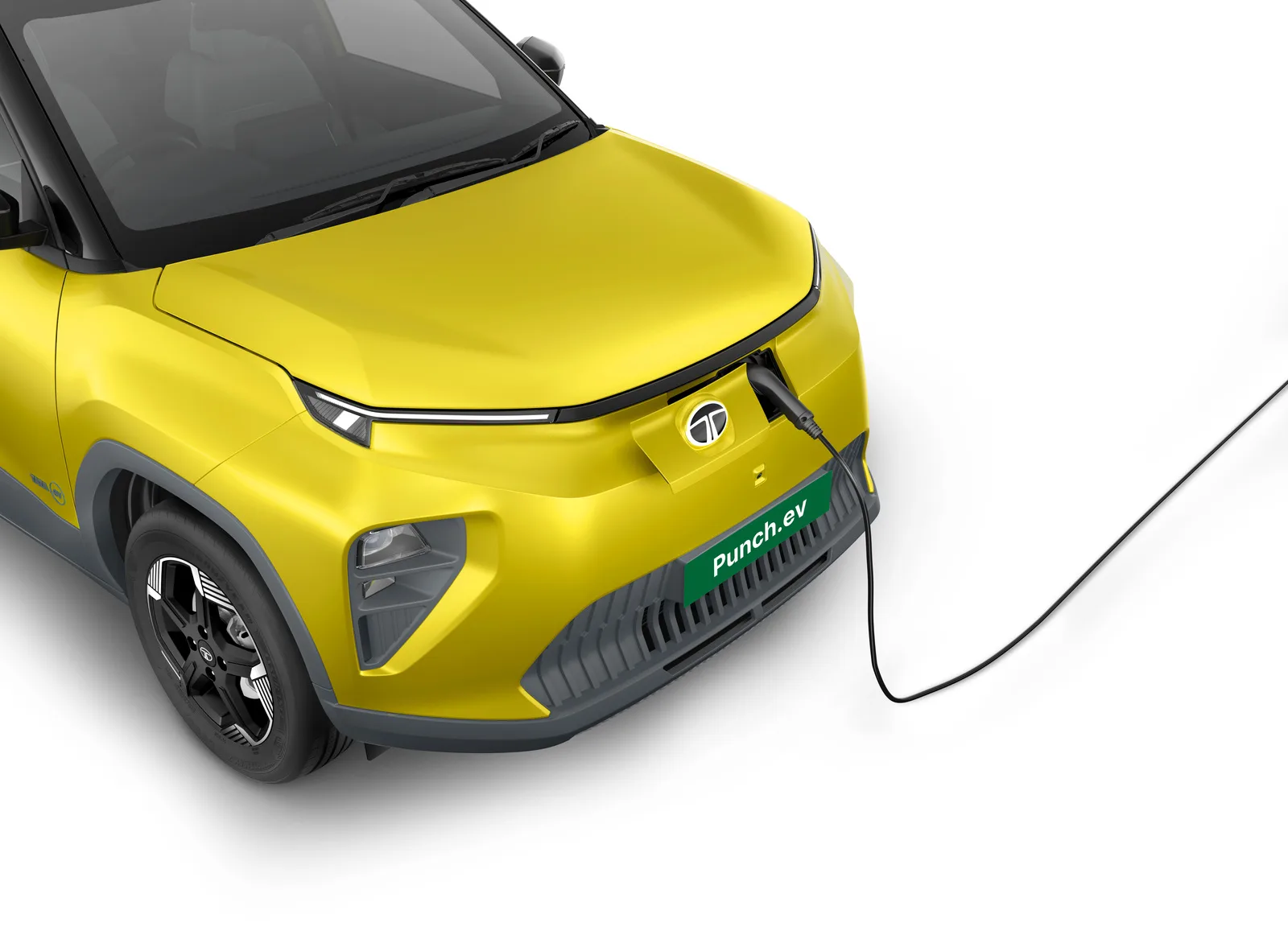
Charging is a clear step up on the current car. All variants take a CCS2 connector with up to 65 kW DC fast charging, which takes the battery from 10 to 80 percent in about 30 minutes when you find a fast charger. At home, the standard 3.3 kW cable is slow but fine for overnight, and the optional 7.2 kW wall box fills the 40 kWh pack in roughly five and a half hours. For most owners, home charging overnight will cover daily needs without ever visiting a public charger.
Charging availability6.0
The CCS2 standard is the right call because it matches the connectors on Nepal's growing public network, and the count of AC and DC points around the Kathmandu valley and along the main corridors keeps climbing. The honest caveat is that coverage thins quickly once you leave the cities, and fast chargers can be busy or out of service, so anyone planning regular trips beyond the valley should map their stops rather than assume a charger will be there.
Performance & driving
Performance7.0
The 40 kWh cars are genuinely brisk, with a 95 kW motor that dispatches 0 to 100 km/h in around nine seconds and delivers its torque instantly, which is exactly what makes an EV feel quick in the cut and thrust of city traffic. The Smart +32 with its 65 kW motor is slower on paper and more relaxed in feel, but still responsive enough for daily use. Three drive modes let you soften or sharpen the throttle, and Tata has deliberately smoothed the initial surge so it is easy to drive smoothly rather than lurchy.
Driving experience, ride and handling7.0
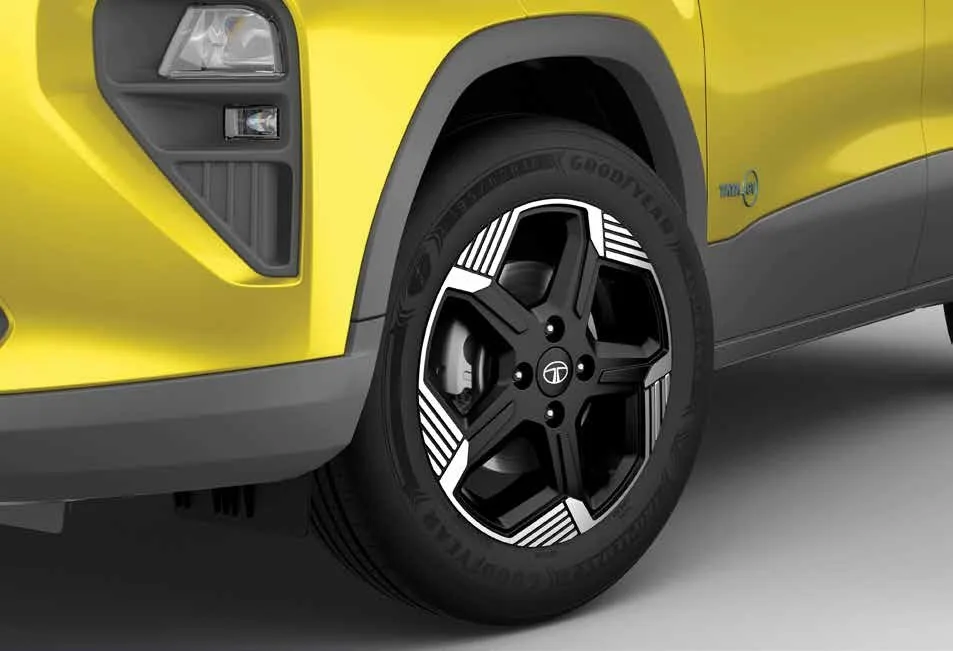
The ride is the Punch EV's other Nepal-friendly trait. The suspension is tuned soft, and with a chassis that is markedly stiffer than the petrol car's, it stays composed over rough surfaces without feeling wallowy. It is happiest at city and suburban speeds, where it feels planted and confident. The weak point is the steering, which is light and short on feedback, so it never encourages you to hurry through a set of bends. This is a car set up for comfort and ease, not for driver engagement, and for its buyers that is the right choice.
Hill performance7.0
On climbs the instant torque is a real advantage, pulling cleanly uphill without the downshifts and strain of a small petrol engine. The trade-off is range: sustained ascents drain the battery faster than the trip computer's early estimate suggests, so a hill run eats into your buffer. Coming back down, the multi-level regenerative braking recovers energy and holds speed in check, which reduces reliance on the brakes on long descents. Plan the round trip around a charge and it climbs confidently.
Road tolerance8.0
Few affordable cars are as well matched to Nepali roads as this. The 195 mm of ground clearance clears speed breakers, rutted lanes and unpaved stretches that would scrape a low hatchback, and the soft, long-travel suspension soaks up potholes and broken edges rather than crashing into them. The high seating position also helps you read bad surfaces early. This is one of the Punch EV's strongest cards and a genuine reason to buy it here.
Safety & build
Safety9.0
Safety is the Punch EV's headline achievement. It carries a 5 star Bharat NCAP rating and, crucially, makes six airbags and electronic stability control standard across the range rather than reserving them for the top trim. Every version also gets ABS with EBD, ISOFIX child-seat mounts, hill-hold assist, a tyre pressure monitor and rear parking sensors, while higher trims add a 360 degree camera and blind spot monitoring. In a market where many cheaper cars still cut safety to hit a price, this is class-leading and the single strongest reason to pick it.
Build quality and reliability7.0
The Punch EV feels solidly screwed together, and the acti.ev platform's stiff structure underpins both its safety and its composed ride. Tata's EV reliability has improved and the LFP pack is a durable, low-maintenance item. It is not flawless: the rotary drive selector can be slow to respond and there are the usual first-owner niggles to expect from an affordable EV, and the rear drum brakes are a cost-driven choice rather than a performance one. Overall it feels built to take Nepali conditions.
Value & ownership
Price and value7.0
Judged on what you get, the Punch EV is strong value. Standard six airbags and stability control, a 5 star crash rating, a long list of comfort and convenience features and a well-sorted ride add up to a lot of car and a lot of safety. The counterpoint is that newer Chinese rivals undercut it and pile on features and range, so it no longer wins on sheer specification. What it offers instead is a proven safety story and a support network, and for many Nepali buyers that is worth paying for.
Ownership cost8.0
This is where an EV like the Punch pays you back. Charged at home, the running cost per kilometre is a fraction of a petrol equivalent, servicing is simpler with fewer moving parts, and the LFP battery's long warranty and durable chemistry limit the biggest long-term worry. For a high-mileage city user the monthly saving over petrol is substantial and is the clearest financial argument for the car.
After-sales support8.0
Sipradi has represented Tata in Nepal since the early 1980s and runs one of the most established sales and service networks in the country, and that backbone is a real, if unglamorous, advantage. Parts availability, trained technicians and a dealer you can actually reach matter more with an EV, where a poorly supported car can be stranded, and here the Punch EV is on far firmer ground than most newcomer brands.
Service outside Kathmandu8.0
The same network is what sets the Punch EV apart once you leave the valley. Sipradi's reach into other towns and highways means service and parts are more likely to be within range than they are for brands concentrated in Kathmandu, which lowers the risk of buying an EV if you live or travel outside the capital. Charging beyond the cities remains the bigger constraint, but on the service side the Punch EV is better covered than most of its rivals.
Verdict
The Tata Punch EV is a well-judged, sensible electric SUV that plays to exactly the things that matter in Nepal. Its 5 star crash rating with six airbags as standard, its high-clearance chassis tuned for broken roads, its low home-charging running costs and the reassurance of Sipradi's nationwide service network make it one of the safest and easiest electric cars to live with here. It asks you to accept real-world range that falls short of the claims, a light and uninvolving steering feel, and a rear seat that is tight for taller passengers, and it no longer leads on features or range against the latest Chinese rivals. But for a city and suburban buyer who values safety, comfort and dependable support over headline specification, it is an easy car to recommend, especially in the 40 kWh trims that add the range and features to match the promise.
Good
A safe, comfortable and cheap-to-run electric SUV that is well matched to Nepali roads, held back by real-world range and a tight rear seat.
Kushal Rajbhandari
Sep 21, 2026
A safe, comfortable and cheap-to-run electric SUV that is well matched to Nepali roads, held back by real-world range and a tight rear seat.
Kushal Rajbhandari
Sep 21, 2026
FAQ
What is the real-world range of the Tata Punch EV?
Expect roughly 260 to 275 km from the 32 kWh Smart variant and around 335 to 355 km from the 40 kWh cars in mixed Nepali driving. Hard city traffic and hill climbs pull those figures lower, so treat the certified numbers as a best case rather than a daily average.
How long does the Tata Punch EV take to charge?
On a 65 kW DC fast charger it goes from 10 to 80 percent in about 30 minutes. At home, the optional 7.2 kW wall box fills the 40 kWh pack in roughly five and a half hours, while the standard 3.3 kW cable is slower and best left to charge overnight.
Is the Tata Punch EV good for Nepali roads?
Yes. With 195 mm of ground clearance and a softly tuned suspension, it handles speed breakers, potholes and broken surfaces far better than a low hatchback, and the high seating position helps you read bad roads early. It is one of the car's biggest strengths.
How safe is the Tata Punch EV?
Very. It has a 5 star Bharat NCAP rating and makes six airbags and electronic stability control standard on every variant, along with ABS with EBD, ISOFIX mounts and hill-hold assist. Higher trims add a 360 degree camera and blind spot monitoring.
Which Tata Punch EV variant should I buy?
For pure city use the 32 kWh Smart is enough. If you want more range, quicker acceleration and the full feature set, the 40 kWh Empowered and Empowered +S are the ones to have, with the top trim adding the sunroof, ventilated seats, wireless charger and camera systems.
Does the Tata Punch EV have rear air vents?
No. Rear air vents are not offered, which back-seat passengers notice in hot weather. There is also no spare wheel, only a puncture repair kit, and the front boot is a paid accessory rather than standard equipment.
Is the Tata Punch EV expensive to run and service?
Running costs are low, especially when charged at home, and the fewer moving parts of an EV make routine servicing simpler than a petrol car. The LFP battery carries an 8 year or 1,60,000 km warranty, and Sipradi's long-established network makes parts and service easier to reach than with most newer EV brands.