

XPENG G6 review

Kushal Rajbhandari
· Oct 30, 2026
Good
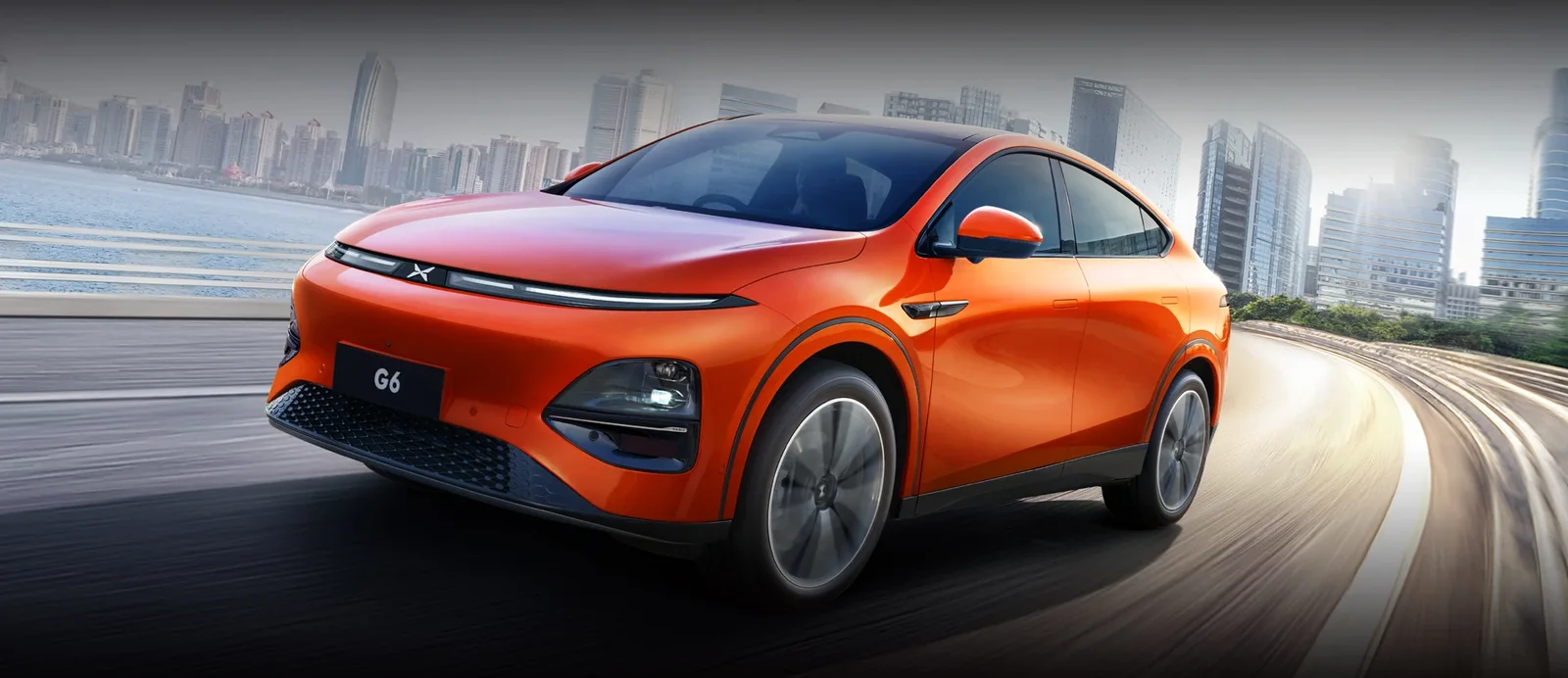
A roomy, well-equipped coupe-SUV that charges faster than nearly anything else in Nepal, held back by average range, a firm low-speed ride and touchscreen-heavy controls.
Kushal Rajbhandari
Oct 30, 2026
A roomy, well-equipped coupe-SUV that charges faster than nearly anything else in Nepal, held back by average range, a firm low-speed ride and touchscreen-heavy controls.
Kushal Rajbhandari
Oct 30, 2026
What we like
- 800V platform charges 10 to 80 percent in about 20 minutes on a fast enough DC charger, among the quickest in its class
- Five-star Euro NCAP (2024) and ANCAP ratings, seven airbags including a front-centre bag, and a full XPILOT 2.5 driver-assist suite
- 190 kW rear motor and 440 Nm give a 6.6 second 0 to 100 km/h time and easy pace on long climbs
- 571 litre boot, 1,374 litres folded, and a roomy rear seat with a flat floor and reclining backrest
- Long standard kit list: heated and ventilated front seats, heated rear seats and wheel, 18-speaker audio, panoramic roof, 360-degree camera and auto parking
- Eight-year or 160,000 km warranty on the battery and motor
What could be better
- Real-world range of roughly 350 to 380 km in mixed Nepali driving is only average for the segment
- Most public DC chargers in Nepal deliver far less than the car can accept, which blunts its charging advantage
- 20-inch wheels on low-profile tyres make the ride firm over sharp bumps and leave the rims exposed to potholes
- Many controls, including mirror adjustment, run through the touchscreen, and there is no glovebox
- Fussy driver monitoring and speed-sign alerts that misread limits
- Shallow rear window limits the view back, and there is no front boot
The XPENG G6 is a coupe-styled electric SUV that charges faster than almost anything else on sale in Nepal and carries one of the longest equipment lists in its class. It has a big boot, a roomy back seat and a five-star Euro NCAP rating. The catches are a ride that turns firm over sharp bumps at town speeds, a cabin that runs too many controls through the touchscreen, and a 66 kWh battery whose range is only average for the class.
CG Motors showed the G6 at the NADA Auto Show in 2024 and began deliveries that November from its Thapathali showroom. Nepal gets one version, the rear-wheel-drive Standard Range car, with a 66 kWh LFP battery, a 190 kW motor and a claimed 435 km on the WLTP cycle. It is the earlier G6, not the facelifted model sold in some markets since 2025, so it keeps the original cabin and battery.
It suits a family that drives long distances, values short charging stops and wants a long equipment list. Buyers who care more about range should also look at the BYD Sealion 7 and the MG IM6.
Design, interior & features
Design and exterior7.0
The G6 is low and smooth for an SUV, with a sloping roofline, flush door handles, frameless doors and a light bar that runs across the nose and splits around the X badge. At 4,753 mm long, 1,920 mm wide and 1,650 mm tall it is a big car, but the shape hides the bulk well. Nepal cars ride on 20-inch two-tone alloys with 255/45 Michelin tyres.
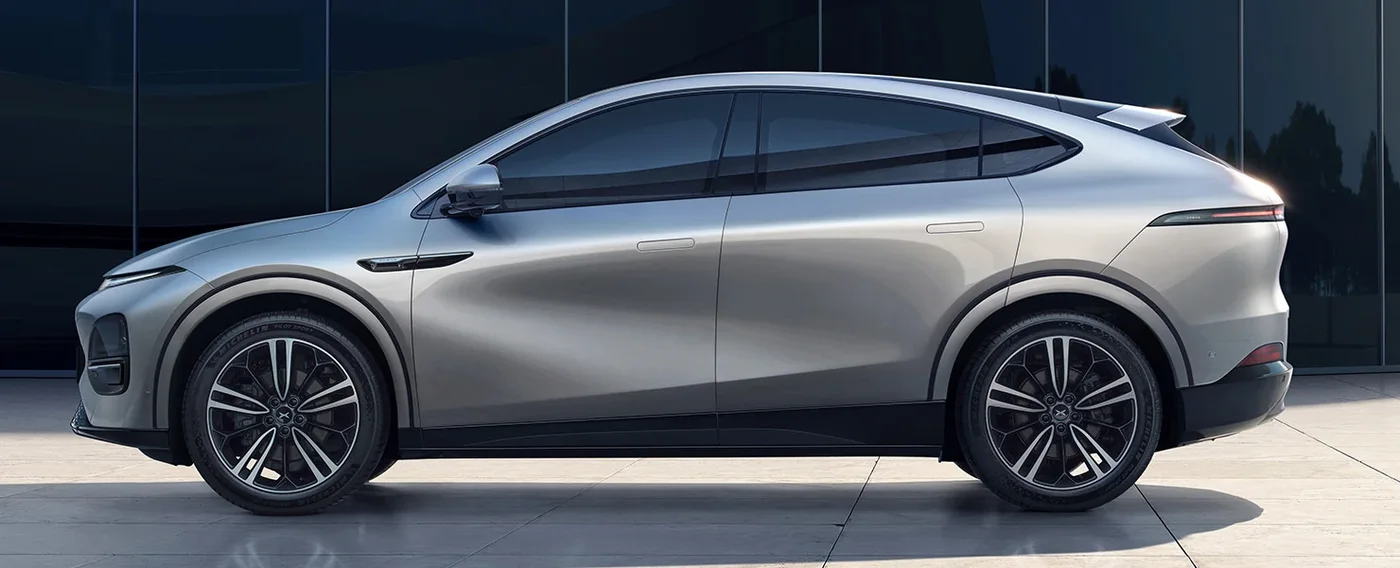
The shape costs some practicality. The rear window is shallow, so the view back is poor and you rely on the cameras when reversing. The gloss black lower trim will show Kathmandu dust quickly. Five colours are offered, and Fiery Orange suits the car best.
Interior, space and practicality7.0
The long wheelbase gives the back seat a lot of legroom over a flat floor, and headroom is fine for six-foot adults despite the roofline. The rear backrest reclines in three steps between 27 and 38.4 degrees, and the rear cushions are heated. The driver gets a 10-way powered seat with lumbar support and memory, and the passenger seat is powered too.
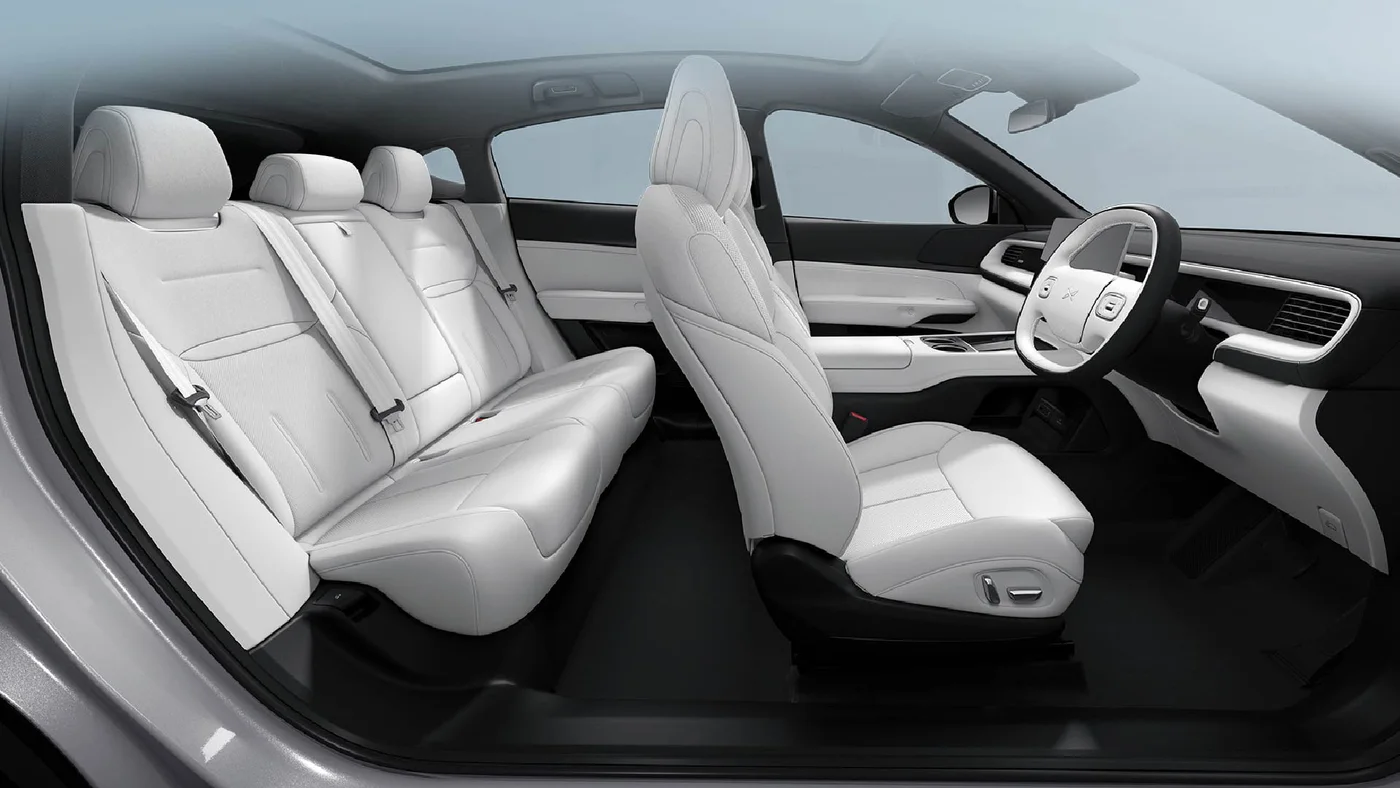
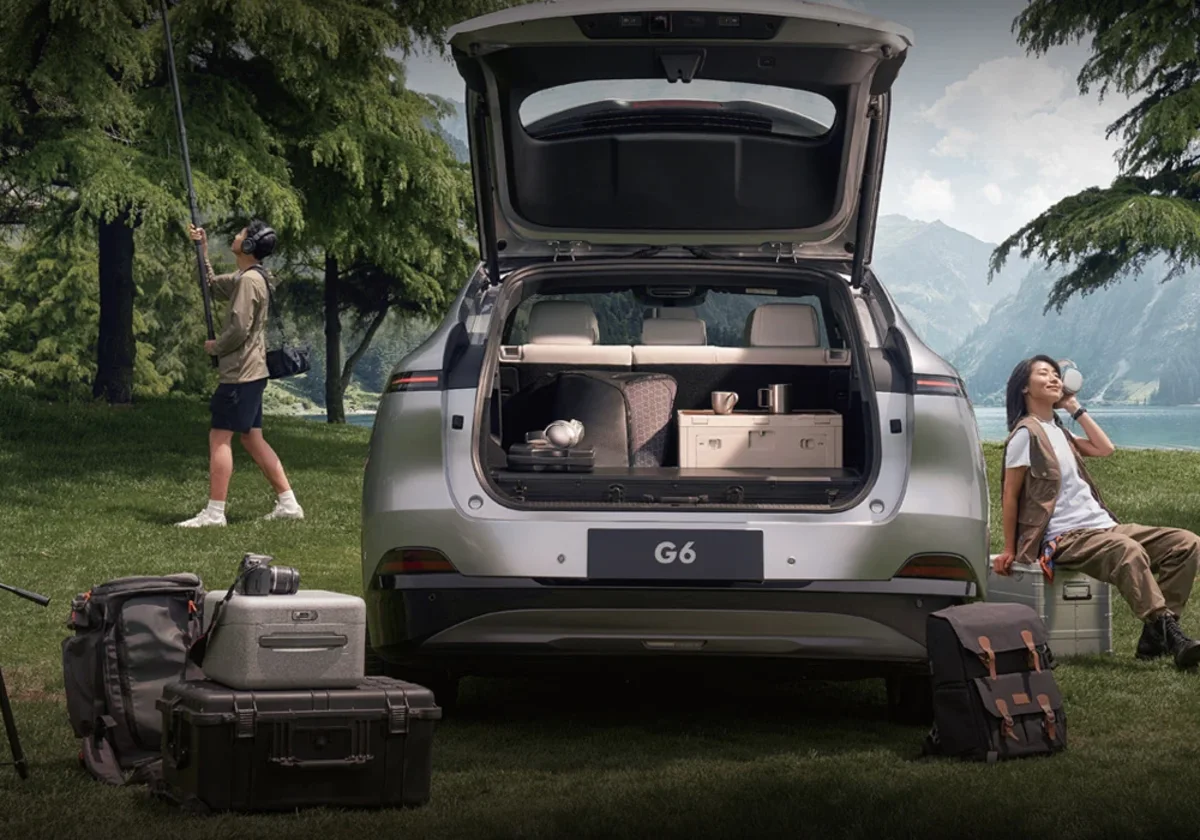
The boot holds 571 litres with the seats up and 1,374 litres folded, which is more than the Sealion 7, IONIQ 5 or Deepal S07 offer. The tailgate is powered and the 60:40 split rear seat folds. There is no front boot, though, so the charging cable has to live in the main boot.
Storage up front is weaker. There is no glovebox, only an open shelf under the floating centre console, so loose items slide around on hill roads. Material quality is good for the class, with soft surfaces where hands rest and a choice of black or grey trim.
Features and technology8.0
Standard kit includes heated and ventilated front seats, a heated steering wheel, a panoramic glass roof that blocks 99.9 percent of UV, dual-zone climate control with a PM2.5 filter, an 18-speaker 960 W sound system, two 50 W wireless phone pads, a 360-degree camera with a see-through chassis view, automatic parking and a dashcam. Apple CarPlay and Android Auto are included, and the software updates over the air.
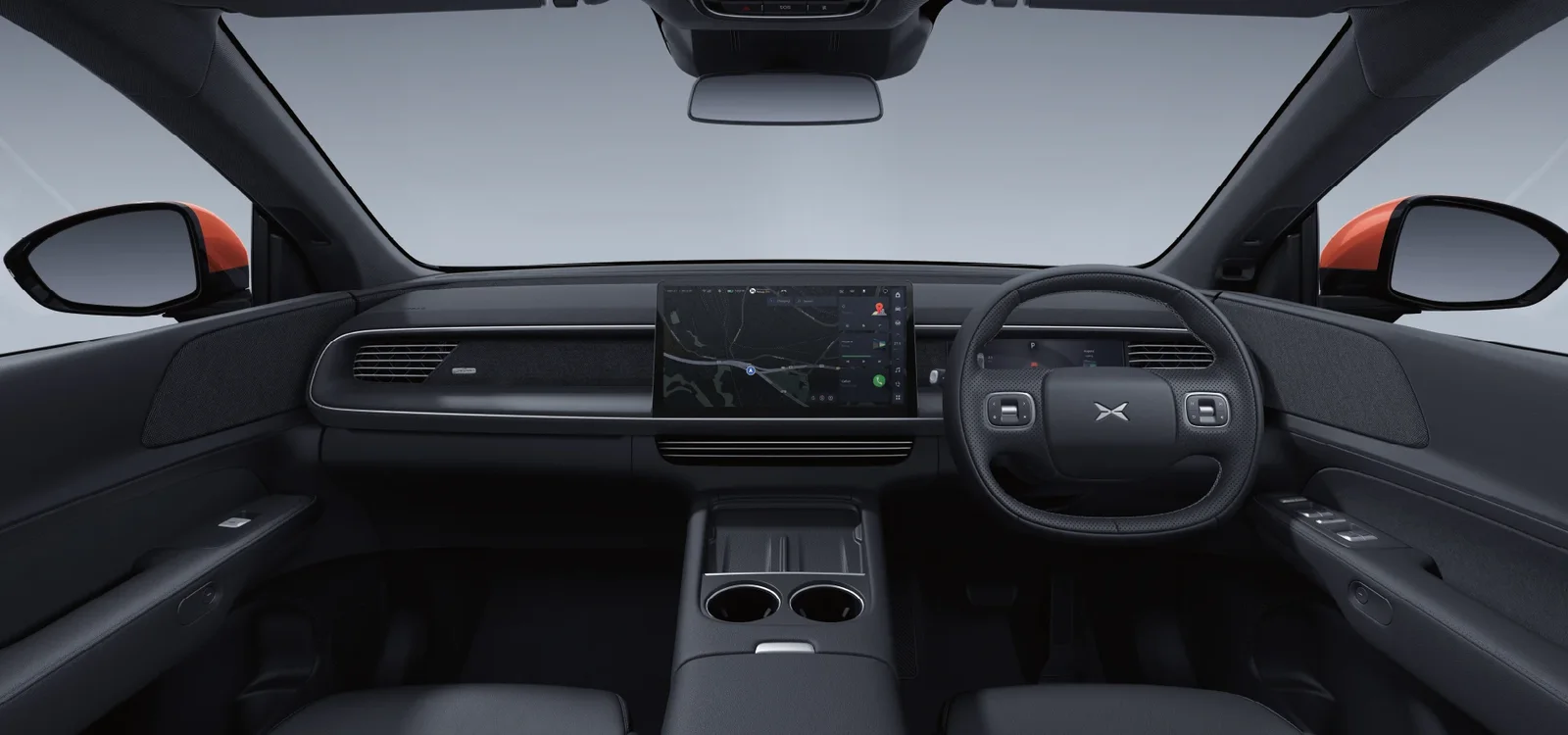
The 14.96-inch screen runs on a Snapdragon 8155 chip and responds quickly. It also controls too much. The mirrors are adjusted through the screen and the wheel buttons, most climate settings live in menus, and CarPlay can cover some controls while it runs. The "Hey XPENG" voice assistant handles many of these jobs, but it works better for some testers than for others. The phone app unlocks the car, moves it in and out of tight spaces, and parks it remotely.
Range, battery & charging
Real-world range7.0
The claimed 435 km on the WLTP cycle is achievable only in gentle, warm driving. Independent estimates for this 66 kWh car point to about 420 km in mild mixed use and about 340 km at a steady highway pace. On Nepali roads, with hills, AC and a full load, plan on roughly 350 to 380 km, which is enough for Pokhara without a stop but not for the return trip.
That puts it about level with its rivals. The Sealion 7 and MG IM6 carry bigger batteries and go further, while the IONIQ 5's smaller pack goes less far.
Battery7.0
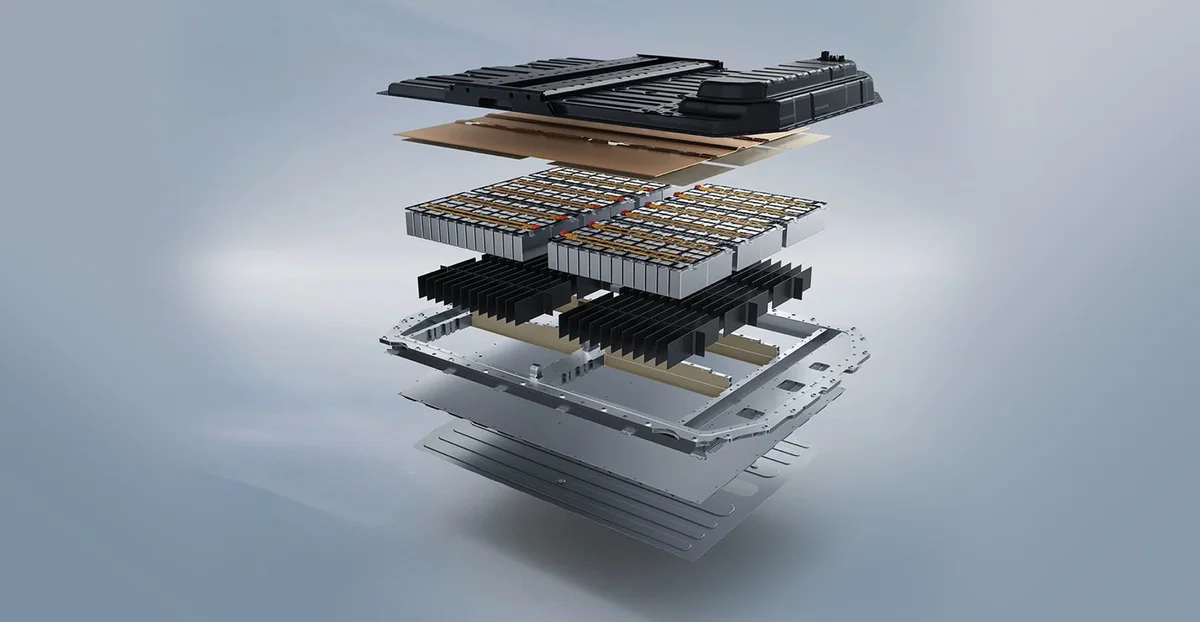
The battery is a 66 kWh lithium iron phosphate pack, of which about 65 kWh is usable. LFP chemistry tolerates daily charging to 100 percent and ages slowly. The pack sits on XPENG's 800-volt platform, which is what makes the fast charging possible. It is covered, with the motor, for eight years or 160,000 km.
- Battery
- 66 kWh LFP
- Range (WLTP)
- 435 km
- Motor
- 190 kW, 440 Nm, rear
- 0-100 km/h
- 6.6 s
- DC 10-80%
- 20 min
- AC on-board charger
- 11 kW
- Kerb weight
- 2,025 kg
Efficiency and running cost7.0
At over two tonnes on 20-inch wheels, the G6 uses about 15 to 18 kWh per 100 km in mixed driving. That is typical for a car of this size. A heat pump comes as standard and helps in winter. Running costs stay low on home charging, and servicing an EV of this kind is mostly tyres, brakes, filters and fluid. The wide 255/45 R20 tyres will cost more to replace than the smaller sizes on most rivals. The rest of the car is covered for five years or 120,000 km.
Charging8.0
Charging is the G6's best point. The claimed 10 to 80 percent time is about 20 minutes on a fast enough DC charger, and on paper the car accepts more than 200 kW. The IONIQ 5 also runs at 800 volts and is close, while the Sealion 7 and Deepal S07 take noticeably longer.
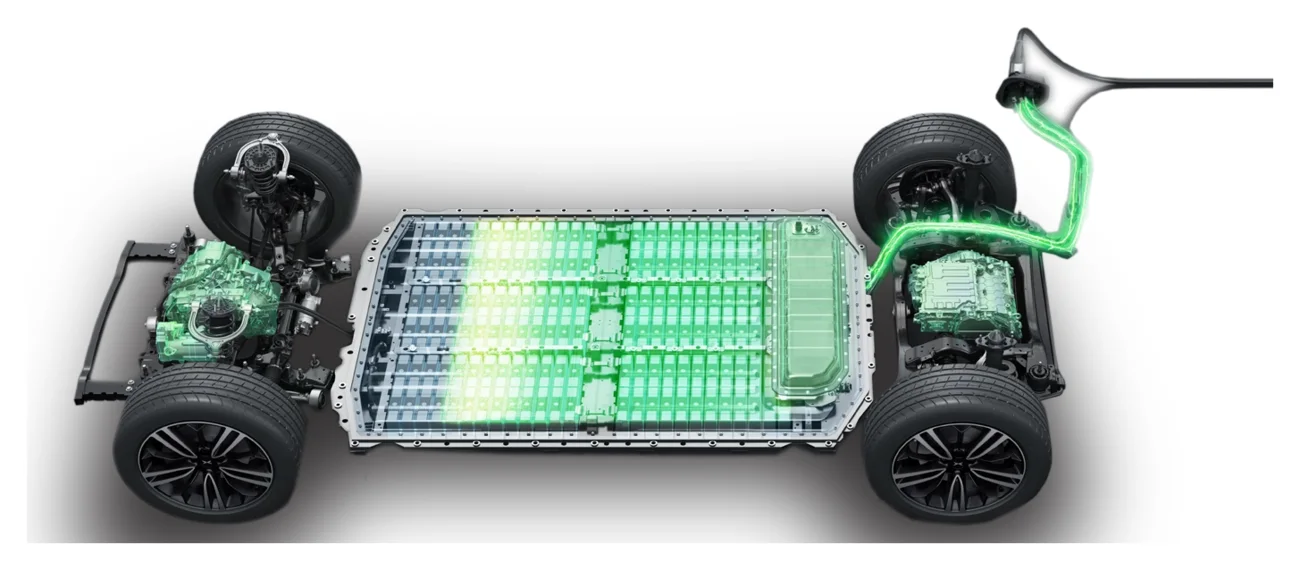
Most public DC chargers in Nepal deliver far less than the G6 can accept, so a typical session runs at the charger's limit and the time advantage shrinks. On AC, the 11 kW on-board charger fills the pack from 5 to 100 percent in about 7.5 hours on a three-phase wallbox. The car also supplies up to 3.3 kW through its vehicle-to-load outlet.
Charging availability6.0
XPENG has no charging network of its own in Nepal. Owners use the national and private CCS2 network like everyone else. A portable charging cable comes with the car, and some launch offers have bundled a home wallbox, though the bundle has varied and none has mentioned installation. The app shows the battery's charge status remotely.
Performance & driving
Performance and hill climbing8.0
With 190 kW and 440 Nm going to the rear wheels, the G6 reaches 100 km/h in 6.6 seconds and tops out at 200 km/h. The power comes in smoothly and quickly at any speed, so overtaking on a highway takes little road. The motor has plenty in hand for a car of this weight, so long climbs such as Nagdhunga should not trouble it even with five people aboard.
Regenerative braking recovers energy on the way down and takes load off the brakes, though the car creeps rather than offering a true one-pedal mode. Hill descent control is standard.
Driving experience, ride and handling7.0
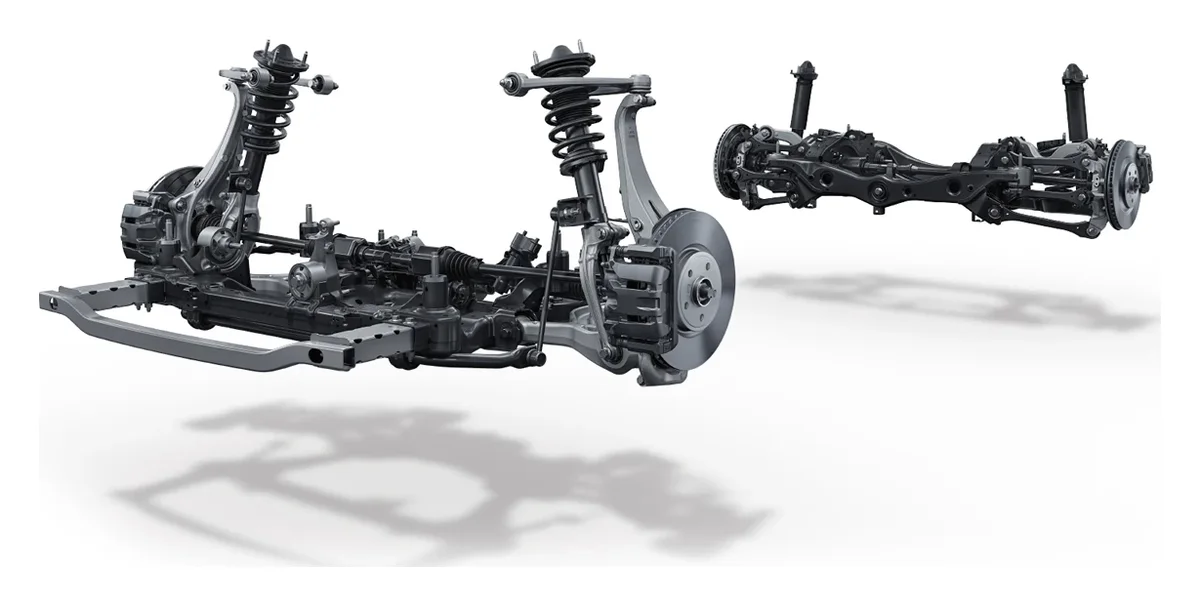
The G6 uses double wishbones up front and a multi-link rear on steel springs, with no adaptive dampers. At highway speed it rides calmly and stays quiet, and its weight sits low and evenly split, so it corners flat for a tall car. At town speeds the 20-inch wheels make it firm over sharp bumps and potholes, and some testers found it jiggly on broken surfaces. The steering is light and accurate but gives little feel.
Road tolerance7.0
The brochure quotes 190 mm of ground clearance, which is more than the IONIQ 5 or Sealion 7. The tyres are the weak point, because the low 45-profile sidewalls on 20-inch rims leave little cushion against deep potholes and sharp edges, and a pothole that a smaller-wheeled car shrugs off can damage a G6 rim. Take rough village roads slowly.
Safety & build
Safety8.0
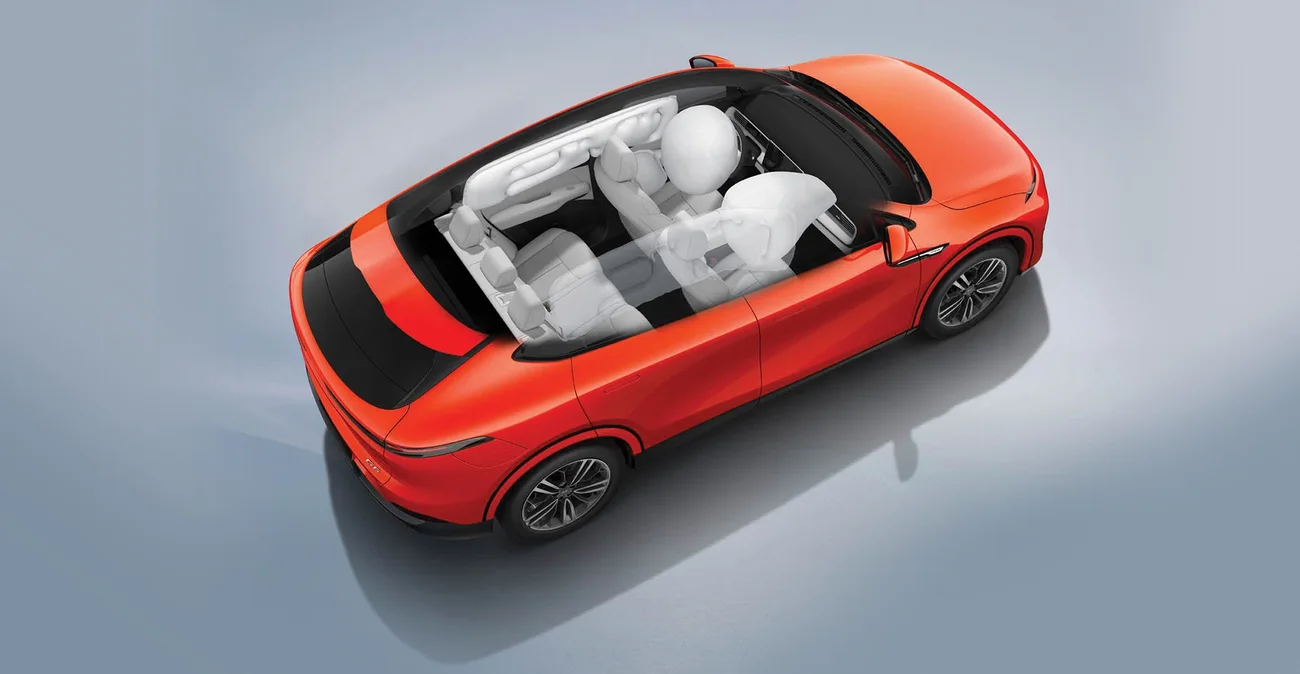
Euro NCAP gave the G6 five stars in 2024, with 88 percent for adult occupants, 85 percent for children, 81 percent for vulnerable road users and 75 percent for safety assist. ANCAP also rated it five stars. It has seven airbags, including a front-centre airbag that stops the front occupants hitting each other in a side impact.
The XPILOT 2.5 driver-assist suite runs on an NVIDIA Orin-X chip with five radars, 12 cameras and 12 ultrasonic sensors. It covers adaptive cruise with stop and go, lane centring, automatic lane changes, automatic emergency braking, blind-spot and cross-traffic alerts, and a door-opening warning. The lane keeping is gentle. The driver monitor is fussy, flagging a yawn as drowsiness, and the speed-sign reading gets limits wrong, but most warnings can be turned off from the screen.
Build quality and reliability7.0
The body uses large aluminium die-cast sections and has a high torsional stiffness of 41,600 Nm per degree. Testers rate the cabin as well put together, with no rattles reported. The battery pack is sealed and protected in layers, and the G6 has had no recall in any market so far. XPENG has only a few years of history in Nepal, so long-term reliability is still unproven.
Value & ownership
Price and value7.0
The G6 costs less than the Sealion 7 and IONIQ 5, charges faster than the Sealion 7 and about as fast as the IONIQ 5, and has a larger boot and more equipment than both. The Deepal S07 and Zeekr X cost less and the MG IM6 goes a little further, but few rivals charge as quickly or come as fully equipped. That makes it good value for the segment, especially for buyers who will use the fast charging.
After-sales and service network7.0
CG Motors runs a dedicated EV service centre at Bagdol in Lalitpur and a 24-hour roadside assistance line. Outside the valley, XPENG has dealers in Pokhara and Chitwan, and CG Motors has said it plans to add service points. CG Motors is a large group with long experience of selling and servicing cars in Nepal. XPENG itself is new here, though, so parts stocks and technician experience are still building, and buyers in the far west should check their nearest workshop before buying.
Editor's opinion7.0
We would recommend the G6 over the BYD Sealion 7 to a buyer who drives long distances and can reach a fast charger, because it charges faster, carries more luggage and costs less. The Sealion 7 goes further on a charge, and BYD's service network is bigger.
Verdict
The XPENG G6 is a spacious, well-equipped coupe-SUV, and its 800-volt charging puts it among the quickest cars in its class to top up. A family will use the big boot and the roomy rear seat, and five-star Euro NCAP and ANCAP ratings back up its safety kit. The rear motor has power to spare on long climbs. Range is only average for the segment, though, and the 20-inch wheels firm up the ride on broken roads, while too many controls sit in the touchscreen. It makes most sense for a buyer who covers long distances and can reach fast chargers along the way.
Good
A roomy, well-equipped coupe-SUV that charges faster than nearly anything else in Nepal, held back by average range, a firm low-speed ride and touchscreen-heavy controls.
Kushal Rajbhandari
Oct 30, 2026
A roomy, well-equipped coupe-SUV that charges faster than nearly anything else in Nepal, held back by average range, a firm low-speed ride and touchscreen-heavy controls.
Kushal Rajbhandari
Oct 30, 2026
FAQ
How far can the XPENG G6 go on a full charge in Nepal?
The claimed figure is 435 km on the WLTP cycle. In mixed Nepali driving with hills and AC, expect roughly 350 to 380 km, enough to reach Pokhara from Kathmandu without stopping.
How fast does the XPENG G6 charge?
It can charge from 10 to 80 percent in about 20 minutes on a DC charger powerful enough to keep up. Most public chargers in Nepal deliver less than the car can accept, so real sessions usually take longer. On an 11 kW home wallbox, a full charge takes about 7.5 hours.
Which version of the XPENG G6 is sold in Nepal?
Nepal gets one version, the rear-wheel-drive Standard Range car with a 66 kWh LFP battery and a 190 kW motor. It is the original G6, not the facelifted model sold in some markets since 2025.
Is the XPENG G6 safe?
Yes. It has a five-star Euro NCAP rating from 2024 and a five-star ANCAP rating, seven airbags including a front-centre airbag, and a full set of driver aids including automatic emergency braking and blind-spot monitoring.
How big is the XPENG G6 boot?
The boot holds 571 litres with the rear seats up and 1,374 litres with them folded. There is no front boot.
What warranty does the XPENG G6 get in Nepal?
The battery and motor are covered for eight years or 160,000 km, and the rest of the car for five years or 120,000 km, whichever comes first.
Where can I service an XPENG G6?
CG Motors has a dedicated EV service centre at Bagdol in Lalitpur and a 24-hour roadside assistance line, and XPENG has dealers in Pokhara and Chitwan. Coverage further west is thinner, so check your nearest workshop before buying.