

Leapmotor B10 review

Kushal Rajbhandari
· Oct 25, 2026
Good
A roomy, comfortable family SUV that covers around 400 km between charges in real Nepali driving, held back by touchscreen-heavy controls, pushy driver aids and a small service network.
Kushal Rajbhandari
Oct 25, 2026
A roomy, comfortable family SUV that covers around 400 km between charges in real Nepali driving, held back by touchscreen-heavy controls, pushy driver aids and a small service network.
Kushal Rajbhandari
Oct 25, 2026
What we like
- Strong safety package for the segment, with a 5-star ANCAP rating, seven airbags and a full Level 2 driver-assist suite (adaptive cruise, autonomous emergency braking, lane keep, blind spot monitoring, 360-degree camera)
- 67.1 kWh LFP battery from CATL delivers a usable claimed range near 460 km, and international testing shows it holding a little over 400 km in real driving, which is close to its rated figure
- Fast DC charging up to 168 kW means a 30 to 80 percent top-up takes roughly 20 minutes on a suitable charger
- 160 kW rear motor with 240 Nm gives relaxed, adequate performance and a 170 km/h top speed for everyday and highway use
- Comfortable, softly tuned ride with well-judged body control, which suits Nepal's uneven city roads
- Practical family boot at 430 litres, expanding to around 1475 litres with the rear seats folded, plus a small front storage area
What could be better
- Cabin uses a fair amount of hard plastic, so it feels less plush than some rivals despite the big screen
- Adaptive cruise can be hesitant, leaving large gaps and struggling on tighter corners, which reviewers flagged on winding roads
- 170 mm ground clearance is only average, so care is needed on very rough tracks, steep driveways and deep speed bumps
- Real-world range drops below the claimed figure once hills, AC and city traffic are factored in, as with any EV in Nepal
- As a newer brand in Nepal, the after-sales and charging support network is still building out compared with longer-established makers
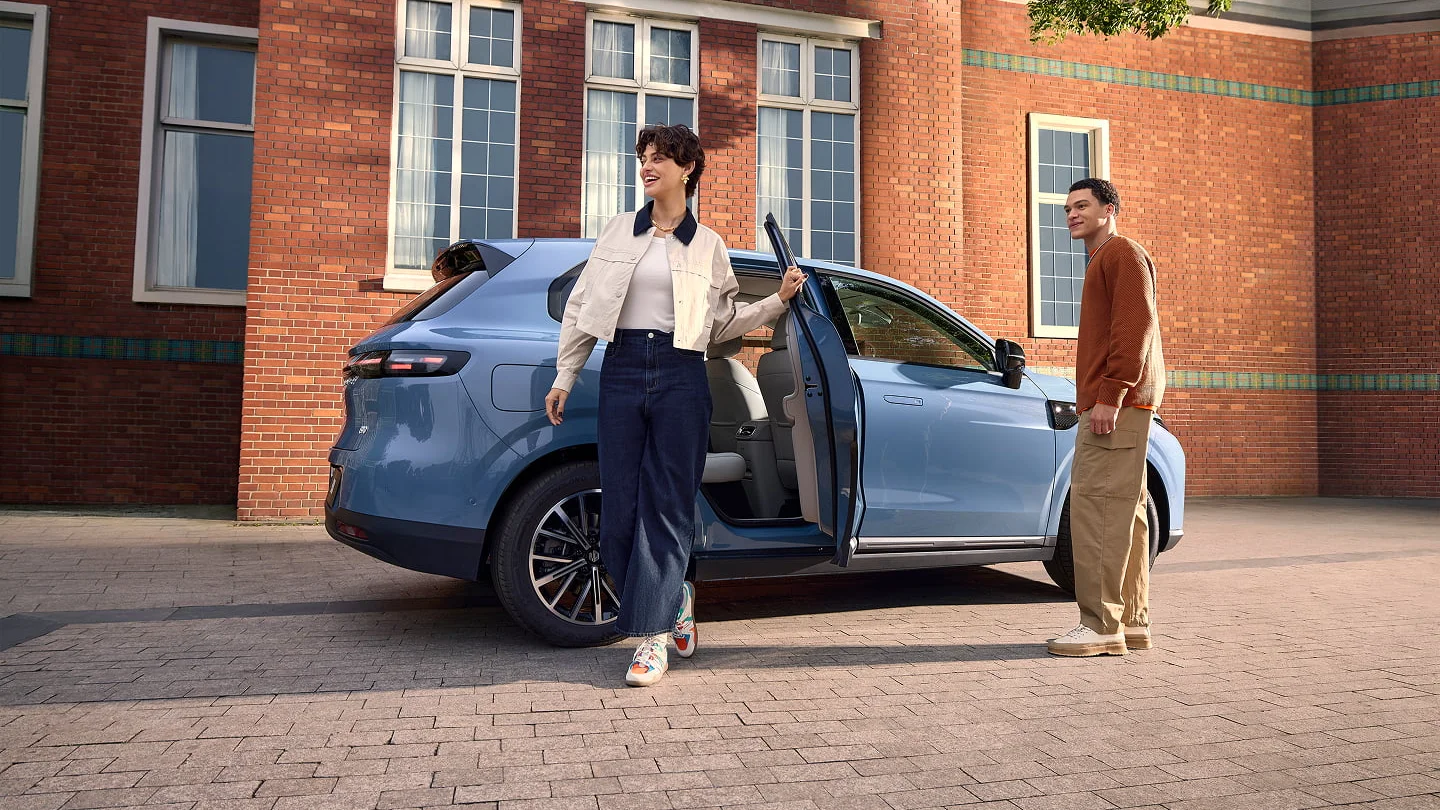
The Leapmotor B10 is a family electric SUV built around a big battery and a long wheelbase, and it goes further on a charge than anything else at its price in Nepal. It has a roomy cabin and a long equipment list, and it carries five-star crash ratings from both Euro NCAP and ANCAP. Against that, almost every control sits in the touchscreen, the driver aids switch themselves back on at every start, and the service network is still small.
Shangrila Motors showed the B10 to the press in July 2025 and launched it at the NAIMA Nepal Mobility Expo that August, at first in two versions. Nepal now gets one, the Top Variant, with a 67.1 kWh LFP battery, a 160 kW motor driving the rear wheels and a claimed 434 km on the WLTP cycle. Newer cars also gain Apple CarPlay, Android Auto and a spare wheel.
It suits a family that wants a roomy car it can drive out of the valley without planning a charging stop. Buyers who want a wider workshop network should also look at the BYD Atto 3, and those who enjoy driving at the MG S5.
Design, interior & features
Design and exterior7.0
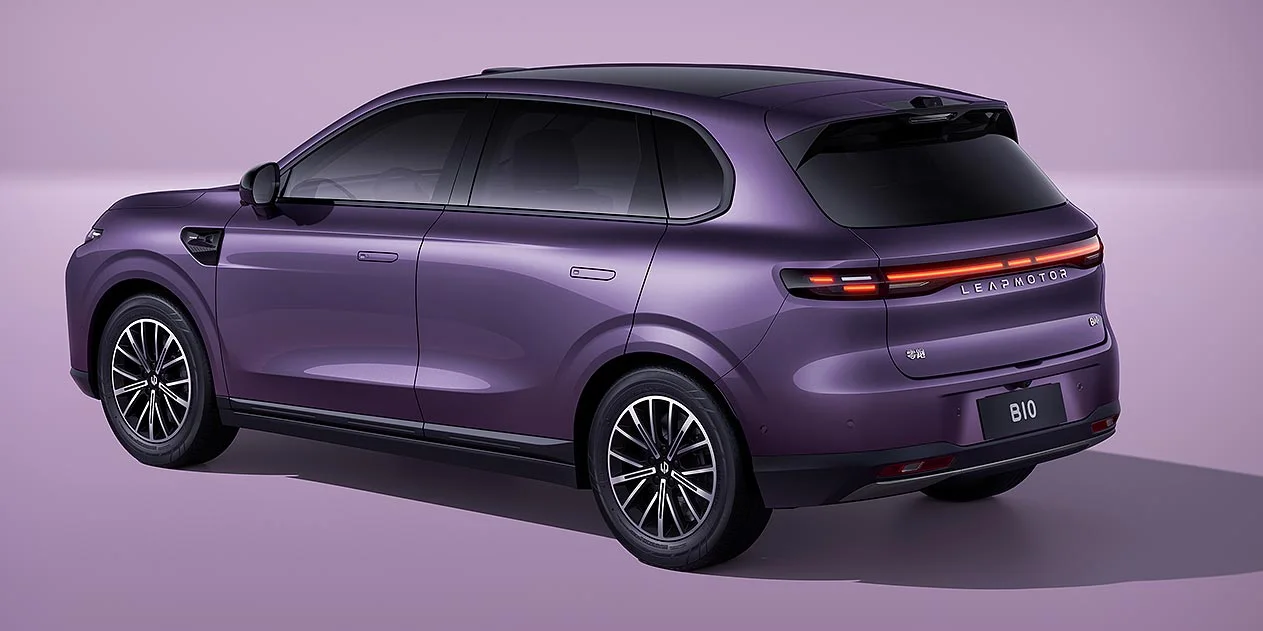
The B10 looks clean and understated. A thin light strip runs across the nose, the door handles sit flush with the body, and a full-width light bar crosses the tailgate. It looks like a smaller version of Leapmotor's C10 and will blend into an office car park, which some buyers will prefer.
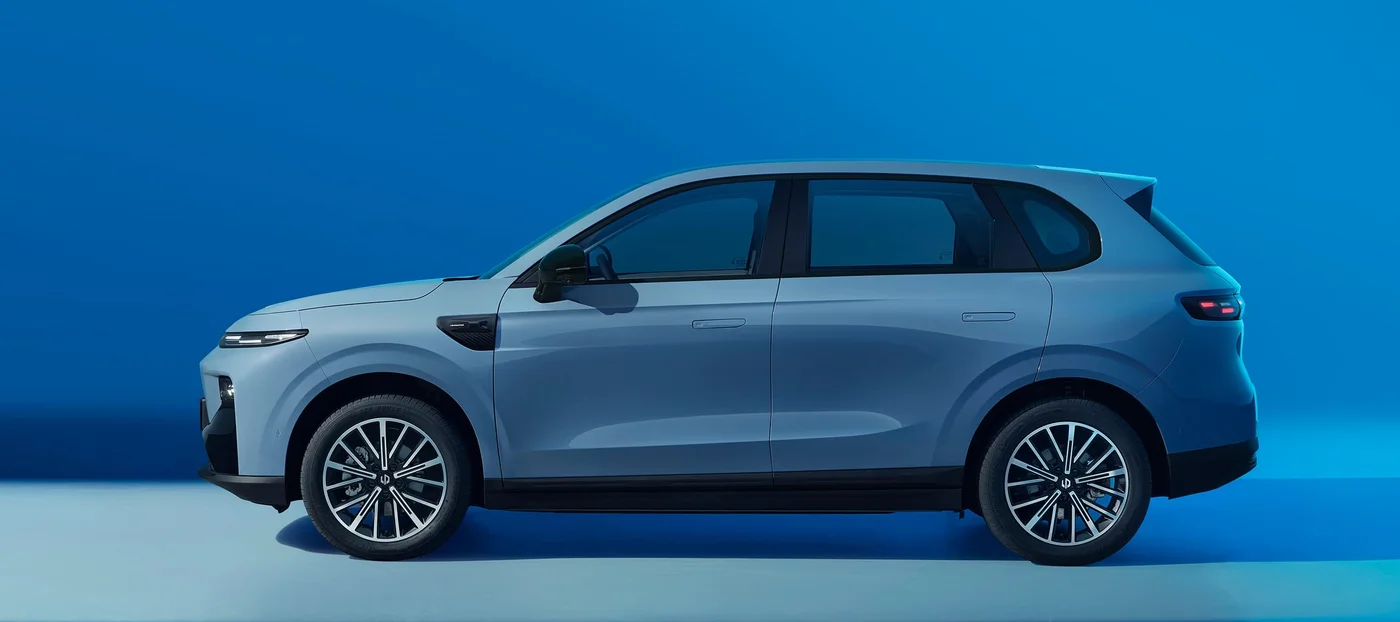
At 4,515 mm long, 1,885 mm wide and 1,655 mm tall, it is one of the larger cars in its class. The lower front bumper looks busy, the gloss black trim collects Kathmandu dust, and there is no rear wiper, which owners will miss in the monsoon. The flush handles need a firm press to pop out and feel heavy to pull.
Interior, space and practicality8.0
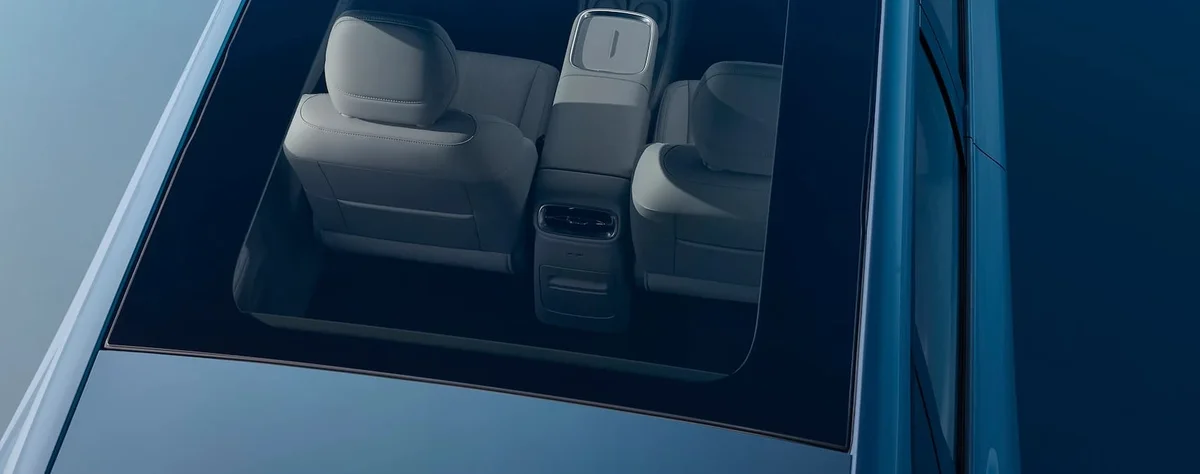
Space is the B10's strongest suit. The long wheelbase and flat floor give the back seat generous legroom and headroom, even under the glass roof, and the bench is wide enough for three adults on shorter trips. The front seats recline all the way flat, and every seat has its own headrest. Testers found the cushions comfortable on long drives.
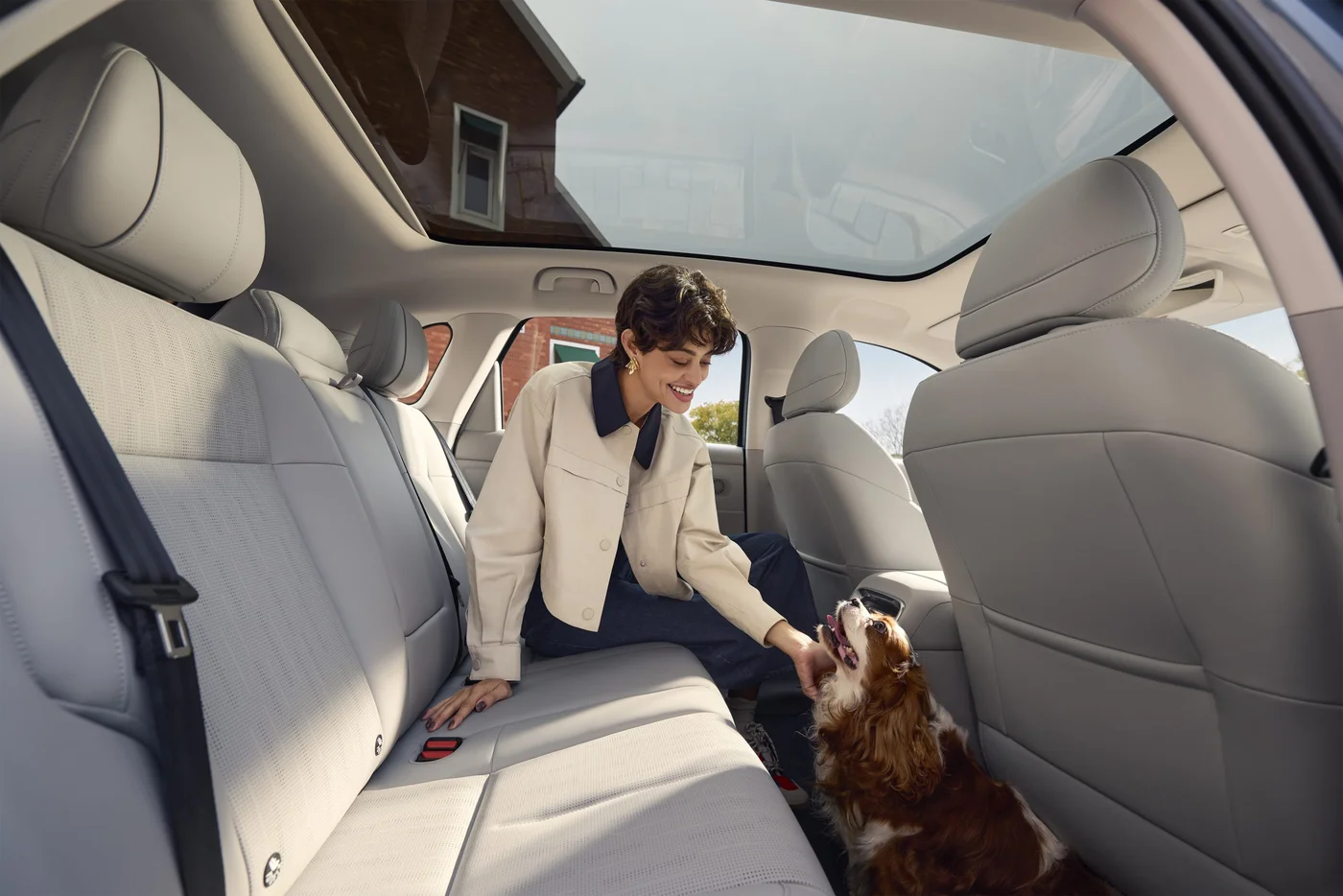
The boot holds 420 litres, or 1,300 litres with the 60:40 rear seat folded, and there is a two-level floor and a 25-litre front boot for the charging cable. The boot is smaller than the Deepal S05's, Jaecoo J5's and MG S5's, though the cabin is roomier. The powered tailgate remembers its opening height.
The seats and armrests feel good, but the dash top and door panels are hard plastic, the cupholders sit low and suit only some bottles, and there is no 12 V socket in the boot. The interior colour sits between black and white and hides dirt well.
Features and technology8.0
The equipment list is long. Standard kit includes heated and ventilated front seats, a heated steering wheel, a powered driver's seat and electrically adjusted passenger seat, 12 speakers, a fixed panoramic glass roof with a powered sunshade, a powered tailgate, rain-sensing wipers, 64-colour ambient lighting and wireless phone charging. The 360-degree camera adds a transparent-chassis view that shows the ground under the car.
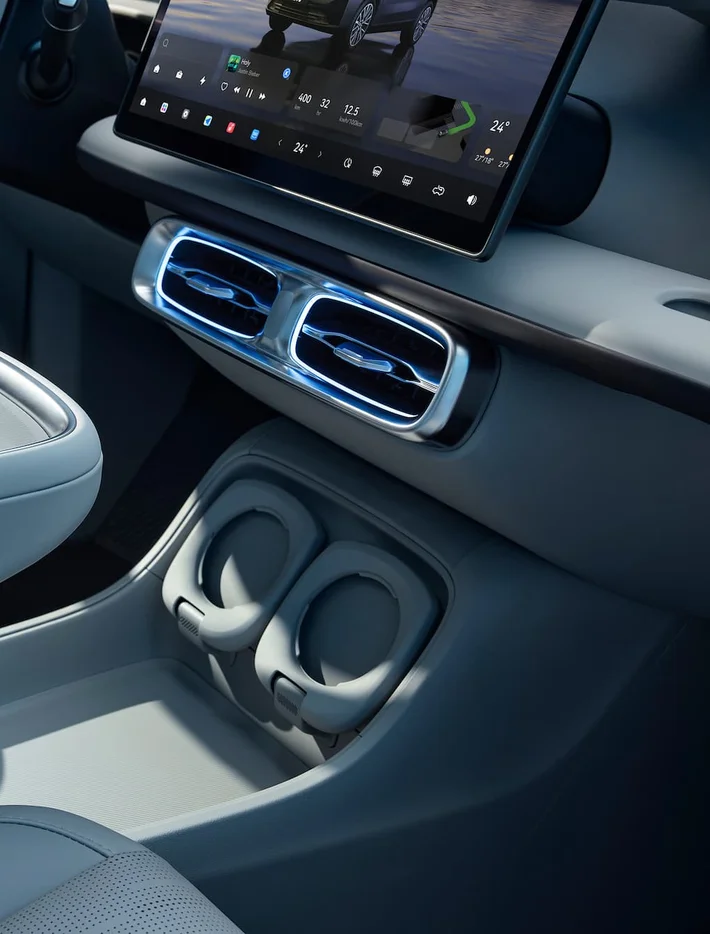
The 14.6-inch screen is sharp and quick, and the 8.8-inch driver display moves with the steering wheel so it is never blocked. Almost everything else lives in the screen, including the climate controls, mirror adjustment, regen level and steering weight. The car has no key: you unlock it with a phone or an NFC card and start it by placing either on the charging pad. That pad has no cooling, and phones get very hot on it. The 12 speakers sound clear but lack bass, and testers found the low-beam headlights dim on dark roads.
Range, battery & charging
Real-world range8.0
The B10 goes further than its rivals in real Nepali driving. On a same-day run from Kathmandu to Pokhara and back with two people aboard, one test car covered about 400 km on a single charge and reached Bhimdhunga with 6 percent left, its trip computer showing about 12.9 kWh per 100 km over the hills. The outbound 197 km to Pokhara used 42 percent of the battery.
In Kathmandu traffic with the AC on, another tester used 10 percent of the battery for 43 km, which projects to 430 km or more. One owner reports 360 to 370 km from full down to 20 percent in mixed use. Overseas testers recorded 12.7 to 15 kWh per 100 km. Expect around 400 km on most routines, and a little less on a winter highway or with a full load.
Battery8.0
The 67.1 kWh lithium iron phosphate pack is the largest in the class. It is built into the floor as part of the body structure, which keeps the centre of gravity low. LFP cells tolerate charging to 100 percent every day. The battery is covered for eight years or 150,000 km.
- Battery
- 67.1 kWh LFP
- Range (WLTP)
- 434 km
- Motor
- 160 kW, 240 Nm, rear
- DC peak
- 168 kW
- DC 30-80%
- 34 min
- AC on-board charger
- 11 kW
- Kerb weight
- 1,845 kg
Efficiency and running cost7.0
Its official WLTP figure is 17.3 kWh per 100 km. On Nepali tests the trip computer showed far less, about 10 kWh per 100 km in city traffic and about 13 on the hilly run to Pokhara, but the battery percentage used on those same drives works out nearer 15 to 16 kWh per 100 km. That is about average for a family SUV of this size, so the long range comes mainly from the big battery.
The vehicle warranty, including the motor and electronics, runs for four years or 100,000 km. That is shorter than BYD's, and Shangrila sells extended cover for up to three more years. One owner says spare parts are expensive.
Charging6.0
DC charging peaks at 168 kW, but the Nepal spec sheet quotes 34 minutes for a 30 to 80 percent top-up, slower than the Deepal S05 and Leapmotor's own B03X claim. One overseas tester took 40 minutes to go from 10 to 90 percent on a 75 kW charger, which is a fair guide to Nepal's faster public units. The 11 kW on-board charger is a strength. It fills the battery from empty in about eight hours on a suitable wallbox, and the bigger pack means fewer stops in the first place. A vehicle-to-load function can power appliances through an adapter bought separately.
Charging availability6.0
Leapmotor and Shangrila do not run a DC charging network, so owners rely on NEA and private chargers. The Pokhara showroom has its own charger, and the car's range means many owners will only need public chargers on longer trips. BYD's network covers far more routes.
Performance & driving
Performance and hill climbing7.0
The 160 kW motor is the most powerful in the class, and Leapmotor claims 0 to 100 km/h in 8 seconds. Testers find it effortless at speed, though its acceleration is ordinary. With 240 Nm, it pulls less hard from a standstill than the Deepal S05, but it overtakes easily at highway speeds and pulled strongly up the hills even in Comfort mode. Driving the rear wheels means it does not spin its tyres pulling away on loose or wet surfaces.
It handled the hills between Kathmandu and Pokhara easily, including the climb to Bhimdhunga at the end of a 400 km day. Regen has three levels plus a one-pedal mode, and hill-descent control and hill hold are standard. The brakes are strong, with a claimed 100 to 0 km/h stopping distance of 38 metres or less.
Driving experience, ride and handling7.0
The ride is the B10's best driving trait. It stays composed over patched roads, speed breakers and short unpaved sections, and Nepali testers rate the suspension highly. The weight sits evenly front to rear, so the car feels balanced and stable at speed.
The body leans in faster corners, and the light steering suits town driving but says little about grip, whichever of its three weights you choose. The economy tyres are noisy and give up grip early, and Leapmotor has started fitting better ones on some markets' cars. The MG S5 is the more engaging drive.
Road tolerance7.0
The B10 has 180 mm of ground clearance, which is about average for the class, but the long 2,735 mm wheelbase means it can ground out on sharp crests and steep driveway lips. On Nepal cars the area under the rear motor is covered, and the suspension handles broken roads well. Rear-wheel drive helps on loose climbs, and the spare wheel on newer cars matters on remote roads.
Safety & build
Safety9.0
The B10 scored five stars from Euro NCAP in 2025 and from ANCAP in early 2026. It has seven airbags, including a centre airbag between the front seats, along with stability control, rollover mitigation and a long driver-assist list. That list covers adaptive cruise, lane centring, autonomous emergency braking, blind-spot detection, rear cross-traffic braking, emergency lane keeping and driver-distraction monitoring.
In Kathmandu traffic the driver aids are hard work. Lane keeping tugs at the wheel, the forward collision system brakes sharply when something cuts in ahead, and every setting returns to default each time the car starts. A steering-wheel shortcut can call up a saved profile, which helps.
Build quality and reliability7.0
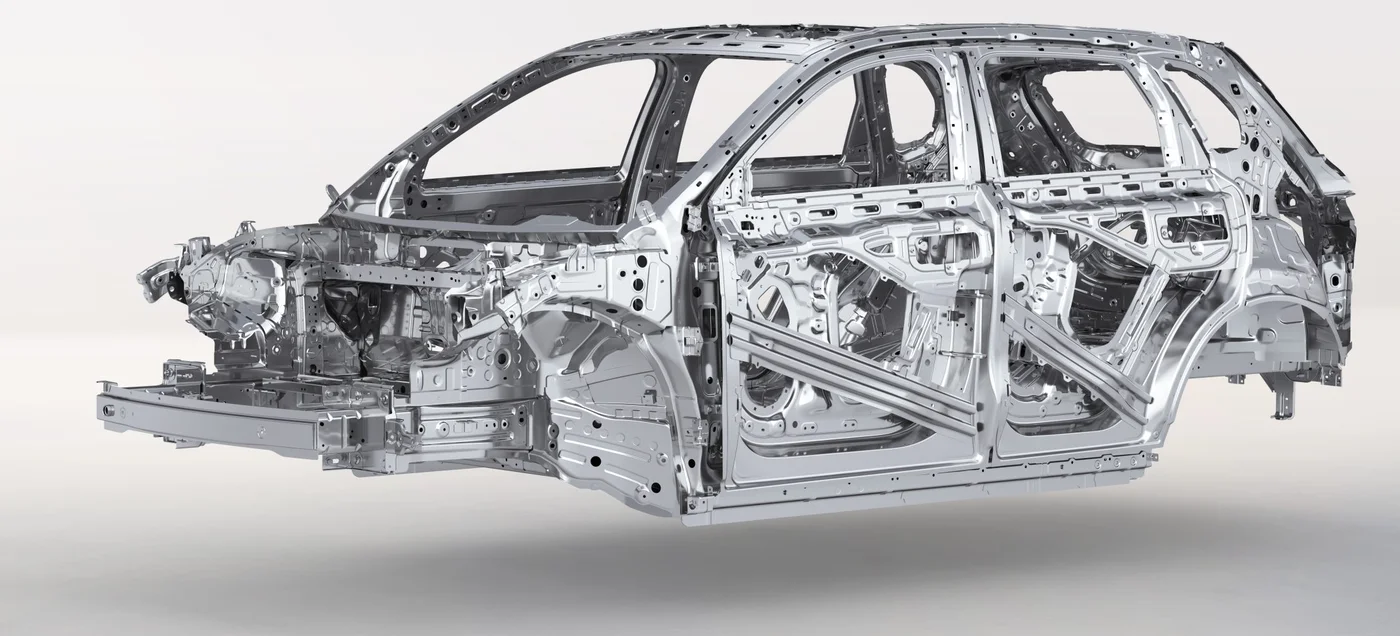
The B10 feels solidly put together, with a stiff body and heavy doors, and overseas testers rate its build above the C10's. One owner had a seat-ventilation fault fixed under warranty, but there are no wider fault reports. The model is still new in Nepal, so there is no long-term record yet.
Value & ownership
Price and value7.0
After its mid-2026 price cut, the B10 gives you a lot for the money: the biggest battery and most powerful motor in the class, heated and ventilated seats, 12 speakers, a powered tailgate and five-star crash ratings. The Deepal S05 and Jaecoo J5 cost about the same or less and are better known, and the B10 has a shorter vehicle warranty and fewer workshops.
After-sales and service network6.0
Shangrila runs the main Leapmotor service centre at Sitapaila in the valley, and its Pokhara showroom also has a workshop and a charger. A dealer in Bharatpur handles servicing, and a site in Bhaktapur is planned. Owners describe the staff as helpful, but spare parts are expensive and there are few Leapmotors on Nepali roads, so experience with long-term repairs is thin. BYD and MG reach far more towns.
Editor's opinion8.0
The B10 is the car in its class to buy for range. Its big battery makes Kathmandu to Pokhara and back on one charge realistic, and it has more space and more airbags than the Deepal S05. The S05 charges faster, has a better charging network and pulls harder off the line. For a family that drives out of the valley often and can live with a small service network, we would pick the B10.
Verdict
The Leapmotor B10 pairs a 67.1 kWh battery with a 160 kW rear motor, and in real Nepali driving that means around 400 km between charges, even over the hills to Pokhara and back. It is roomy, rides well on broken roads and comes with heated and ventilated seats, a 360-degree camera and five-star ratings from Euro NCAP and ANCAP. Day to day, the screen-based controls and driver aids that reset at every start wear thin, and phones overheat on the charging pad. DC charging is slower than its peak figure suggests, and the service network is still small. Buyers who care more about range and space than a big-brand badge will find little else in the class that goes as far.
Good
A roomy, comfortable family SUV that covers around 400 km between charges in real Nepali driving, held back by touchscreen-heavy controls, pushy driver aids and a small service network.
Kushal Rajbhandari
Oct 25, 2026
A roomy, comfortable family SUV that covers around 400 km between charges in real Nepali driving, held back by touchscreen-heavy controls, pushy driver aids and a small service network.
Kushal Rajbhandari
Oct 25, 2026
FAQ
How much real-world range does the Leapmotor B10 get in Nepal?
The claim is 434 km on the WLTP cycle. One test car drove Kathmandu to Pokhara and back, about 400 km, on a single charge, and city tests project 430 km or more. Around 400 km is a fair figure for mixed use.
How long does the B10 take to charge?
It accepts up to 168 kW on DC, and Leapmotor quotes 34 minutes for a 30 to 80 percent top-up. The 11 kW on-board charger fills the battery from empty in about eight hours on a suitable wallbox.
Does the Leapmotor B10 have Apple CarPlay and Android Auto?
Current cars have Apple CarPlay and Android Auto. Earlier cars launched without them, so check before buying a used one.
Is the B10 safe?
It has five-star ratings from Euro NCAP (2025) and ANCAP (2026), seven airbags including a centre airbag, and a full set of driver aids such as autonomous emergency braking and blind-spot detection.
What warranty does the Leapmotor B10 come with?
The battery is covered for eight years or 150,000 km, and the rest of the car, including the motor, for four years or 100,000 km. Extended cover for up to three more years is available.
Is the Leapmotor B10 front-wheel drive?
No. Its single 160 kW motor drives the rear wheels, which helps traction when pulling away on loose or wet roads.
Where can I service a Leapmotor B10 in Nepal?
Shangrila Motors services Leapmotors at Sitapaila in Kathmandu and at its Pokhara showroom, and a dealer in Bharatpur also handles servicing.