

Deepal Nevo Q05 review

Kushal Rajbhandari
· Oct 6, 2026
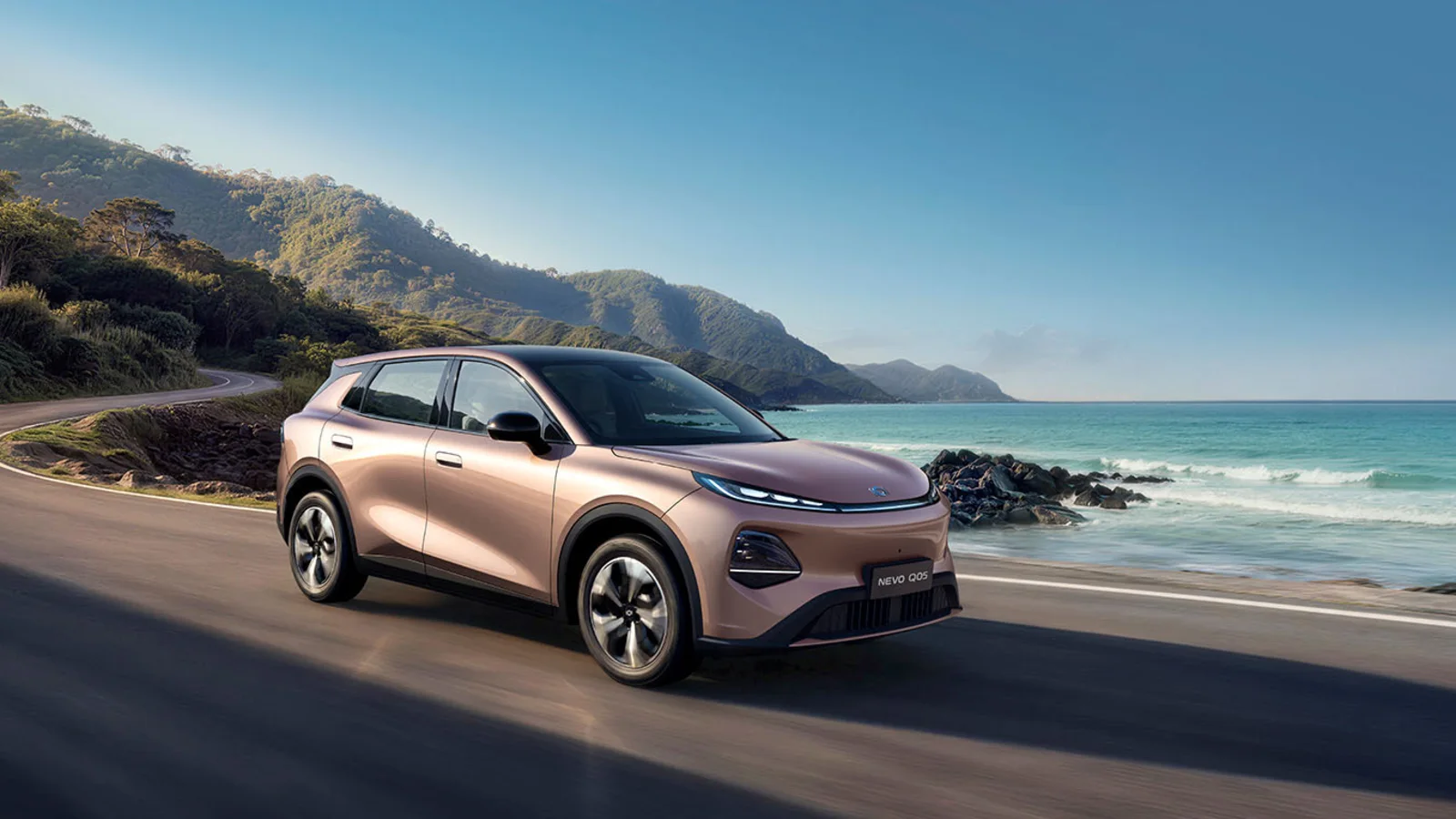
Good
A roomy, well-finished compact electric SUV with the highest charging peak in its class, held back by vague steering, no curtain airbags on the Max and no crash rating yet.
Kushal Rajbhandari
Oct 6, 2026
A roomy, well-finished compact electric SUV with the highest charging peak in its class, held back by vague steering, no curtain airbags on the Max and no crash rating yet.
Kushal Rajbhandari
Oct 6, 2026
What we like
- Up to 162 kW DC charging, with a claimed 30 to 80 percent in 15 minutes
- Roomy rear seat with a reclining backrest on a 2,735 mm wheelbase
- Adaptive cruise, lane centering, AEB and a 540-degree camera on both trims
- Soft-touch, well-finished cabin with microfibre leather seats
- Distributor's own MAW DC charging network covers more than 50 towns
- Ultra adds six airbags, a panoramic roof, ventilated front seats and V2L
What could be better
- Vague, light steering and some body float at highway speed
- Max has four airbags and no blind-spot or rear cross-traffic alerts
- No independent crash-test rating yet
- Touch-only climate controls and no built-in navigation
- Tyre repair kit instead of a spare wheel
- Workshop coverage outside the Kathmandu valley is still thin
The Deepal Nevo Q05 is a compact electric SUV with the highest DC charging peak at its money and a rear seat that feels a size up, in a well-finished cabin. Against that, the steering is vague, the Max trim goes without curtain airbags and there is no crash-test result yet.
Changan Nepal showed it at the NADA Auto Show in August 2026 and sells it in two trims, Max and Ultra. Both use the same 51.9 kWh LFP battery and a 120 kW front motor, so the split comes down to equipment: the Ultra adds curtain airbags, a fuller driver-assist suite, a panoramic roof, ventilated seats and V2L. Unlike the Nepal-market Deepal S05, the Q05 keeps its full overseas power.
It suits a family that mostly drives in and around the valley, wants rear-seat space and a quiet, modern cabin, and values short charging stops on longer trips. Buyers who drive hard on twisting highways, or who want a long local track record, should look harder at the rivals.
Design, interior & features
Design and exterior7.0
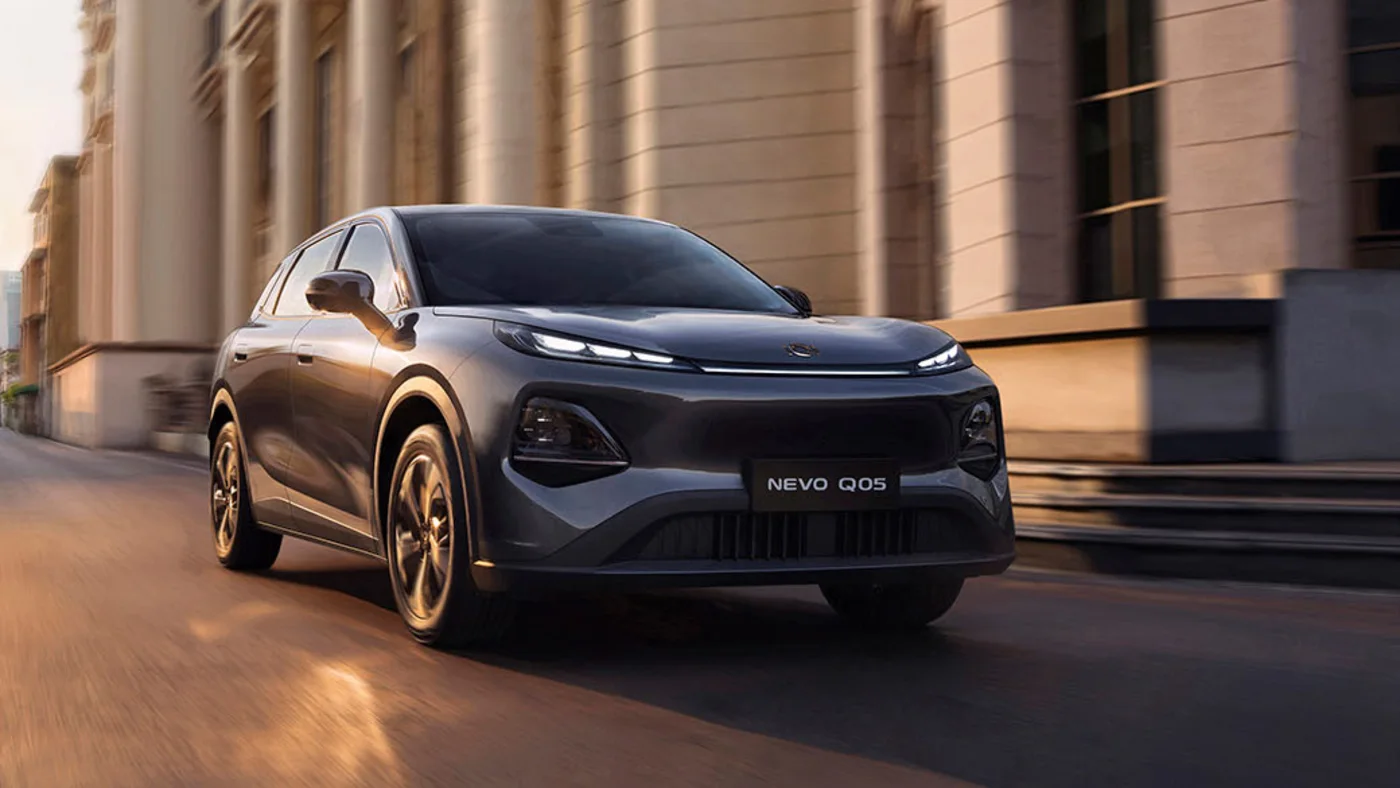
The Q05 has smooth surfaces and flush door handles. At 4,435 mm long, 1,855 mm wide and 1,600 mm tall, it sits in the same footprint as most compact electric SUVs, and its sloping roofline gives it a crossover look.
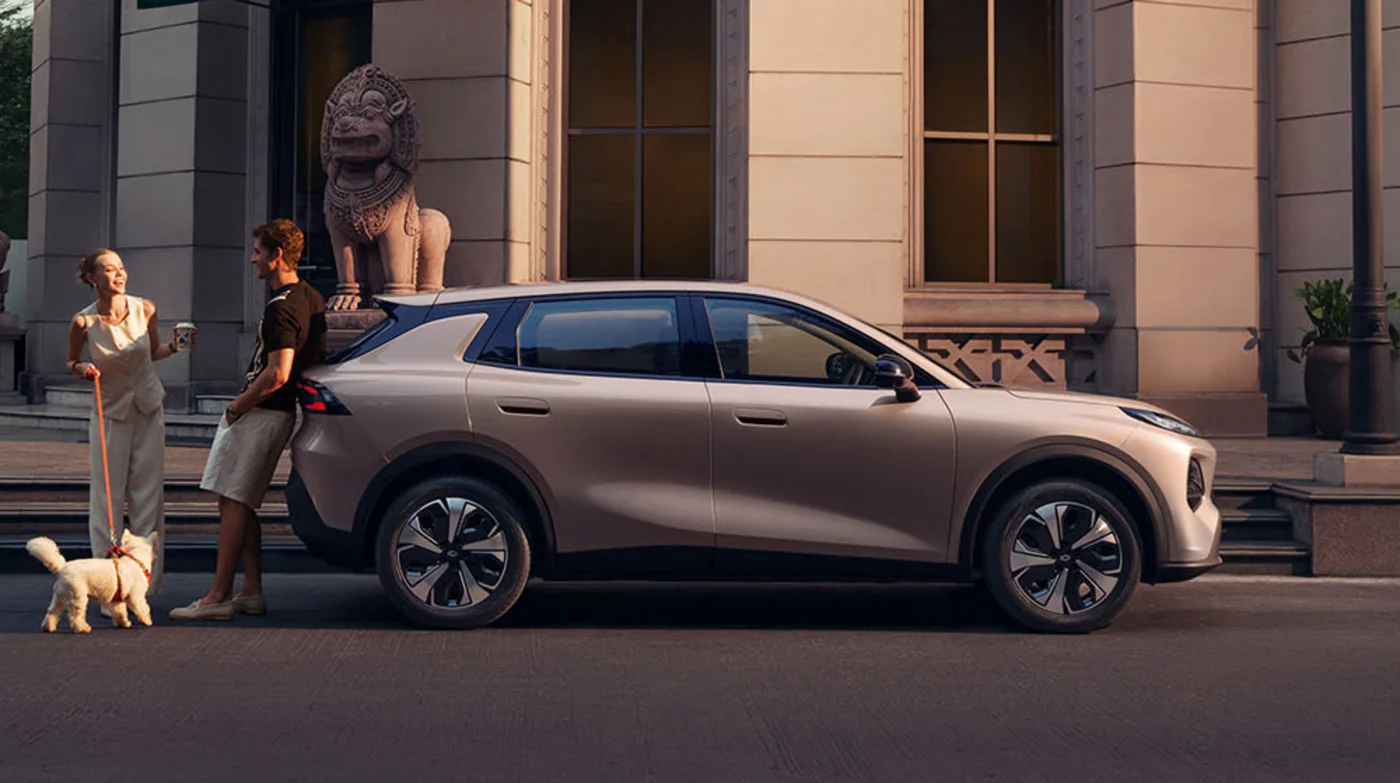
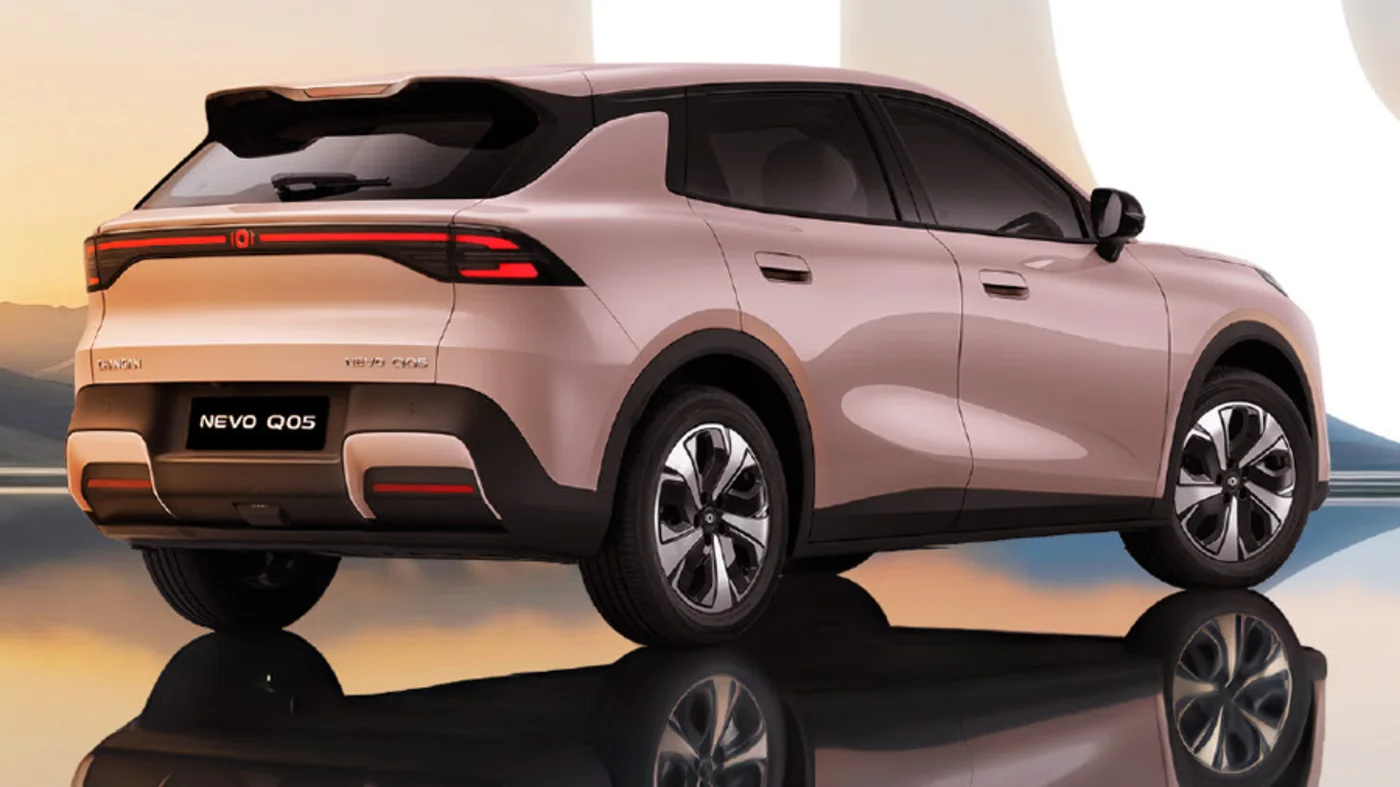
At the back, the tail lamp runs across the full width of the tailgate on both trims. The Ultra adds a matching light strip at the front and 18-inch wheels in place of the Max's 17s. It is a tidy, modern shape, though the Deepal S05 has more presence.
Interior, space and practicality8.0
Rear-seat space is the Q05's best feature. The 2,735 mm wheelbase is long for its length, the floor is flat and the rear backrest reclines to two positions, so tall adults sit comfortably. There is no rear armrest and no rear cupholders, and the recline strap is awkward to reach. Rear air vents are fitted on both trims.

Up front, most surfaces are soft to the touch, with contrast stitching and microfibre leather on both trims. Some testers found the seat cushions on the firm side. The boot holds 450 litres, plus a 90-litre well under the floor, and 1,380 litres with the 60:40 rear seats folded. It is a usable family boot, though not the biggest in the segment. The Ultra gets a powered tailgate.
Features and technology7.0
Both trims share a 14.6-inch touchscreen, a 10.17-inch driver display, wireless Apple CarPlay and Android Auto, over-the-air updates, app control and a smart key. A 540-degree camera with a transparent-chassis view and a built-in dashcam are standard. The screen is quick and logical, and the driver display sits high where it is easy to read.
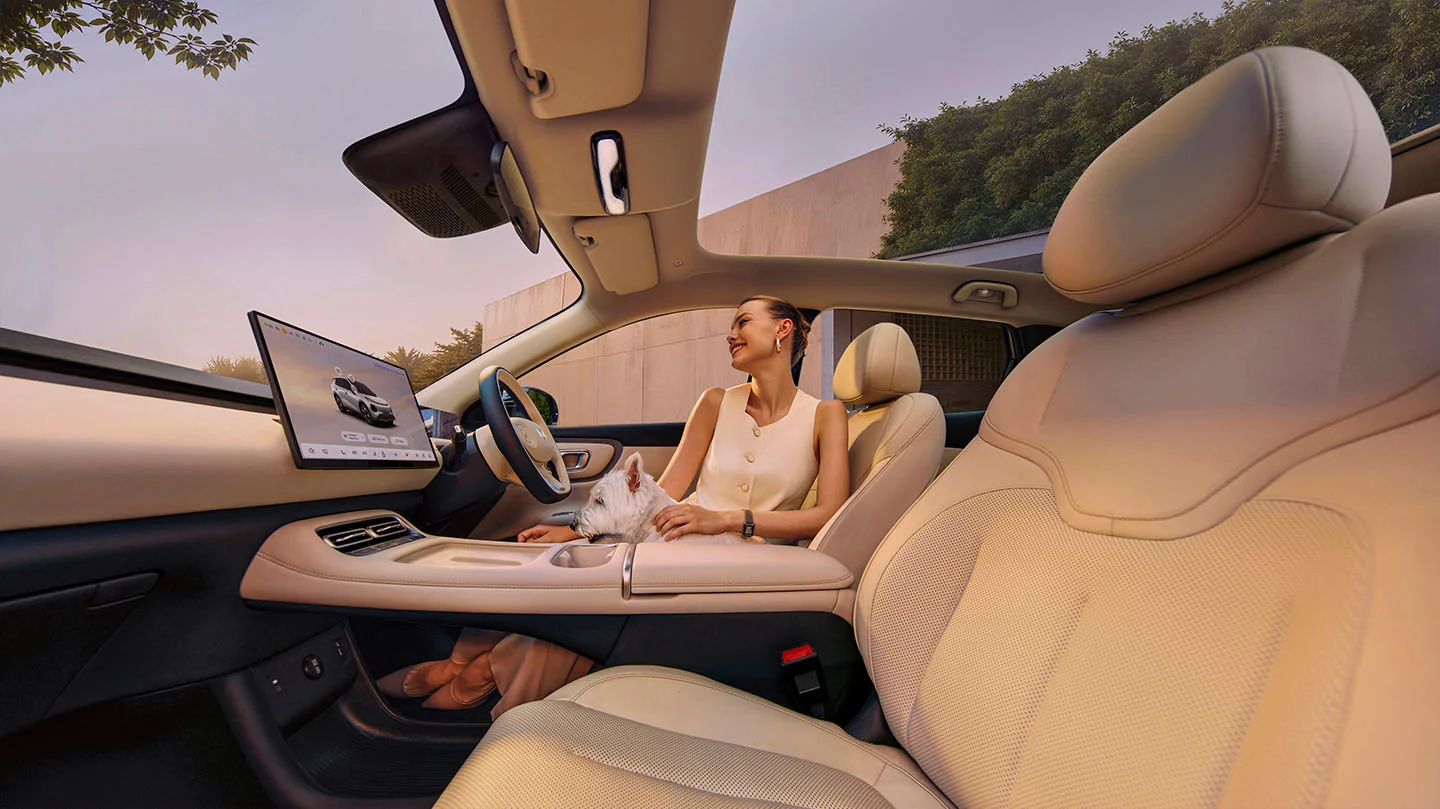
The climate controls are touch-only, and the screen sits low enough that you look down to follow a map. There is no built-in navigation, so you rely on a phone. The voice assistant handles windows, the roof blind and the air conditioning in English, but not Nepali. The Ultra adds ventilated front seats, an electric passenger seat, a 50 W wireless charger, eight speakers in place of four, 256-colour ambient lighting and the panoramic glass roof with an electric blind. Testers in hot markets report that the roof lets in heat even with the blind closed.
Range, battery & charging
Real-world range7.0
The claimed range is 462 km on the NEDC cycle, which flatters every car. Testers in Thailand, which gets the same specification, report roughly 360 to 380 km from a charge at a steady 80 to 100 km/h with the air conditioning running. In Kathmandu traffic with moderate climbing, expect around 330 to 400 km, close to the segment average and a little short of the Deepal S05, which has a bigger battery.
Battery7.0
Both trims use a 51.9 kWh lithium iron phosphate pack with CATL cells. LFP chemistry handles daily charging to 100 percent well and is less prone to thermal runaway. The drawback is that there is no larger pack on offer, so buyers who want more range than the Max cannot get it by moving up to the Ultra.
- Battery
- 51.9 kWh LFP
- Range (NEDC)
- 462 km
- DC peak
- 162 kW
- Airbags
- 4
- Wheels
- 17-inch
- V2L
- No
- Battery
- 51.9 kWh LFP
- Range (NEDC)
- 462 km
- DC peak
- 162 kW
- Airbags
- 6
- Wheels
- 18-inch
- V2L
- Yes
Efficiency and running cost8.0
Testers have recorded between about 11 and 16 kWh per 100 km, depending on speed. Gentle mixed driving lands near the bottom of that range, and fast highway runs with the air conditioning on land near the top. Those are efficient figures for a car of this size, and they keep home-charging costs low. Changan Nepal advertises an eight-year, 240,000 km battery warranty and an eight-year, 150,000 km motor warranty for its Deepal range. Distributor MAW also quotes a five-year, 150,000 km vehicle warranty. An optional plan stretches the battery and motor cover to eleven years, but only if the car stays insured with the partner insurer. Regenerative braking is adjustable in steps, and the middle settings suit daily driving.
Charging8.0
The Q05 accepts up to 162 kW on DC, and the claimed 30 to 80 percent top-up takes 15 minutes. Only the Deepal S05 makes the same 15-minute claim at this money, and tests overseas back the Q05's figure up, with 60 to 90 percent arriving in about 13 minutes. On AC it takes 6.6 kW, enough for a full charge overnight from a home wallbox. Most DC units in Nepal deliver 60 kW or less, though, so in practice a 30 to 80 percent stop takes closer to half an hour.
Charging availability8.0
The distributor's parent group, MAW, runs its own network of 40 and 60 kW DC chargers in more than 50 towns, including Pokhara, Chitwan, Butwal, Biratnagar, Nepalgunj and Jomsom. Owners get access through the group's app. Few brands can match that reach. A home charger is not confirmed as standard and has depended on dealer promotions.
Performance & driving
Performance and hill climbing7.0
With 120 kW and 190 Nm through the front wheels, the Q05 reaches 100 km/h in a claimed 8.2 seconds, quicker than the detuned Nepal-market Deepal S05. It pulls smoothly from a standstill and has enough in reserve for highway overtakes. Small throttle inputs can feel a little jerky in traffic.
No tester has yet taken it up a long Nepali climb. The torque figure is modest, so with five people aboard expect it to climb steadily but without much in reserve on roads such as the Nagdhunga or Mugling stretches. Regen at its higher settings slows the car firmly on descents, and hill descent control is standard. A hill-heavy day will use noticeably more of the pack than flat driving.
Driving experience, ride and handling6.0
The ride favours comfort. It absorbs broken patches and expansion joints well and never feels harsh, though it floats and leans at higher speeds on undulating roads. The cabin is quiet in town, and wind noise picks up above about 100 km/h.
The steering is the main complaint. It has a lot of play around the centre, stays vague even in its heavier setting and goes light at speed, so the car needs small corrections on the highway. The lane-centering system can also get confused on faded or missing lane markings, which are common here. The Deepal S05 and BYD Atto 2 both feel more settled.
Road tolerance6.0
Changan Nepal does not publish a ground-clearance figure, and quoted numbers range from 170 to 185 mm. On short local test drives in Kathmandu, it cleared rough sections without scraping, and the soft suspension copes well with potholes. The transparent-chassis camera helps you place the front wheels over speed breakers. The rear uses a simple torsion-beam axle, and the car comes with a tyre repair kit, not a spare wheel. On remote roads, a torn sidewall can leave you stranded.
Safety & build
Safety6.0
There is no Euro NCAP, ANCAP or C-NCAP result for the Q05, and ratings for other Deepal models do not carry over. Both trims get ABS, stability control, a 540-degree camera, hill hold, hill descent control, ISOFIX mounts, tyre-pressure monitoring and a driver-assist suite with adaptive cruise, lane centering, traffic jam assist, automatic emergency braking and lane-keeping.
The Max has four airbags, front and front side. The Ultra adds curtain airbags for six, and also gets blind-spot detection, rear cross-traffic alert and braking, lane-change assist, emergency lane keeping, safe-exit warning and auto high beam. Without a crash rating, the Max sits behind rivals that have six airbags as standard.
Build quality and reliability7.0
The cabin feels solidly assembled, and the materials hold up well against more established brands. The model is new, and Changan's Nevo line has only been on sale in Nepal since August 2026, so there is no local record on durability yet. No recalls have been reported. Over-the-air updates on both trims should let the software improve with time.
Value & ownership
Price and value8.0
The Max sits between the two cheaper BYD Atto 2 trims, and the Ultra sits level with the top Atto 2. For that money the Q05 has the highest charging peak in the segment, more rear-seat space than most rivals and adaptive cruise on both trims. The Max gives up curtain airbags and several driver aids, so the Ultra is the better-rounded car, but the Max is still well equipped for its price bracket.
After-sales and service network6.0
MAW Vriddhi runs a nine-bay EV workshop at Balkumari in Lalitpur, with EV-trained technicians and a parts store, plus a second facility at Basundhara and a 24-hour helpline. Outside the valley it has service in Pokhara and Chitwan and a showroom in Butwal, with further sites at Birgunj, Biratnagar and Birtamod. Coverage reaches the main cities but leaves long gaps elsewhere. The group's record on EV parts supply is still short.
Editor's opinion7.0
The Q05 is a sensible pick for a family that wants space and fast charging, and the Ultra in particular is generously equipped for its money. Against the BYD Atto 2, though, it gives up steering precision, six airbags on the cheaper trim and a wider service network outside the valley. We would test-drive both, and lean to the Q05 only if rear-seat space and charging speed matter most.
Verdict
The Deepal Nevo Q05 has the highest DC charging peak in its class and more rear legroom than its 4.4-metre length suggests, in a cabin finished to a high standard. Range is around the segment average, and efficiency is good for its size. The Ultra adds the curtain airbags and driver aids that the Max goes without. The weak points show on the open road, where the steering is vague, the body floats at speed and the lane assist struggles on poorly marked roads. There is also no crash-test rating and no spare wheel, and the service network outside the valley is still filling in. For families who drive mostly in town and want space and quick top-ups, it belongs on the shortlist.
Good
A roomy, well-finished compact electric SUV with the highest charging peak in its class, held back by vague steering, no curtain airbags on the Max and no crash rating yet.
Kushal Rajbhandari
Oct 6, 2026
A roomy, well-finished compact electric SUV with the highest charging peak in its class, held back by vague steering, no curtain airbags on the Max and no crash rating yet.
Kushal Rajbhandari
Oct 6, 2026
FAQ
How much real-world range does the Deepal Nevo Q05 get?
The claim is 462 km on the NEDC cycle. Testers in markets with the same specification see about 360 to 380 km at a steady 80 to 100 km/h, and in mixed Nepali driving around 330 to 400 km is a fair expectation.
What is the difference between the Max and Ultra trims?
Both share the 51.9 kWh battery, 120 kW motor and 162 kW DC charging. The Ultra adds curtain airbags for six in total, blind-spot and rear cross-traffic alerts, a panoramic roof, ventilated front seats, a powered tailgate, V2L, a wireless charger, eight speakers and 18-inch wheels.
How fast does the Nevo Q05 charge?
It accepts up to 162 kW on DC, with a claimed 30 to 80 percent charge in 15 minutes. Most Nepali DC chargers deliver 60 kW or less, where the same top-up takes about half an hour. On a 6.6 kW home charger, a full charge takes roughly eight to nine hours.
Is the Nevo Q05 detuned for Nepal like the Deepal S05?
No. The Nepal Q05 keeps its full 120 kW and claims 0 to 100 km/h in 8.2 seconds.
Does the Nevo Q05 have a crash-test rating?
Not yet. Neither the Q05 nor its Chinese twin has been tested by Euro NCAP, ANCAP or C-NCAP. The Max has four airbags and the Ultra has six.
Does the Nevo Q05 come with a spare wheel?
No. It comes with a tyre repair kit, which is worth keeping in mind for trips on remote roads.
Where can the Nevo Q05 be serviced outside Kathmandu?
MAW Vriddhi has service in Pokhara and Chitwan, with further sites at Birgunj, Biratnagar and Birtamod. Its own DC charging network reaches more than 50 towns.