

Arcfox T1 review

Kushal Rajbhandari
· Nov 2, 2026
Okay
A roomy crossover with a big boot and a larger battery than most entry-level EVs, held back by a modest motor, four airbags and a brand still building its service network.
Kushal Rajbhandari
Nov 2, 2026
A roomy crossover with a big boot and a larger battery than most entry-level EVs, held back by a modest motor, four airbags and a brand still building its service network.
Kushal Rajbhandari
Nov 2, 2026
What we like
- Rear legroom well beyond its class, thanks to a 2,770 mm wheelbase
- 459-litre boot, 1,352 litres with the rear seats folded
- 42.4 kWh LFP battery, 310 km WLTP and around 255 km at a steady 100 km/h
- 30 to 80 percent DC charge in about 25 minutes
- 15.6-inch touchscreen with Apple CarPlay on both trims
- LV3 adds Level 2 driver assist, a 360-degree camera and ventilated seats
What could be better
- Four airbags and no independent crash-test rating
- 70 kW motor strains when overtaking with a full load
- Firm ride over sharp bumps and speed breakers
- Hard cabin plastics, no glovebox and no Android Auto
- New brand with no confirmed workshop outside Kathmandu
- LV2 misses the driver assists and sits lower at 167 mm
The Arcfox T1 gives you more car than anything else at the bottom of Nepal's EV market. It is longer than its rivals, the rear seat has proper room for adults, the boot is big and the motor is stronger than you get in the cheapest small EVs. In return you take a brand that has only just arrived, a thin service network, four airbags and an ordinary drive.
Arcfox is the upmarket electric brand of China's BAIC Group, and the T1 is its smallest model and the first one sold here. It is a front-wheel-drive crossover with a 42.4 kWh LFP battery, a 70 kW motor and a claimed 310 kilometres on the WLTP cycle. Two trims are offered, LV2 and LV3, and they share the battery, motor and the big 15.6-inch touchscreen. The LV3 adds leatherette upholstery, ventilated front seats, 18-inch wheels, a 360-degree camera with an underbody view and a Level 2 driver-assist package.
It makes sense for a family that wants the space of a bigger car and mostly drives in and around the valley. If you live far from Kathmandu, or want the reassurance of a long local track record, the established brands are the safer choice.
Design, interior & features
Design and exterior7.0
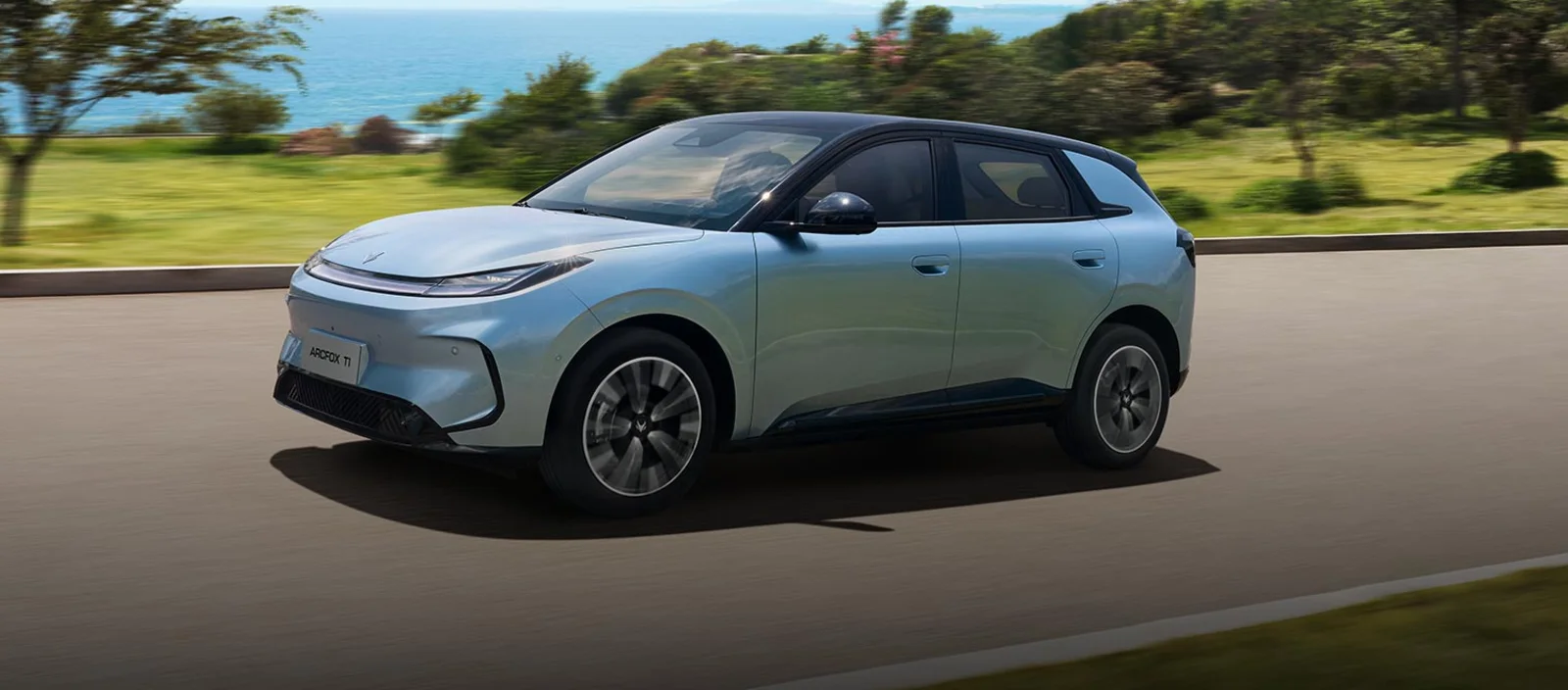
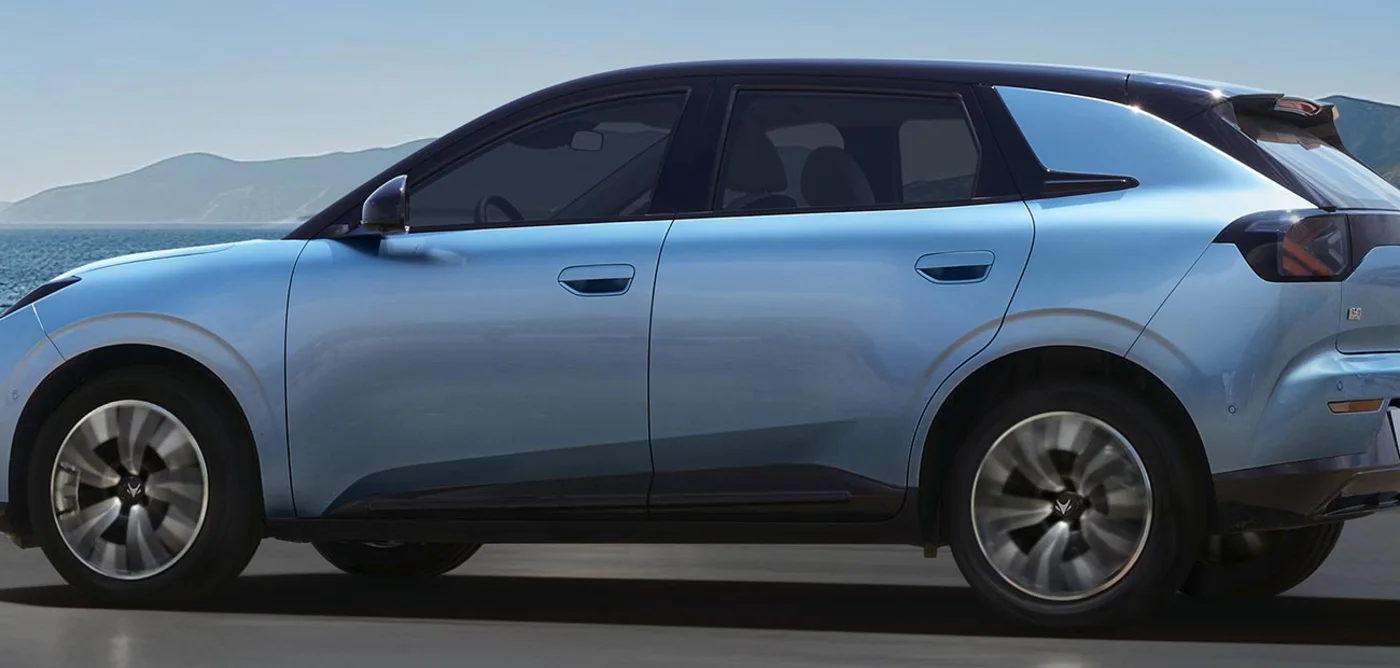
The T1 looks like nothing else in its class. A thin light bar runs across the sealed nose, the bonnet slopes low, and the doors have semi-hidden handles. In the right colour it looks more expensive than it is. The blue and lilac paints suit it best, and Arcfox also offers green, grey, white and silver.
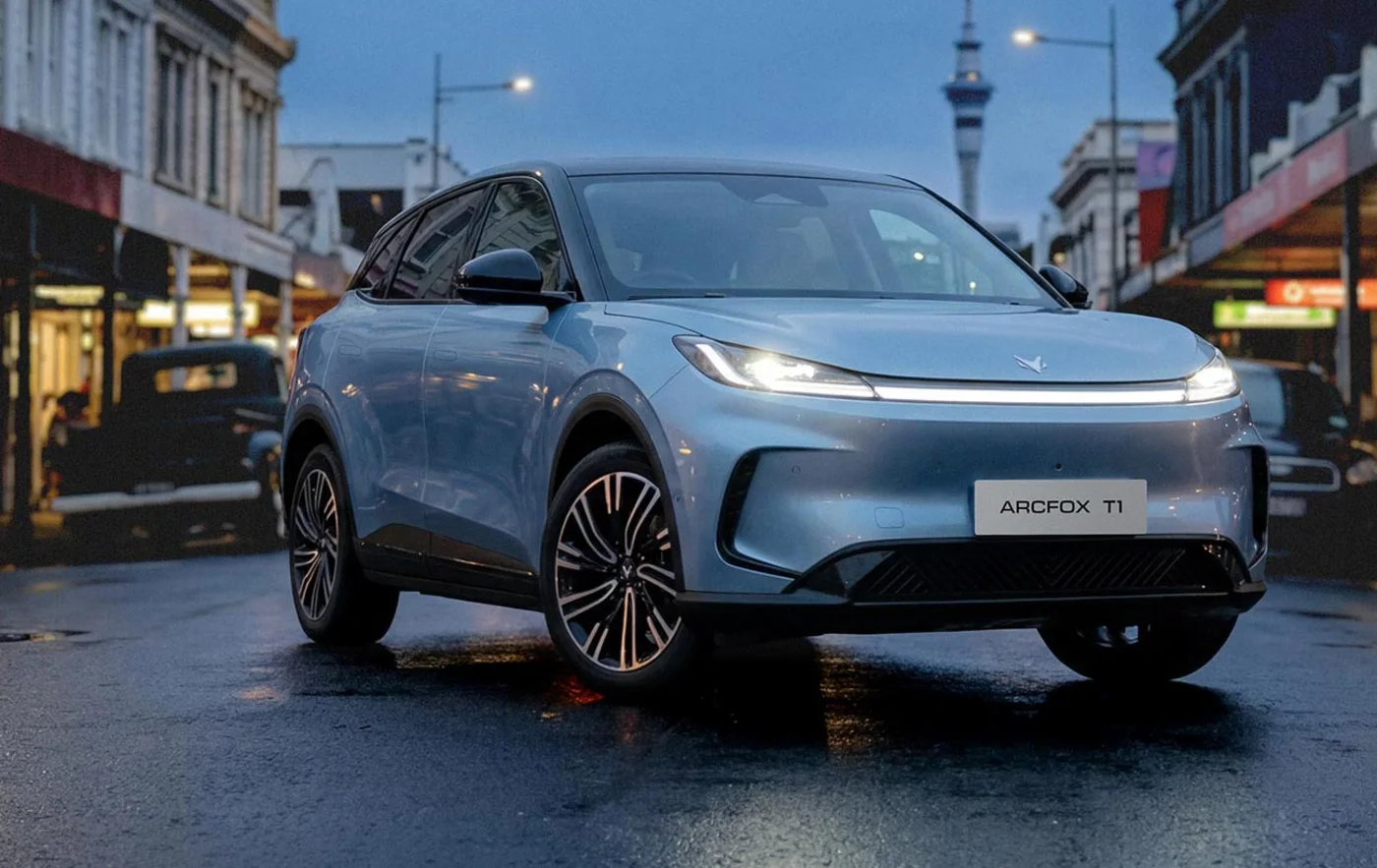
It is also bigger than the price suggests. At 4,337 millimetres long and 1,860 millimetres wide it sits closer to a compact SUV than a city hatch, and its 2,770-millimetre wheelbase is longer than that of any other car at this level. Those numbers explain most of what is good about the cabin. They also mean it needs a little more room in tight Kathmandu parking than an Atto 1 or a Nammi Box.
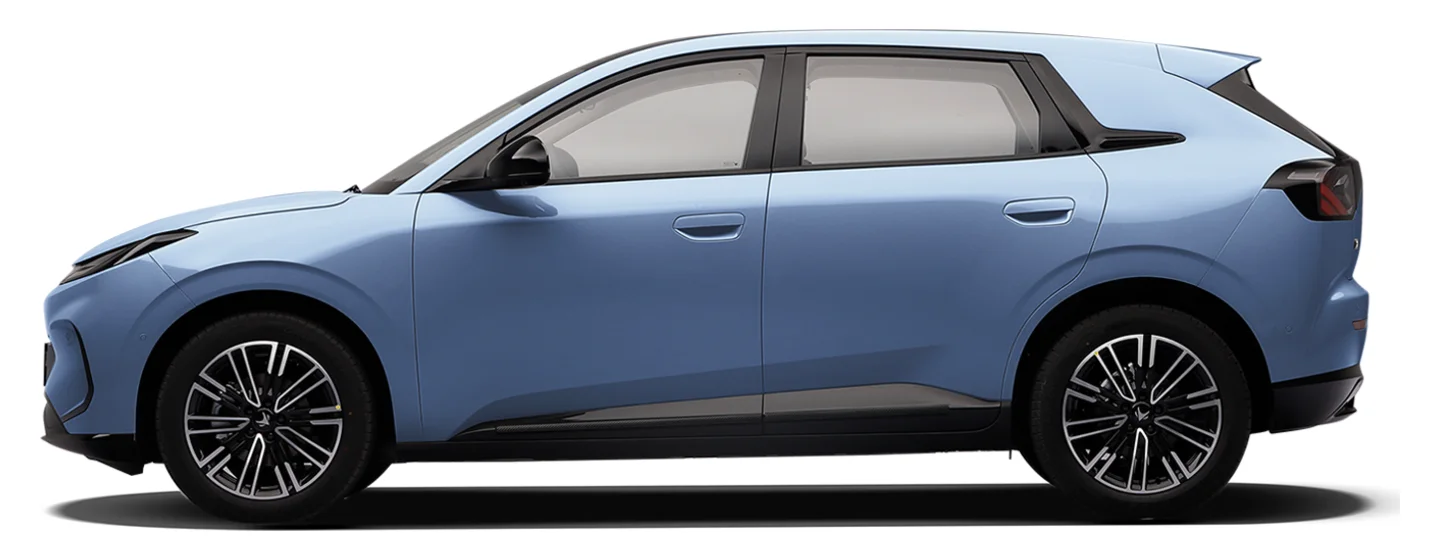
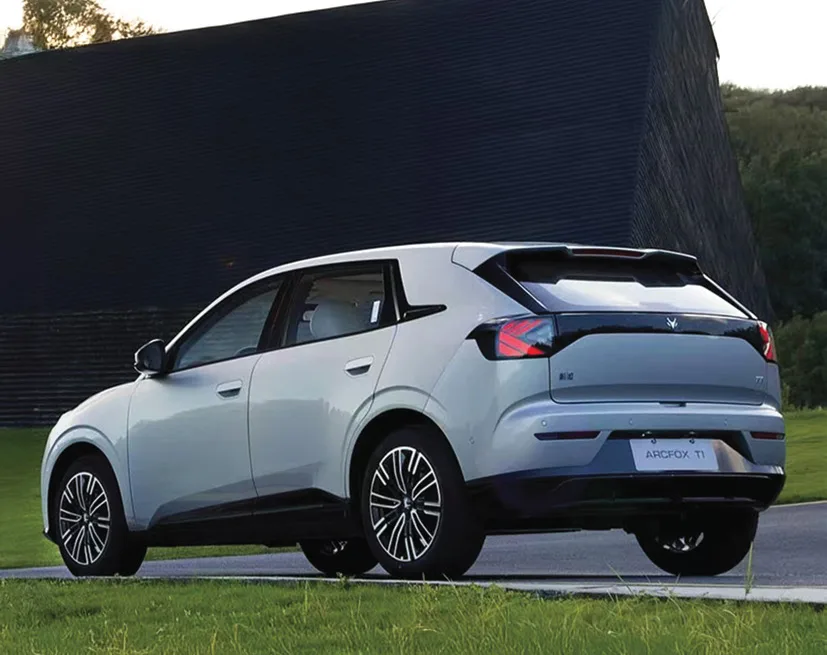
The thick rear pillars and a shallow rear window limit the view over your shoulder, so you will rely on the mirrors and the parking aids when reversing.
Interior, space and practicality8.0
Space is the best reason to buy a T1. The long wheelbase and flat floor give the rear seat legroom that cars a size up would be happy with, and three adults fit across it more easily than in most cars in this group. Rear passengers also get their own air vents, which helps in a Terai summer.
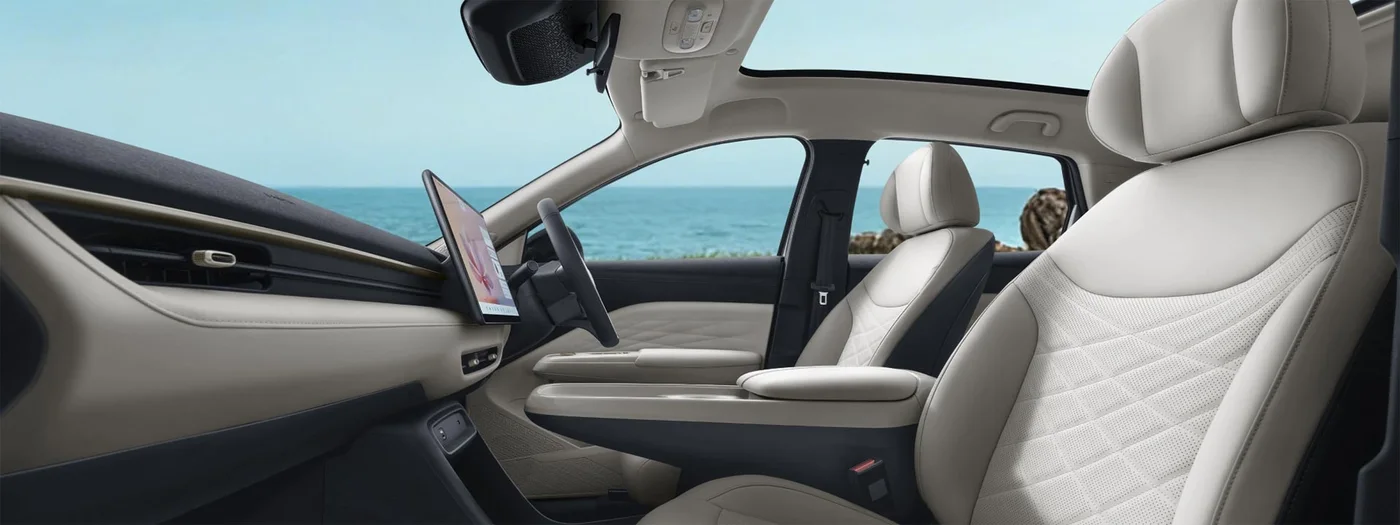
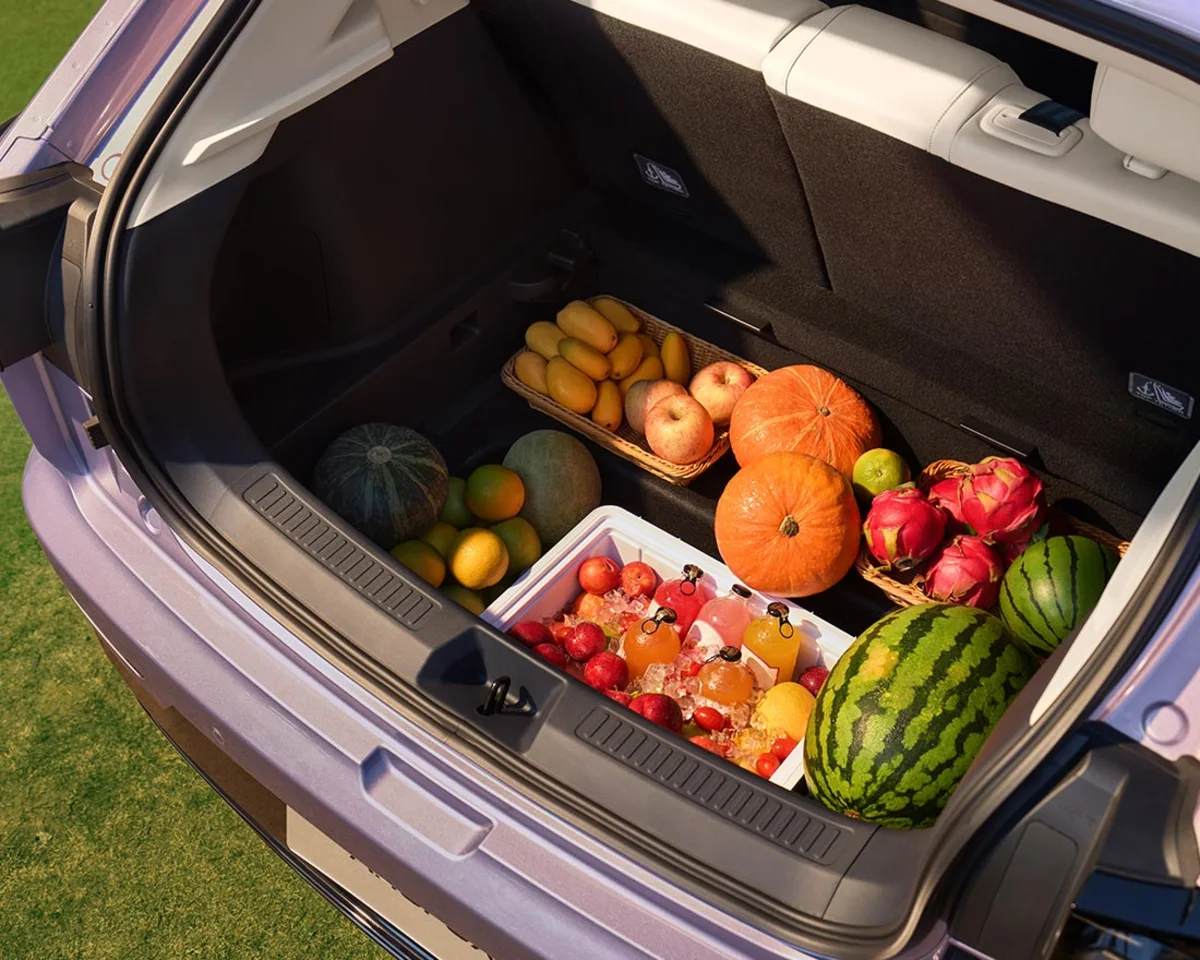
The boot holds 459 litres with the seats up and 1,352 litres with them folded, more than most of its rivals manage, and there is a deep tray under the floor for the charging cable. The rear seat splits 60/40.
Up close the materials are less convincing. The two-tone trim and quilted seats give a good first impression, but the door tops and most of the surfaces you touch are hard plastic, and the centre console can creak. The LV3 has leatherette seats and the LV2 has fabric. There is no glovebox, only a lidded bin between the front seats, and the driving position sits high even at its lowest setting.
Features and technology7.0
A 15.6-inch touchscreen dominates the dashboard on both trims, paired with a small digital display behind the wheel. The screen is quick to respond and easy to read, but it also handles most of the controls, because there are very few physical buttons.
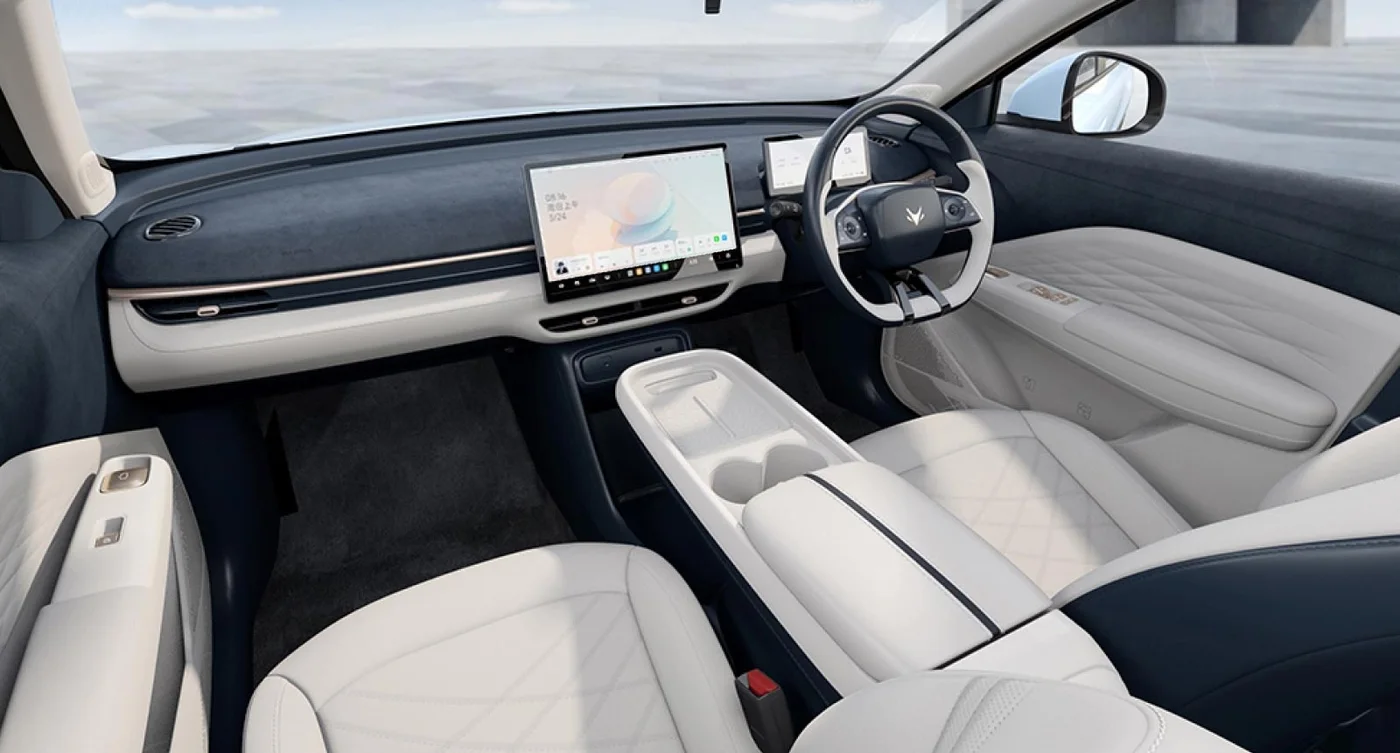
Both trims get keyless entry and start, automatic air-conditioning, automatic headlights, an electric parking brake with auto hold, rear parking sensors and fast USB charging front and rear. Apple CarPlay is supported. Android Auto is not, so Android phones depend on a separate mirroring app. There is no wireless charging pad, no companion phone app and no over-the-air updates.
The LV3 adds ventilated front seats, a 360-degree camera with an underbody view and a Level 2 driver-assist suite with adaptive cruise, lane departure warning and automatic parking. The 360-degree camera makes the big body much easier to park. Export cars in this trim also get a panoramic sunroof and six speakers, but neither is confirmed for the Nepal LV3, so check the showroom car.
Range, battery & charging
Real-world range7.0
The 310-kilometre WLTP figure is a fair guide for mixed driving, and the T1 can beat it in slow city traffic. In town it uses around 11 kWh per 100 kilometres, which would take a full battery well past 300 kilometres. At a steady 100 kilometres per hour, though, consumption climbs to around 16 kWh per 100 kilometres, which works out to roughly 255 kilometres.
That puts it in the middle of its segment on range. A Kathmandu to Pokhara run is possible on one charge with careful driving and no big detours, though most owners will want a top-up on the way, especially with a full car and the air-conditioning on.
- Battery
- 42.4 kWh LFP
- Range (WLTP)
- 310 km
- Wheels
- 17-inch
- Ground clearance
- 167 mm
- Seats
- Fabric
- Ventilated front seats
- No
- Level 2 driver assist
- No
- Battery
- 42.4 kWh LFP
- Range (WLTP)
- 310 km
- Wheels
- 18-inch
- Ground clearance
- 181 mm
- Seats
- Leatherette
- Ventilated front seats
- Yes
- Level 2 driver assist
- Yes, with 360-degree camera
Battery7.0
Both trims share a 42.4 kWh lithium iron phosphate pack. That is one of the larger batteries at this level, matched by the larger Nammi Box and beaten only by the Nammi Vigo. LFP chemistry suits Nepal well, since it copes with heat, tolerates regular charging to 100 percent and has a long cycle life. Arcfox builds the pack with layered protection against impact and thermal events. The full battery warranty terms for Nepal had not been published at launch, so get them in writing before you sign.
Efficiency and running cost8.0
For a car this size the T1 is efficient. Its claimed consumption is about 12 kWh per 100 kilometres, and in gentle town driving it does better than that, on par with the most frugal small EVs despite its larger body. The tall, wide shape costs it more at highway speed, where it uses noticeably more than a lower car like the Dolphin.
Day-to-day costs should be low. Home charging costs a fraction of petrol per kilometre, and the drivetrain needs little routine servicing. Parts prices, how quickly spares arrive and the exact warranty cover are still unknown for a brand this new to Nepal.
Charging7.0
DC fast charging takes the battery from 30 to 80 percent in about 25 minutes, which is quicker than the Atto 1 and the Nammi Box manage and competitive for the segment. On AC the T1 takes up to 7 kW, so a full charge from empty takes about eight hours on a wallbox, which is easily done overnight.
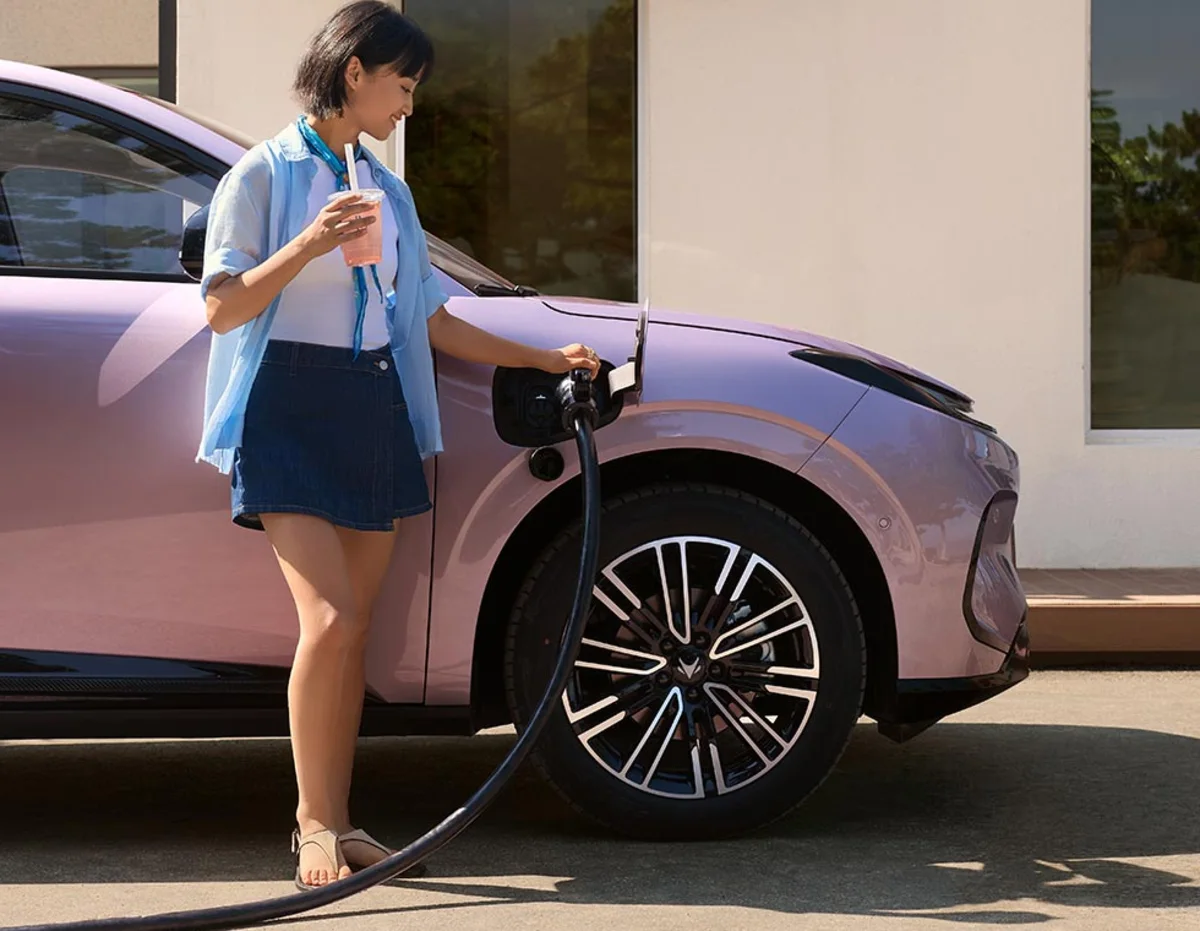
Charging availability6.0
Arcfox does not run its own charging stations in Nepal. Its distributor's wider group lists more than 60 charging points at its dealerships, hotels and partner sites around the country, but it has not said how many are fast chargers or whether T1 owners get any priority or special access. A home wallbox is not confirmed as part of the purchase. In practice the T1 depends on NEA and private chargers on the road and on a home or office socket for daily use, the same as most cars without a brand network behind them.
Performance & driving
Performance and hill climbing6.0
The 70 kW motor and 176 Nm are enough for the city and modest for the open road. Off the line the T1 is eager, as most EVs are, and it gets to 100 kilometres per hour in a little under nine seconds, quicker than the Atto 1 and the Nammi Box. The Punch EV, Nammi Vigo and e.MAS 5 Premium all have more power, though, and that shows once the T1 is loaded. Top speed is 140 kilometres per hour.
The car weighs around 1,420 kilograms, which is a lot for 70 kW, and with five people and luggage on board overtaking needs a long, clear stretch. No one has yet tested it on a long Nepali climb, but expect it to hold its speed there rather than build it, and expect range to drop quickly on a hill-heavy day. Hill-hold and hill-descent control come on both trims. Regeneration has three levels, but even the strongest does not bring the car to a stop on its own, so on long descents like Nagdhunga you will still use the brakes.
Driving experience, ride and handling6.0
Around town the T1 is quiet and smooth, and the light steering makes it easy to park and thread through traffic. The same steering has little feel at speed, and the heavier Sport setting adds weight without adding feedback. Handling is safe and predictable, if not much fun.
The ride is on the firm side. It settles quickly over patched tarmac and long undulations, but the torsion-beam rear axle thumps over sharp edges and speed breakers, and the rear seat feels this more than the front. Tyre and wind noise rise noticeably above 90 kilometres per hour.
Road tolerance7.0
The LV3 sits 181 millimetres off the ground and the LV2, on smaller wheels, 167 millimetres. Both clear most speed breakers and broken road edges, though the LV2 needs more care on rutted approach roads. The long wheelbase can catch on sharp crests and steep driveway lips, and the firm suspension is best taken slowly over deep potholes. There is no spare wheel, only a repair kit, which matters more on rough roads outside the valley.
Safety & build
Safety6.0
Both trims have four airbags (front and side, with no curtain airbags), ABS with brake assist, stability and traction control, hill-hold, ISOFIX mounts and rear parking sensors. The body uses a high-strength steel cage around the cabin.
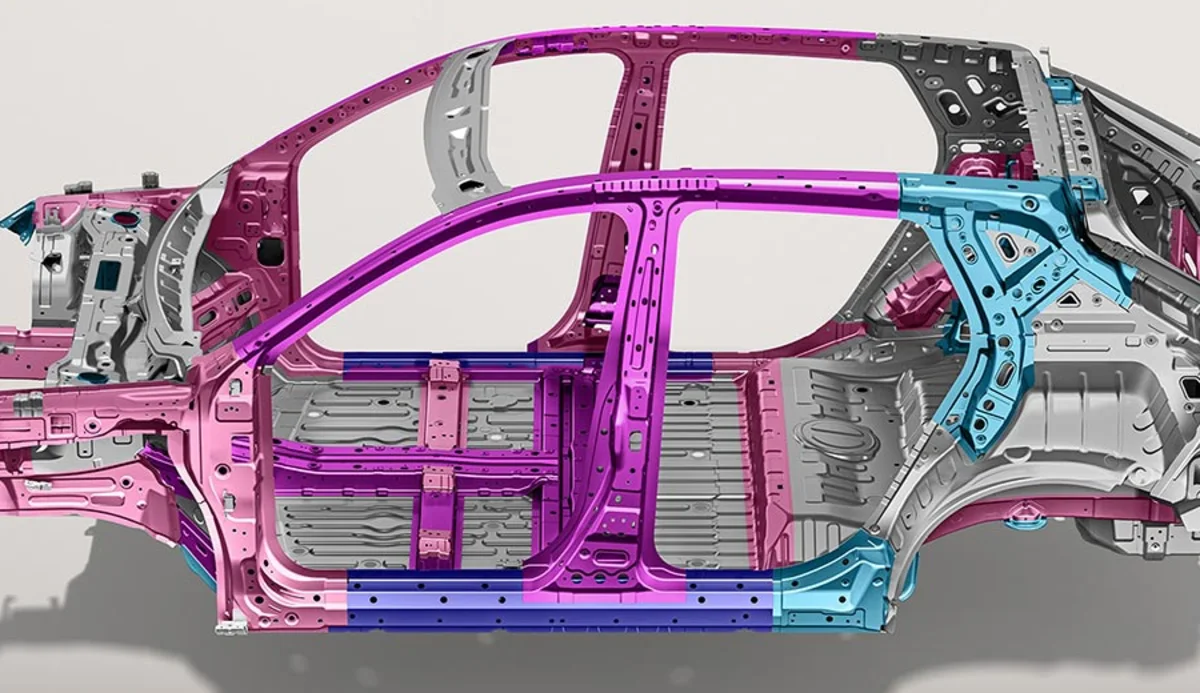
The T1 has not been crash-tested by Euro NCAP, ANCAP or C-NCAP, so there is no independent result to judge that structure by. The LV3's Level 2 package adds adaptive cruise, lane departure warning and automatic parking on top of the 360-degree camera, which makes it the safer trim. The LV2 has none of these assists. Four airbags is behind the six in the better-equipped rivals, and the Punch EV backs its kit with a five-star crash rating.
Build quality and reliability6.0
The cabin plastics are hard and the centre console can creak on rough roads. The LFP battery and simple single-motor drivetrain should be durable. The T1 has only been on sale in China since late 2025 and in Nepal since August 2026, so there is no long-term local record to judge it by yet.
Value & ownership
Price and value8.0
On paper the T1 is one of the best deals in its segment. It costs about the same as smaller rivals and gives you more length, more rear space, a bigger boot, a larger battery and more power than most of them. The LV3 adds ventilated seats, a 360-degree camera and a Level 2 driver-assist package. That value is partly offset by the brand's short history here and its thin support network, which will affect resale.
After-sales and service network5.0
After-sales is the T1's weakest area. Arcfox sells and services through a joint BAIC and Arcfox showroom in Naxal, and its distributor runs a handful of service facilities shared across its Chinese brands, with more announced but not yet open. Inside the valley that is workable for a car that needs little routine maintenance. Outside it, there is no confirmed Arcfox workshop, and nothing yet confirms that the group's wider Hyundai service network will handle the T1. Owners in Pokhara, the Terai or the hills should expect long trips for anything beyond basic care and possible waits for parts. Check how close the nearest authorised service point is before you buy.
Editor's opinion7.0
The T1 has more room, more battery and more power than the BYD Atto 1 for similar money, and the LV3's equipment list is generous. The Atto 1 is still the safer choice for most buyers because of BYD's service network and longer local track record, so the T1 suits valley families who value space over support.
Verdict
The Arcfox T1 gives you more space and battery than most cars at this level: a cabin with real rear legroom, a 459-litre boot, a 42.4 kWh battery that covers a realistic 255 to 300 kilometres, and quicker DC charging than its cheapest rivals. The LV3 adds ventilated seats and Level 2 driver assistance with a 360-degree camera. Against that sit a modest motor that strains when loaded, a firm ride over sharp bumps, hard cabin plastics and four airbags with no independent crash rating. The biggest risk is ownership, because Arcfox is new to Nepal and its service network barely reaches beyond Kathmandu. For a family that lives and drives mostly in the valley, it is a lot of car for the money.
Okay
A roomy crossover with a big boot and a larger battery than most entry-level EVs, held back by a modest motor, four airbags and a brand still building its service network.
Kushal Rajbhandari
Nov 2, 2026
A roomy crossover with a big boot and a larger battery than most entry-level EVs, held back by a modest motor, four airbags and a brand still building its service network.
Kushal Rajbhandari
Nov 2, 2026
FAQ
What is the real-world range of the Arcfox T1?
The T1 is rated at 310 kilometres on the WLTP cycle. In city driving it can match or beat that, while at a steady 100 kilometres per hour expect around 255 kilometres. Both trims share the same 42.4 kWh battery, so range does not change between them.
How long does the Arcfox T1 take to charge?
A DC fast charger takes the battery from 30 to 80 percent in about 25 minutes. On a 7 kW AC wallbox a full charge from empty takes about eight hours, so overnight home charging covers daily use.
What is the difference between the Arcfox T1 LV2 and LV3?
They share the battery, motor and 15.6-inch screen. The LV3 adds leatherette seats with front ventilation, 18-inch wheels, a 360-degree camera with an underbody view and a Level 2 driver-assist package with adaptive cruise, lane departure warning and automatic parking. It also sits higher, at 181 millimetres against the LV2's 167.
Does the Arcfox T1 support Android Auto?
No. The T1 supports Apple CarPlay, while Android phones connect through a separate mirroring app. There is also no wireless charging pad, though fast USB ports are fitted front and rear.
How safe is the Arcfox T1?
Both trims have four airbags, stability control, ABS with brake assist, hill-hold and ISOFIX mounts on a high-strength steel body. The car has no independent crash-test rating, and only the LV3 gets driver-assist systems such as adaptive cruise and lane departure warning.
Is the Arcfox T1 good for Nepali roads?
In and around the valley, yes. Ground clearance of 181 millimetres on the LV3 and 167 on the LV2 clears most speed breakers, and the cabin and boot suit family use. The ride is firm over sharp bumps, the motor is modest on long climbs, and there is no spare wheel.
Where can you service an Arcfox T1 in Nepal?
Sales and service run through a joint BAIC and Arcfox showroom in Naxal, Kathmandu, backed by a few service facilities shared with the distributor's other Chinese brands. Arcfox has no confirmed workshop outside the valley yet, so check the nearest service point before buying.