

MG S5 review

Kushal Rajbhandari
· Sep 24, 2026
Good
A spacious, safe and well-finished family EV with tidy rear-drive handling, held back by average clearance, a firm low-speed ride and chargers that cannot match its speed.
Kushal Rajbhandari
Sep 24, 2026
A spacious, safe and well-finished family EV with tidy rear-drive handling, held back by average clearance, a firm low-speed ride and chargers that cannot match its speed.
Kushal Rajbhandari
Sep 24, 2026
What we like
- Composed rear-wheel-drive handling with accurate steering and a five-link independent rear axle
- MG's best cabin yet, with soft-touch finishes and a flat rear floor that frees real adult space
- Five-star Euro NCAP rating, seven airbags and blind-spot detection on every trim
- Accepts up to about 150 kW DC on the 62 kWh car, 10 to 80 percent in about 26 minutes
- Practical 453-litre boot that grows to 1,441 litres with the rear seats folded
- 62 kWh Luxury covers roughly 340 to 370 km in mixed driving
What could be better
- 49 kWh versions manage about 280 to 300 km in real driving, less on long climbs
- MG's own DC chargers run at 30 kW, far below what the car can accept
- Ground clearance of 175 to 180 mm is lower than several rivals
- Low-speed ride can feel firm over sharp bumps, especially on 18-inch wheels
- Only a one-year vehicle warranty, though the battery is covered for eight years
- Comfort trim misses the 360-degree camera, sunroof and wireless charging
The MG S5 is one of the most rounded family electric SUVs on sale in Nepal, and it earns that with the basics done properly: a roomy, well-finished cabin, a five-star crash rating, a full driver-assist suite on every trim and a rear-wheel-drive chassis that is genuinely pleasant to steer. It is less convincing on the things that are specific to Nepal, where modest ground clearance, a firm low-speed ride and a thin fast-charging network ask for some compromise.
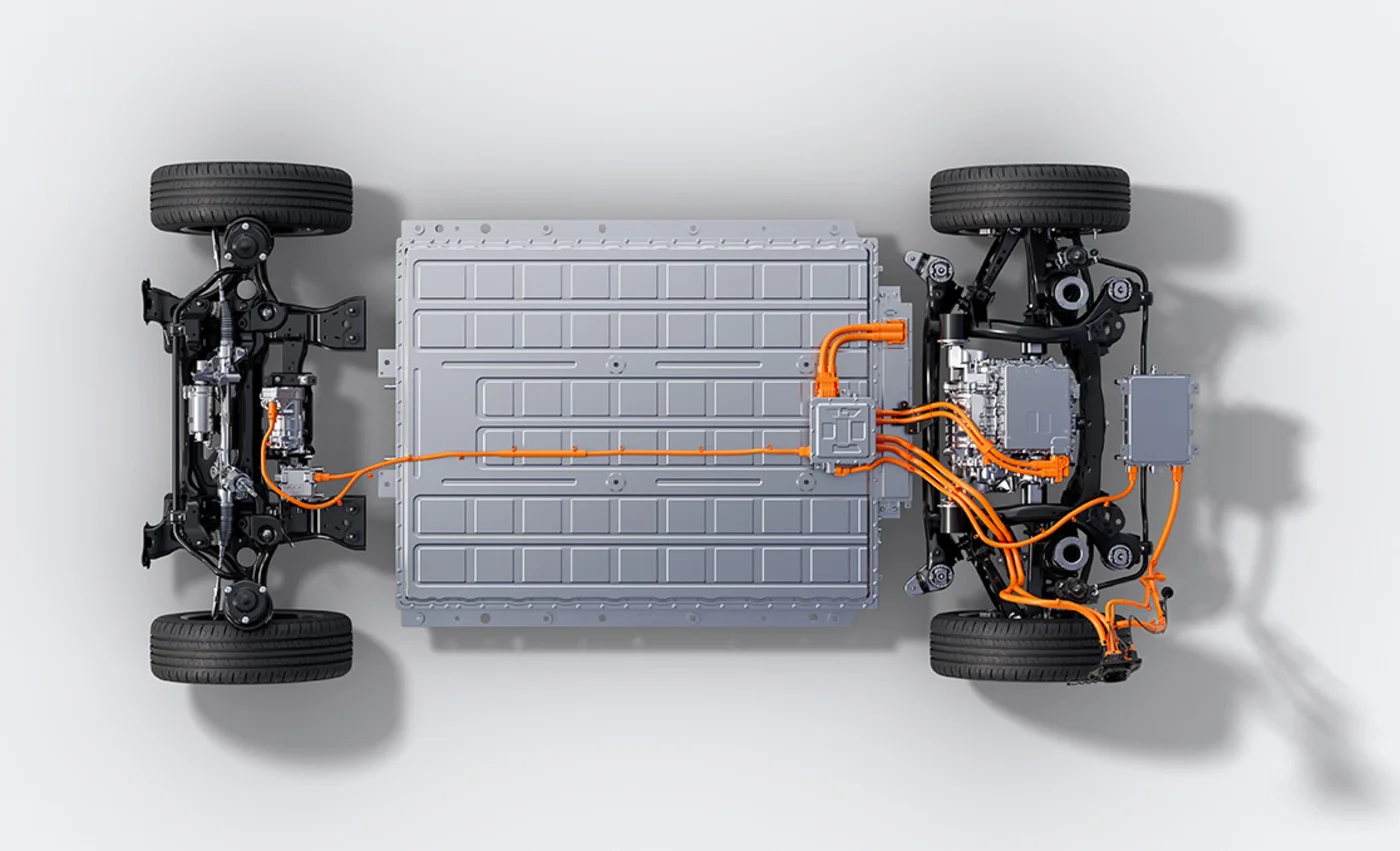
It replaces the ZS EV in MG's line-up and rides on the same dedicated electric platform as the MG4, with a CATL LFP battery just 110 millimetres thick laid flat in the floor and the motor driving the rear wheels. Three trims are sold here: the Comfort and the Luxury share a 49.1 kWh pack, and a second Luxury steps up to 62.2 kWh. All three use a 99 kW, 250 Nm motor, a softer tune than the car gets in some other markets.
In practice it is a grown-up, sensible family car that happens to be electric. The trade-offs are clear before you sign: the 49 kWh versions give a real-world range of around 300 kilometres rather than the headline figure, the car can charge far faster than most Nepali chargers can deliver, the vehicle warranty is only one year, and the Comfort trim leaves out a lot of the equipment that makes the Luxury feel special.
Design, interior & features
Design and exterior7.0
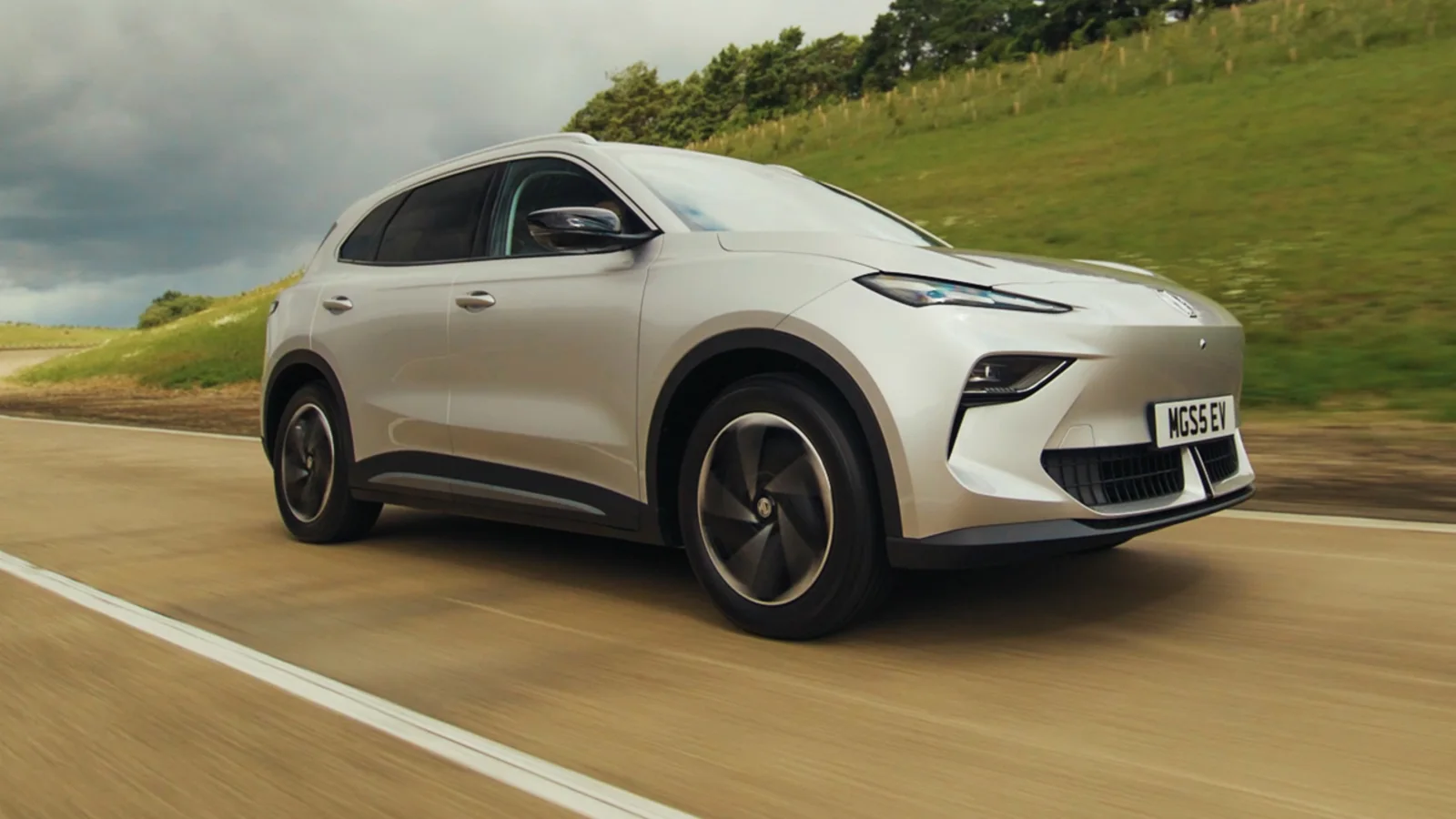
The S5 looks clean, smooth and modern, and about as anonymous as a crossover can be. The nose is closed off, with slim running lights sitting above the headlamps, the flanks are uncluttered, and the whole body is drawn for airflow rather than drama. It will not turn heads, but it will not date quickly either.
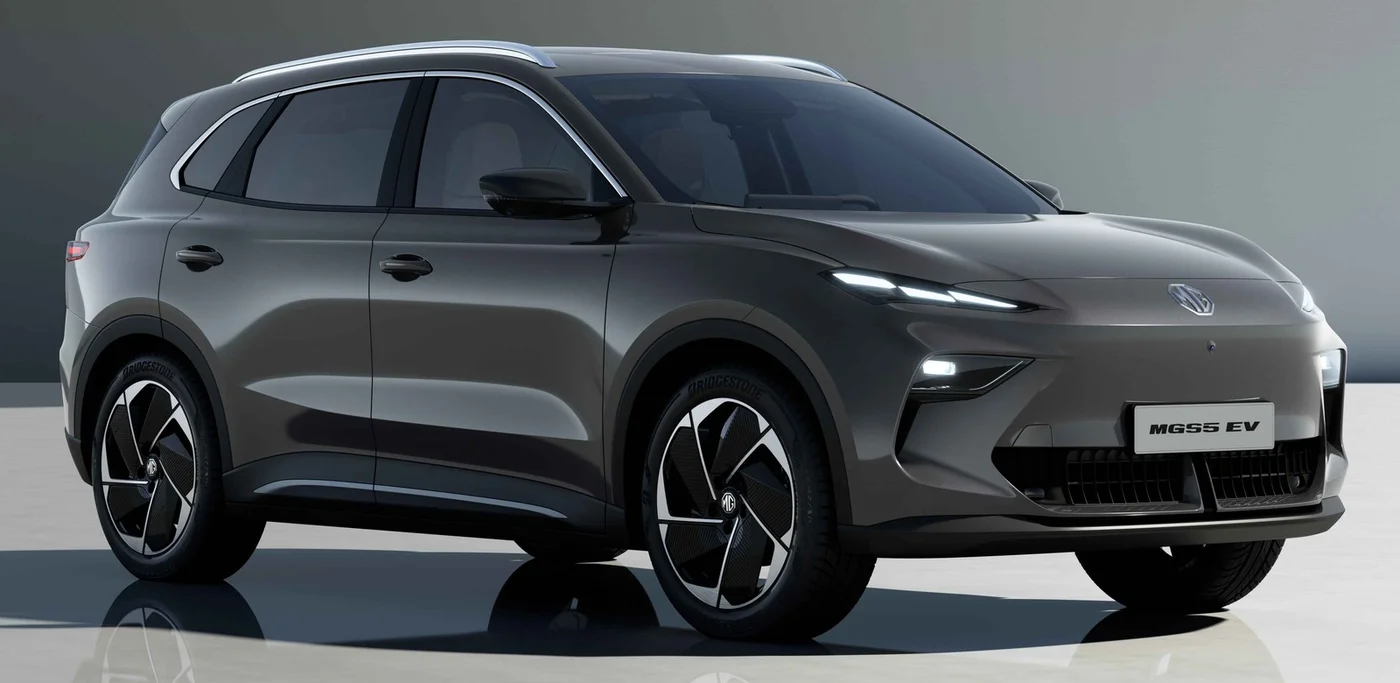
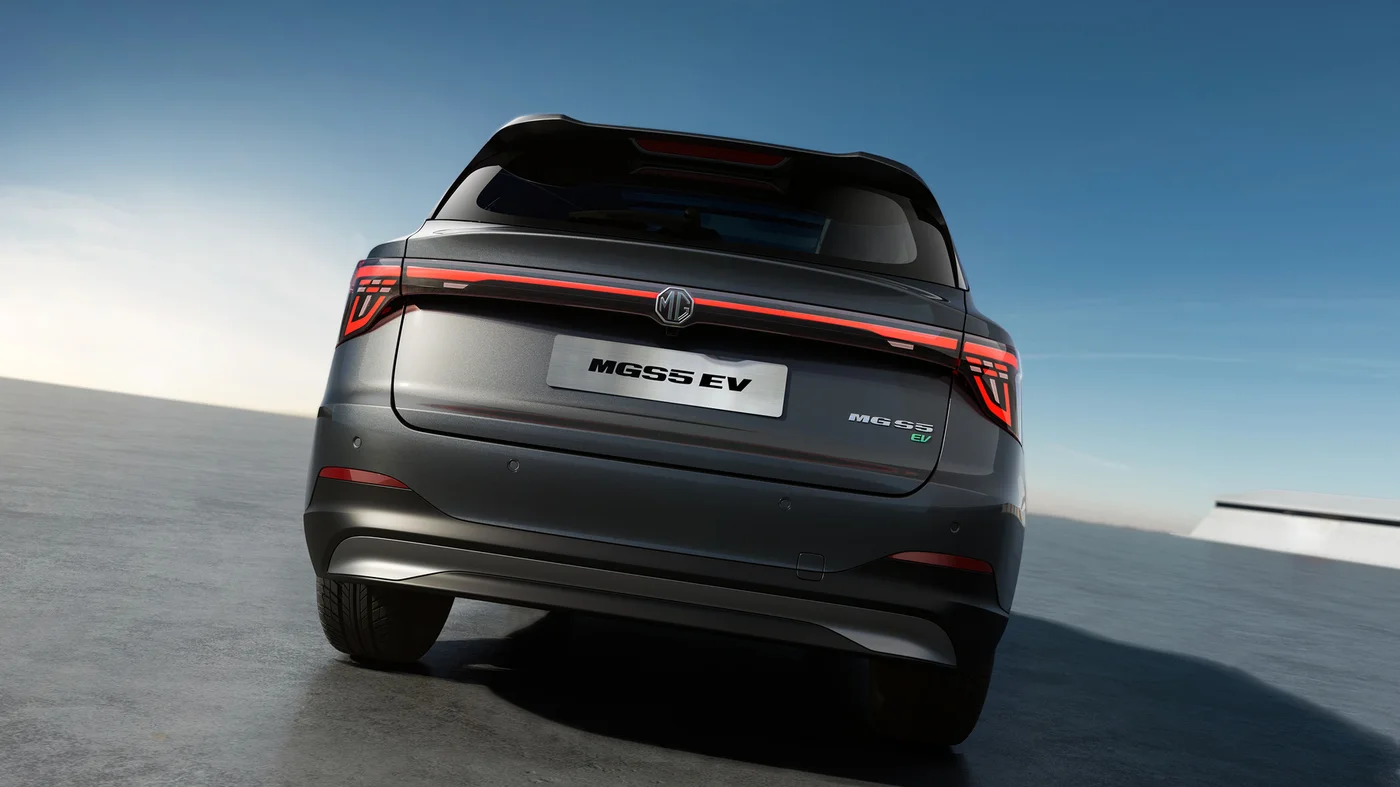
The rear is the most distinctive angle, with a full-width tail light bar and an arched lamp signature that give it some character. The Comfort rides on 17-inch alloys and both Luxury trims on 18-inch, both with low-drag wheel caps, and seven colours are offered: white, black, silver, dark grey, red, blue and gold.
Interior, space and practicality8.0
The cabin is the best MG has made, and a clear step above the ZS EV it replaces. Soft-touch surfaces cover most of what you touch, the design is neat without being stark, and the front seats are comfortable over long distances. The Luxury trims add leatherette and fabric upholstery, heated front seats, a heated leather steering wheel and a six-way powered driver's seat; the Comfort makes do with fabric and manual adjustment.
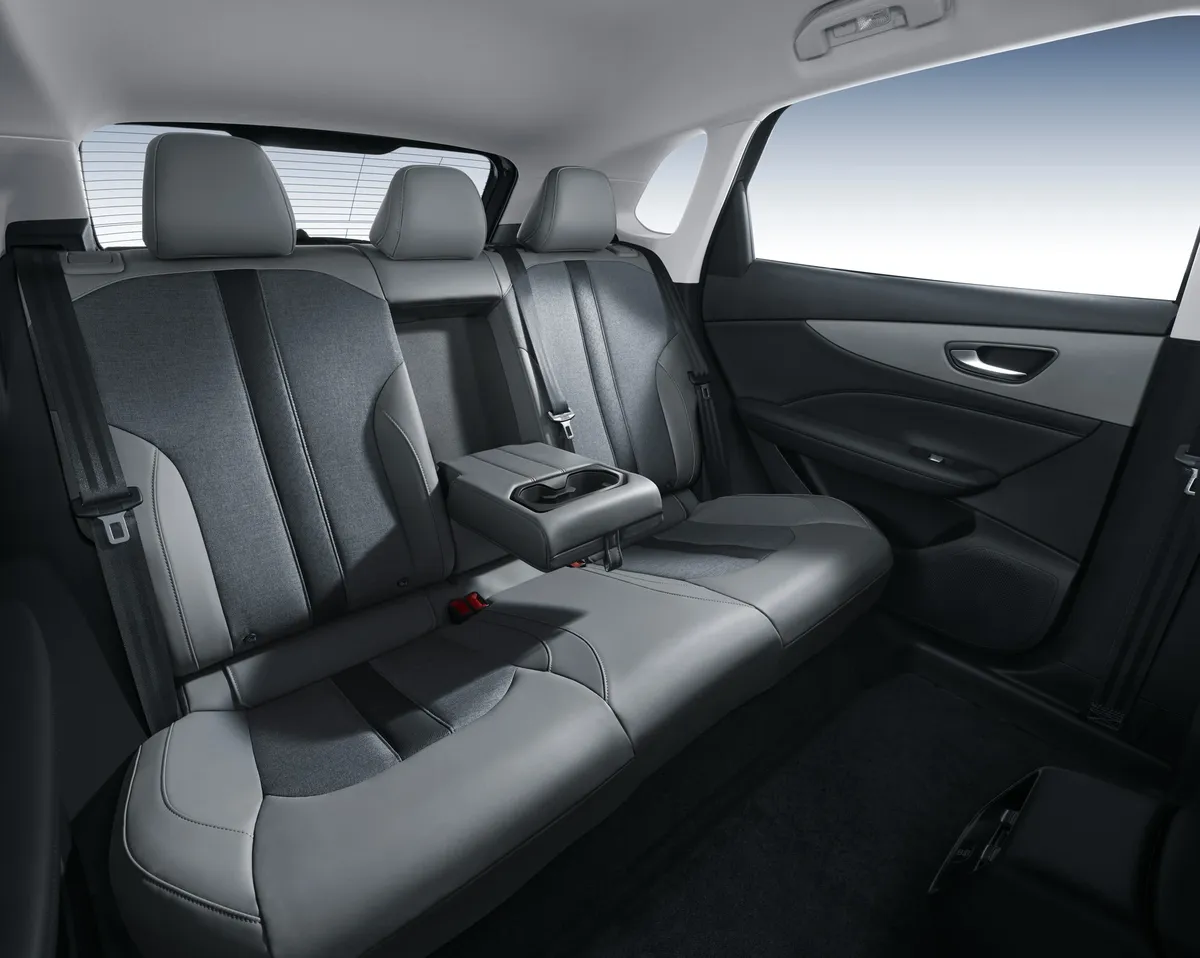
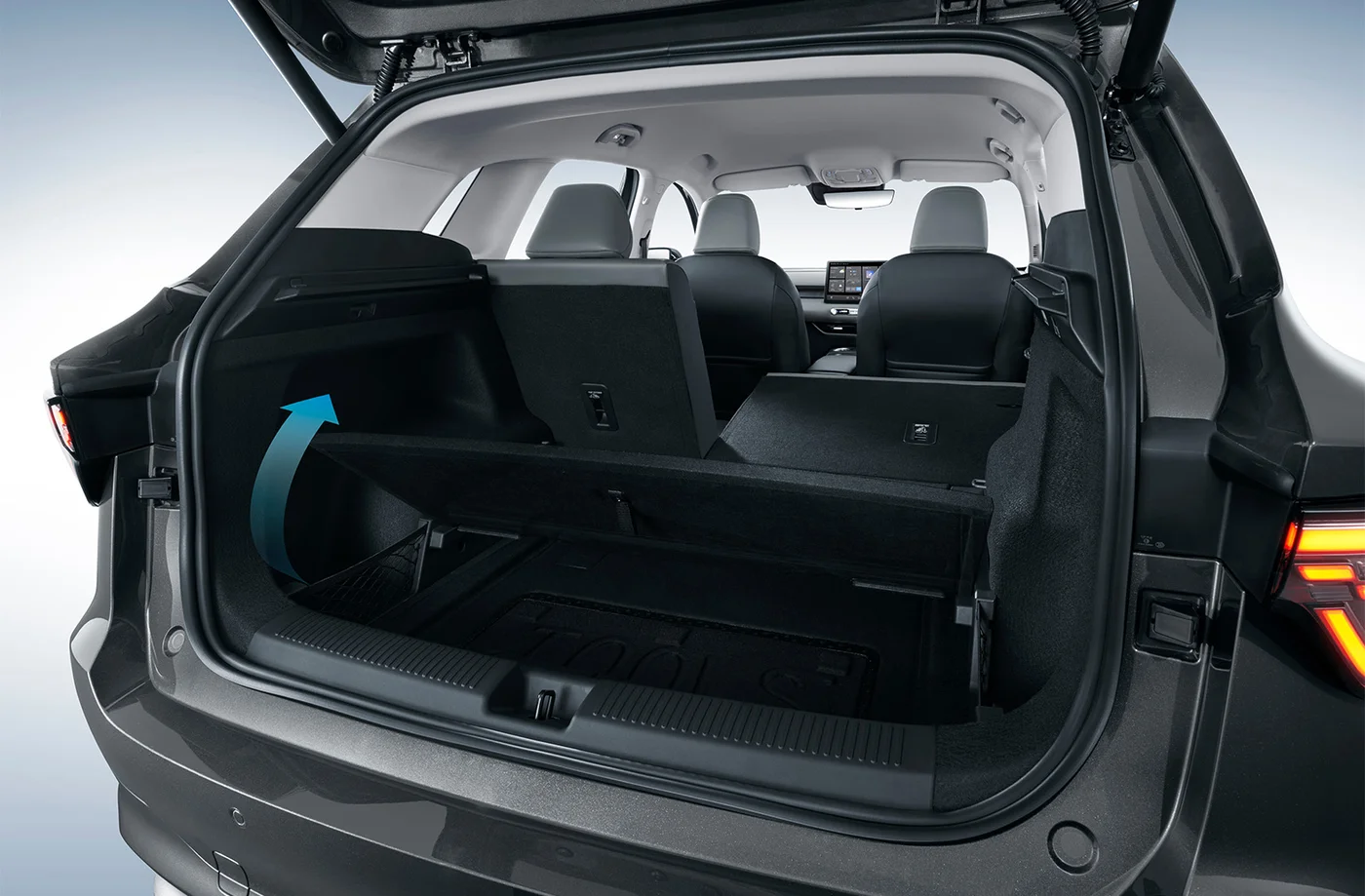
Rear space is a strength. The floor is flat, so the middle passenger is not straddling a tunnel, and there is enough knee room and headroom for tall adults to sit behind tall drivers. The boot is one of the larger in its class at 453 litres, with an adjustable floor, and folding the rear seats opens it to 1,441 litres. The Luxury trims get a kick-to-open power tailgate. The small gripes are storage: the door bins and glovebox are on the small side, and there is no front boot for the charging cable.
Features and technology8.0
Every S5 gets a 12.8-inch central touchscreen, a 10.25-inch digital driver display, wireless Apple CarPlay and Android Auto, keyless entry with a Bluetooth phone key, automatic climate control and three USB-C ports. Built-in apps include streaming video and music, and the car connects to MG's app for remote locking, climate control and location tracking.
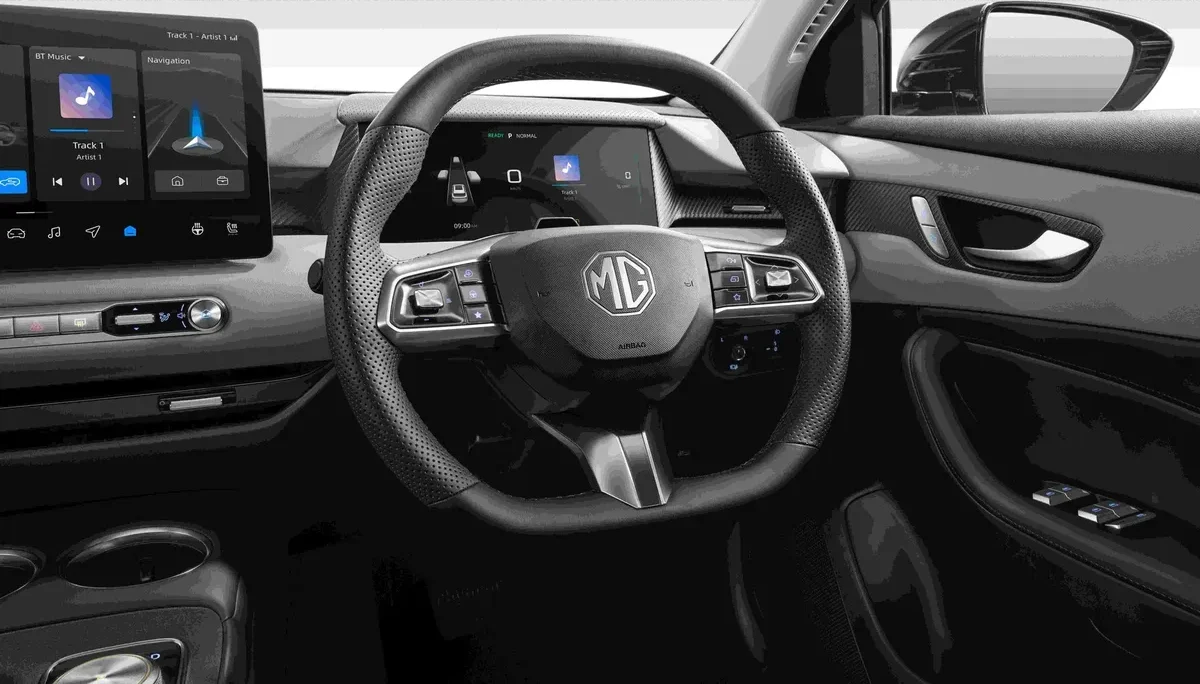
Sensibly, MG has kept a row of physical controls for the climate and a volume roller under the screen, so the basics do not need a menu. The screen itself is sharp and mostly quick, though it can hesitate at times and the phone connection occasionally needs a nudge to reconnect.
The Luxury trims add most of the kit that makes the car feel premium: a 360-degree camera, six speakers with sound calibration, a 1.9-square-metre panoramic sunroof, wireless phone charging, rain-sensing wipers and power-folding mirrors. The Comfort keeps a rear camera, four speakers and none of those, which makes the gap between trims wider than the battery alone suggests.
Range, battery & charging
Real-world range7.0
The 49 kWh versions quote 340 kilometres on the WLTP cycle and the 62 kWh Luxury quotes 430 kilometres. WLTP is a fairly realistic cycle, but heat, climbs and a 1,705-kilogram kerb weight pull the figures down, so in mixed Nepali driving the 49 kWh pack returns roughly 280 to 300 kilometres and the 62 kWh pack roughly 340 to 370 kilometres. Gentle valley commuting sits at the top of those bands; a hot, loaded climb out of the valley pulls them down.
That makes the 62 kWh Luxury the one to have if you travel beyond the valley often: a Kathmandu to Pokhara run is comfortable on one charge with a margin to spare. The 49 kWh cars make the same trip with a fair margin, though the climb back into the valley is where a top-up earns its place.
- Battery
- 49.1 kWh
- Range (WLTP)
- 340 km
- Typical real-world
- 280-300 km
- DC peak
- about 120 kW
- Battery
- 49.1 kWh
- Range (WLTP)
- 340 km
- Typical real-world
- 280-300 km
- DC peak
- about 120 kW
- Adds
- 360 camera, sunroof, heated seats
- Battery
- 62.2 kWh
- Range (WLTP)
- 430 km
- Typical real-world
- 340-370 km
- DC peak
- about 150 kW
Battery8.0
Both packs use CATL's LFP chemistry, which has a strong record for cycle life and thermal stability, handles regular charging to full better than some alternatives and suits a hot climate. The pack is only 110 millimetres thick, which is what frees the flat floor and the rear headroom. It is covered for eight years or 150,000 kilometres, whichever comes first, which is reassuring on the car's single most expensive part.
Efficiency7.0
Efficiency is decent rather than outstanding. Expect around 16 to 17 kWh per 100 kilometres in mixed driving, or roughly 6 kilometres per kWh, which is fair for a car of this size and weight but some way off the most frugal small EVs. The aerodynamic details, from the closed nose to the wheel caps, help most at steady highway speeds that Nepali roads rarely allow.
Charging7.0
On paper, the charging hardware is quick. The 49 kWh cars accept up to about 120 kW on DC and the 62 kWh up to about 150 kW, good for 10 to 80 percent in 24 and 26 minutes respectively on a charger that can keep up. On AC the car takes 7 kW, so a full charge at home is an overnight job of around eight hours for the smaller pack and ten for the larger. Vehicle-to-load lets you run appliances off the battery at up to 3.3 kW, handy during an outage. The limit is the network: most public DC chargers here deliver 30 to 60 kW, so real fast-charge stops take far longer than those headline times.
Charging availability6.0
The S5 uses the common CCS2 standard, so it plugs into NEA and private chargers without adapters. MG runs its own network on top, with DC chargers at about a dozen points along the main corridors, from the valley and Kurintar to Pokhara, Butwal, Itahari and Dhangadhi, and a similar number of AC points. Those DC units are 30 kW, though, a fraction of what the car can take, and the brand's network is thinner than the largest rival's. Coverage is fine for the valley and the main highways; beyond them, trips need planning, and home or office charging should be the backbone of ownership.
Performance & driving
Performance6.0
The 99 kW motor and 250 Nm of torque are adequate rather than quick for a car of this weight. Response is smooth and linear, pulling into gaps in traffic is easy, and it never feels short of breath at the speeds most owners will drive. Push harder, overtaking on an open highway with a full load, and it runs out of urgency sooner than the livelier versions sold overseas. Top speed is 175 km/h, and five drive modes let you soften or sharpen the response.
Driving experience, ride and handling8.0
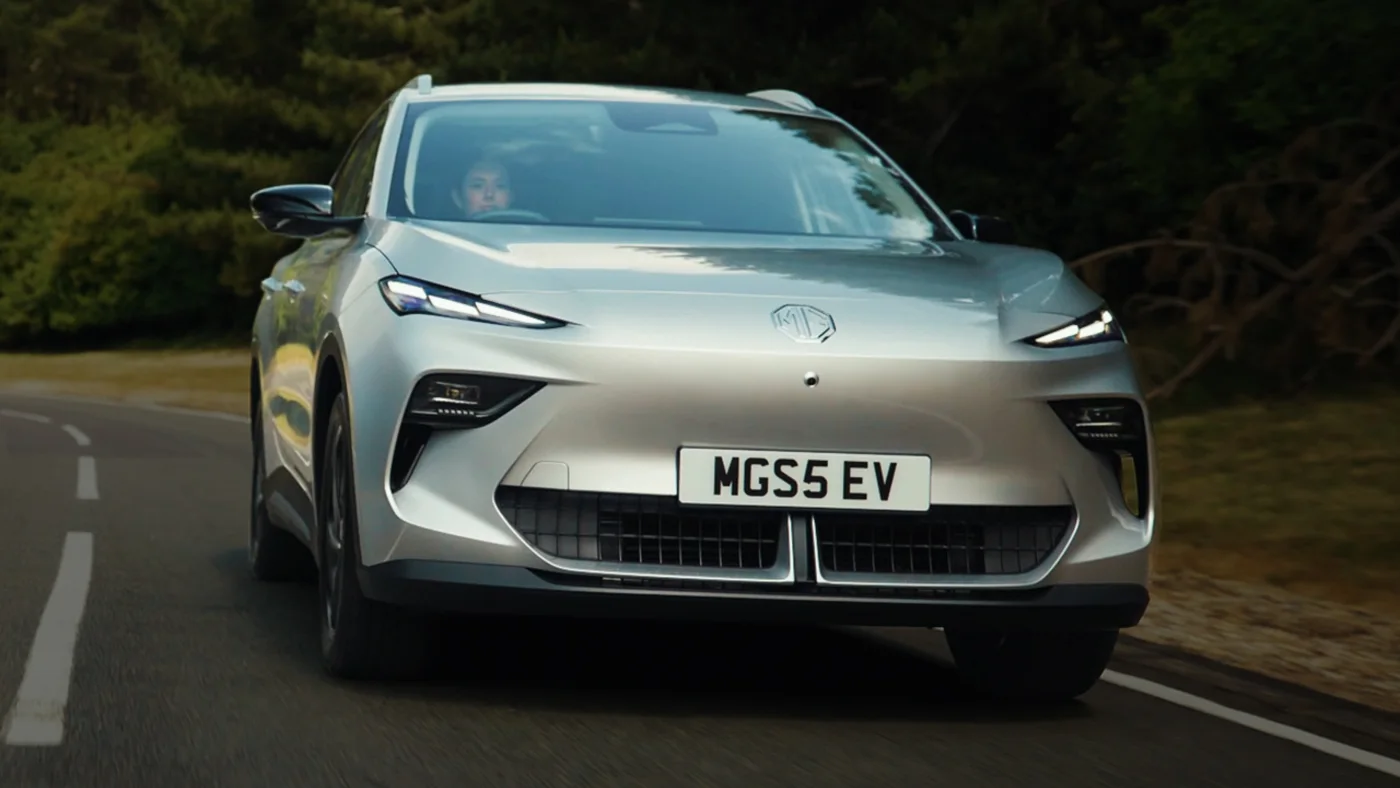
The S5's best trait is how it drives. Rear-wheel drive, an even weight balance and a five-link independent rear axle give it a composed, planted feel, and the steering is accurate and nicely weighted, more satisfying than most rivals in this class. It feels settled at speed and tidy through bends, and it is quiet and refined on a smooth surface.
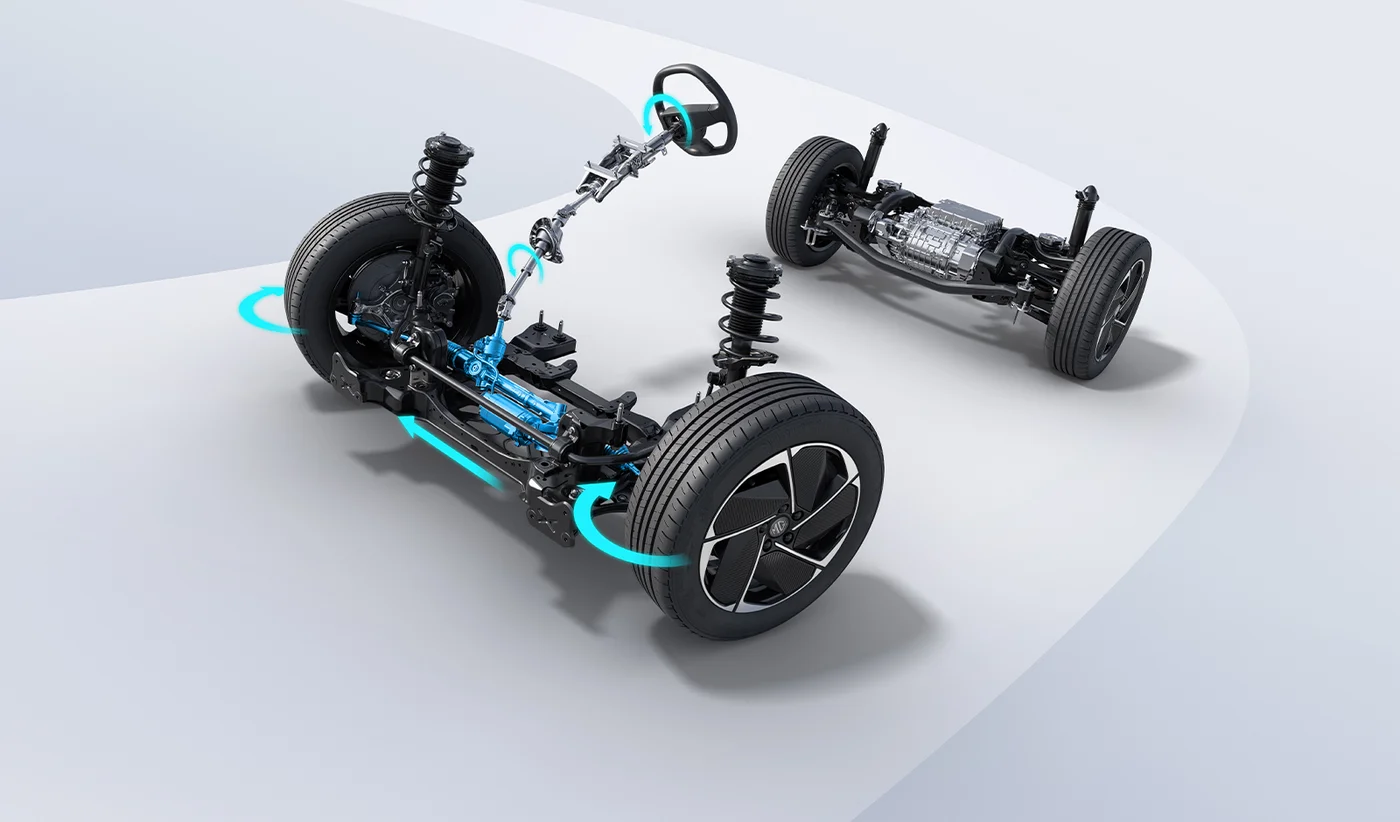
The ride is the weak spot. It is supple at speed but can feel firm and a little brittle over sharp urban bumps, especially on the Luxury's 18-inch wheels. The regenerative braking has four levels including an adaptive setting and a one-pedal mode that brings the car to a stop, though stepping through the levels is fiddlier than it needs to be.
Hill performance7.0
Rear-wheel drive suits Nepal's climbs: with weight shifting onto the driven wheels, the S5 pulls cleanly up steep, broken gradients without the wheelspin a front-driven car can show, and the instant torque makes hairpins easy. Strong regeneration steadies the car on the way down and recovers some energy, with disc brakes all round for the rest. Two caveats: with 250 Nm moving 1,705 kilograms it is steady rather than eager on a long climb with a full car, and sustained climbing drains the battery quickly, which matters most in the 49 kWh versions.
Road tolerance6.0
Ground clearance is 175 millimetres on the Comfort and 180 millimetres on the Luxury trims, adequate for city streets and highways but less than several rivals, so large speed breakers and rutted approach roads need care. Combined with the firm low-speed ride, the S5 is better on decent tarmac than on broken village roads. It copes with everyday Kathmandu patchwork, but it is not the most forgiving choice for owners who regularly leave the main roads.
Safety & build
Safety9.0
Safety is the S5's strongest suit. The European-market car holds a five-star Euro NCAP rating, with 90 percent for adult occupant protection, and seven airbags including a front-centre airbag between the front seats. The driver-assist suite is standard on every trim: adaptive cruise with traffic jam assist, lane-keeping, autonomous emergency braking, blind-spot detection, lane-change assist, rear cross-traffic alert, door-opening warning and driver drowsiness monitoring. The only irritation is that some of the warnings, the driver monitor in particular, are over-eager, though they are easy to switch off.
Build quality and reliability7.0
The S5 feels well assembled, with tight panel gaps and a cabin that is solid rather than rattly. The LFP battery sits flat within a body built with high-strength steels, and the chemistry has a strong reputation for durability. The caveats are software and track record: an overseas recall has addressed a cooling-fan fault through a software update, some owners report quirks with the one-pedal mode, and the brand's long-term reliability record is mixed. It is worth checking that a car has the latest updates.
Value & ownership
Price and value8.0
The S5 offers a lot of car for the money: a family-sized cabin, a five-star rating and a long list of standard safety kit. The Comfort is the entry point, but the Luxury trims are where the car makes most sense, since they bring the equipment that lifts it above the pack. It is not the cheapest route into an electric SUV, but for a family that wants space and safety, the value case is strong.
Ownership cost7.0
Day-to-day running is cheap, as with any EV: electricity costs far less per kilometre than petrol and an electric drivetrain needs little routine service. The long battery warranty covers the biggest risk. The weak point is the vehicle warranty, which is only one year, with high-voltage components covered for three years or 100,000 kilometres, so repairs outside those items become the owner's cost sooner than with some rivals.
After-sales support6.0
MG's distributor runs a reasonably wide network, with service centres in the valley and main cities and an app for bookings. Owners report helpful support, but the network is younger than the most established brands, parts for newer models can take time outside the valley, and the short vehicle warranty puts more weight on how well the dealer looks after you.
Service outside Kathmandu6.0
Coverage beyond the valley is reasonable. Service centres operate in Pokhara, Narayangarh, Butwal, Bhairahawa, Birgunj, Janakpur, Biratnagar, Birtamode, Dang, Nepalgunj and Dhangadhi, so most owners in the Terai and the main hill cities are within reach. Those in remote hill districts face a long trip for anything beyond routine care, but an EV needs very little of it.
Verdict
The MG S5 is a spacious, safe and well-finished family EV that steers and handles better than most rivals. Its cabin is MG's best yet, the flat floor and 453-litre boot make it genuinely practical, and the five-star rating, seven airbags and full driver-assist suite on every trim make safety its strongest suit. Rear-wheel drive gives it tidy, planted handling and helps on Nepal's steep climbs. The compromises are real, though: the 49 kWh versions manage only around 300 kilometres in real driving, the ride is firm over sharp bumps, clearance is only average, MG's own fast chargers cannot use the car's charging speed, and a one-year vehicle warranty is short. For a family that drives mostly on paved roads and wants a grown-up, safe electric SUV, it is an easy car to recommend.
Good
A spacious, safe and well-finished family EV with tidy rear-drive handling, held back by average clearance, a firm low-speed ride and chargers that cannot match its speed.
Kushal Rajbhandari
Sep 24, 2026
A spacious, safe and well-finished family EV with tidy rear-drive handling, held back by average clearance, a firm low-speed ride and chargers that cannot match its speed.
Kushal Rajbhandari
Sep 24, 2026
FAQ
What is the real-world range of the MG S5 in Nepal?
The 49 kWh versions are rated at 340 kilometres and the 62 kWh Luxury at 430 kilometres on the WLTP cycle. In mixed Nepali driving expect roughly 280 to 300 kilometres from the 49 kWh pack and 340 to 370 kilometres from the 62 kWh pack, less on sustained climbs with the air-conditioning running.
What is the difference between the MG S5 trims?
The Comfort and one Luxury share a 49.1 kWh battery, and a second Luxury has a 62.2 kWh battery. Both Luxury trims add a 360-degree camera, panoramic sunroof, heated front seats and steering wheel, a powered driver's seat, wireless charging, a power tailgate and 18-inch wheels. The driver-assist suite and seven airbags are standard on all three.
How long does the MG S5 take to charge?
On a 7 kW AC charger a full charge takes around eight hours for the 49 kWh pack and ten for the 62 kWh. On DC the car accepts up to about 120 kW or 150 kW, good for 10 to 80 percent in 24 to 26 minutes, but most Nepali fast chargers deliver 30 to 60 kW, so expect real stops to take longer.
Is the MG S5 safe?
Yes. It has a five-star Euro NCAP rating with 90 percent for adult protection, seven airbags, and a full driver-assist suite on every trim, including autonomous emergency braking, adaptive cruise, lane-keeping and blind-spot detection.
How does the MG S5 handle hills and rough roads in Nepal?
Rear-wheel drive helps traction on steep climbs and strong regeneration steadies it downhill. Ground clearance of 175 to 180 millimetres and a firm low-speed ride mean it is happier on tarmac than on rutted roads, and large speed breakers need care.
What is the warranty on the MG S5 in Nepal?
The vehicle is covered for one year, high-voltage components for three years or 100,000 kilometres, and the battery for eight years or 150,000 kilometres, whichever comes first.
What are the main drawbacks of the MG S5?
Real-world range of around 300 kilometres on the 49 kWh versions, a firm ride over sharp bumps, clearance lower than several rivals, charging speeds most Nepali chargers cannot match, a short one-year vehicle warranty, and a Comfort trim that misses much of the Luxury's equipment.