

Deepal S05 review

Kushal Rajbhandari
· Sep 25, 2026
Good
A striking, roomy and well-finished electric SUV with one of the longer real-world ranges in its class, held back by modest pace, screen-heavy controls and a thinly equipped Plus.
Kushal Rajbhandari
Sep 25, 2026
A striking, roomy and well-finished electric SUV with one of the longer real-world ranges in its class, held back by modest pace, screen-heavy controls and a thinly equipped Plus.
Kushal Rajbhandari
Sep 25, 2026
What we like
- Well-finished, roomy cabin with a 492-litre boot and a 159-litre front trunk
- Real-world range of roughly 360-400 km from the 56.1 kWh LFP battery
- Five-star Euro NCAP rating, with adaptive cruise, lane centering and AEB on every trim
- Rear-wheel drive pulls cleanly up steep, broken climbs
- 8-year/240,000 km battery warranty, extendable to 11 years
- Distributor's own 40-60 kW DC charging network reaches well beyond the main highways
What could be better
- Nepal-spec 99 kW motor is steady rather than quick
- No driver display, and the Plus has no head-up display, so speed shows only on the centre screen
- Plus gets four airbags and misses blind-spot monitoring and rear cross-traffic alert
- Almost every control runs through the touchscreen, and there is no glovebox
- Soft suspension leans in corners, and regenerative braking is weak with no one-pedal mode
- Most public DC chargers deliver 40-60 kW, far below the car's 151.5 kW peak
The Deepal S05 gets more right than most electric SUVs on sale in Nepal. It has a striking, well-finished body, a cabin with real space for a family, a five-star crash rating and a real-world range that comfortably covers a Kathmandu to Pokhara run. It is let down less by any one flaw than by a handful of small ones: modest pace from the Nepal-spec motor, controls that live almost entirely on the touchscreen, and a Plus trim that gives up a surprising amount of safety and comfort kit.
It is the compact SUV from Changan's Deepal brand, sold here by MAW Vriddhi Autocorp in two trims, the Plus and the Max, with the Max also offered with an orange interior. Both share a 56.1 kWh LFP battery and a single 99 kW, 320 Nm motor driving the rear wheels. That is a much softer tune than the more powerful versions sold in Europe and Thailand, so the quick acceleration figures quoted for those cars do not apply here.
In practice it suits a family that wants a comfortable, good-looking electric SUV with enough range to leave the valley without planning every stop. Before signing, weigh four things: it is steady rather than quick, the ride is soft enough to lean and float, fast charging is limited by Nepal's chargers rather than the car, and the Plus lacks the head-up display, side curtain airbags and blind-spot monitoring that the Max brings.
Design, interior & features
Design and exterior8.0
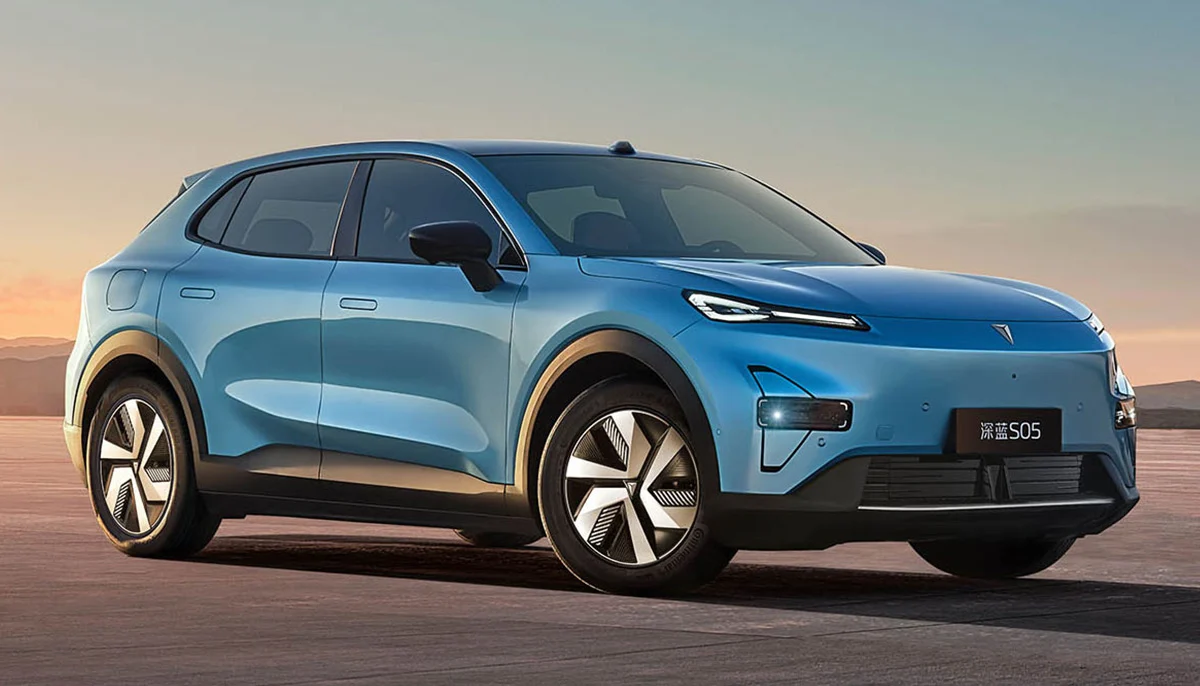
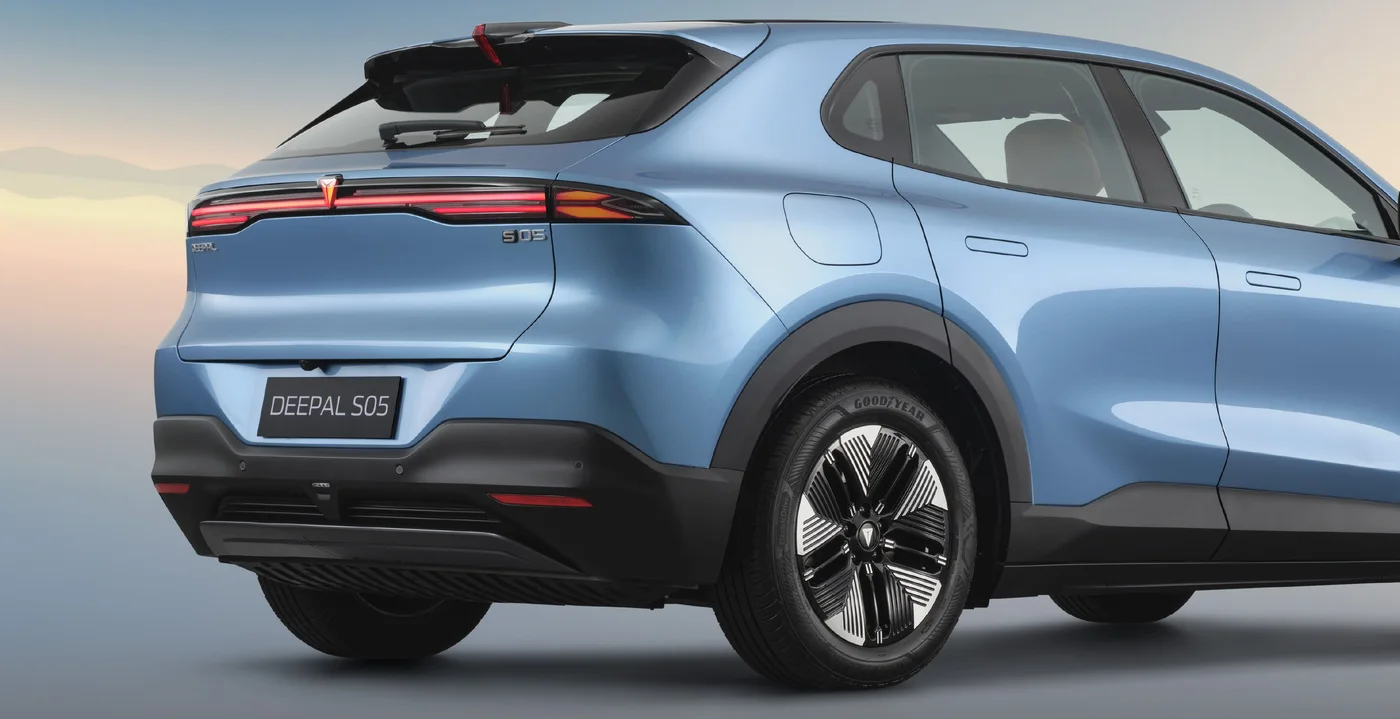
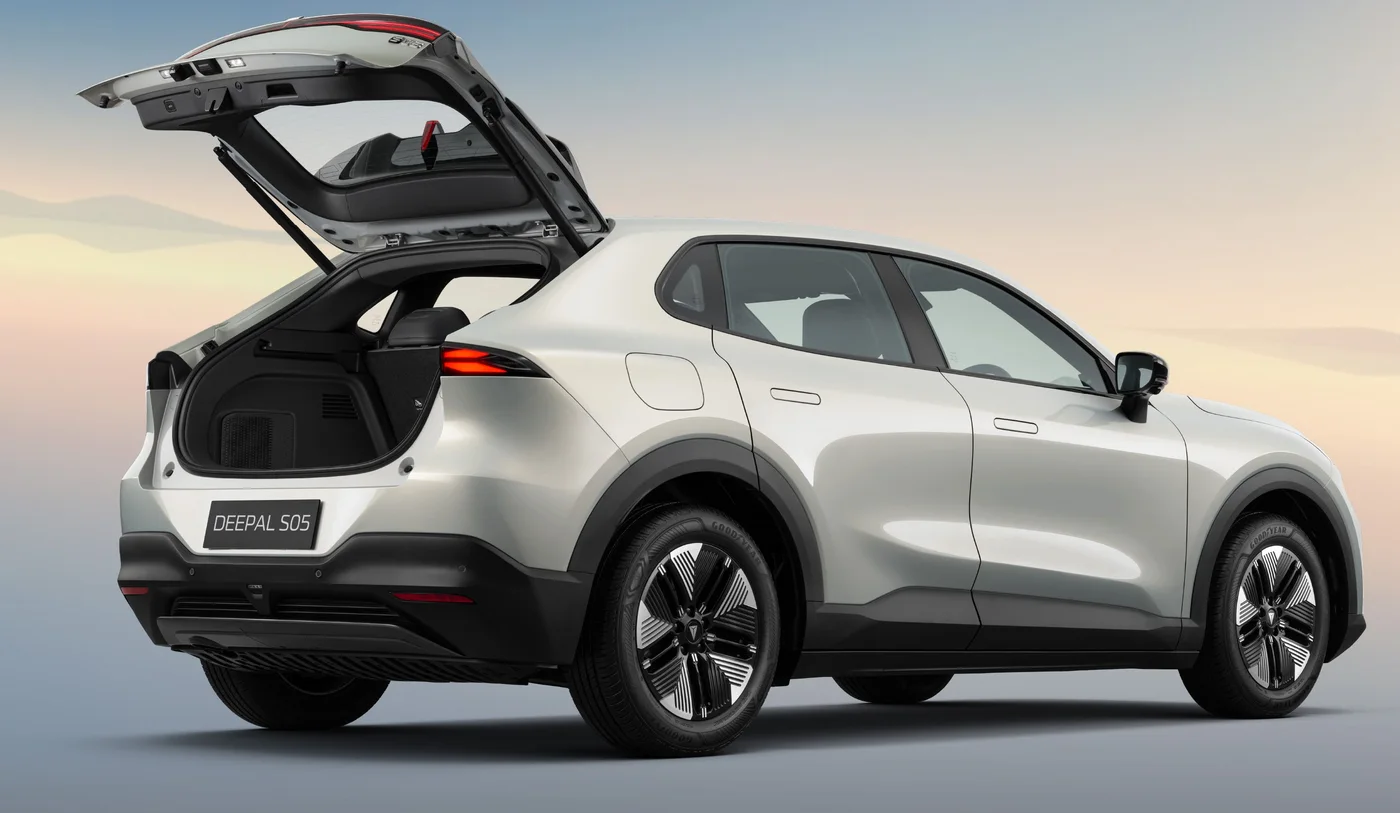
The S05 is the most distinctive shape in its class. A blade of running light sits high on a smooth, closed front, the doors are frameless, and the roofline falls away into a coupe-like tail. It won an iF Design Award in 2025, and it looks more expensive than most rivals parked beside it. At 4.62 metres long and 1.9 metres wide on a 2.88-metre wheelbase, it is a size above the small crossovers, though a 5.75-metre turning radius keeps it manageable in tight streets.
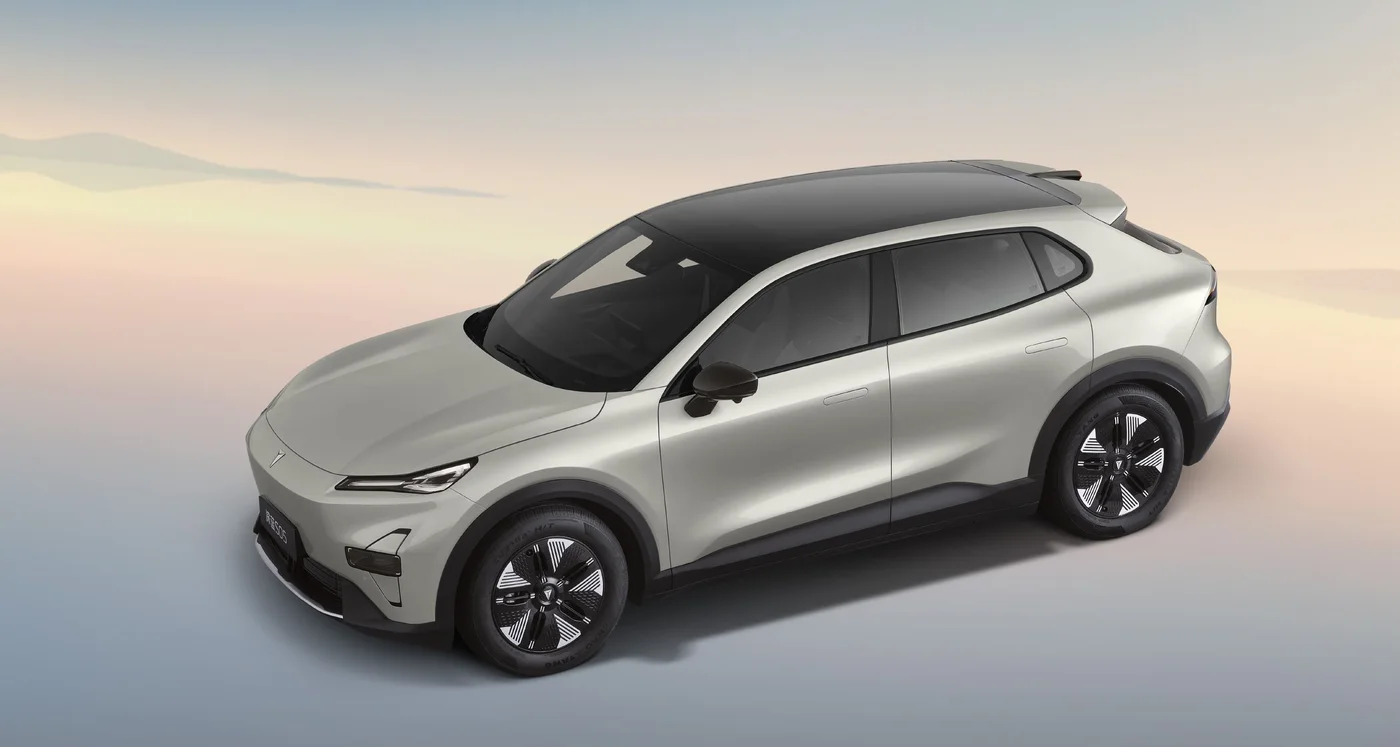
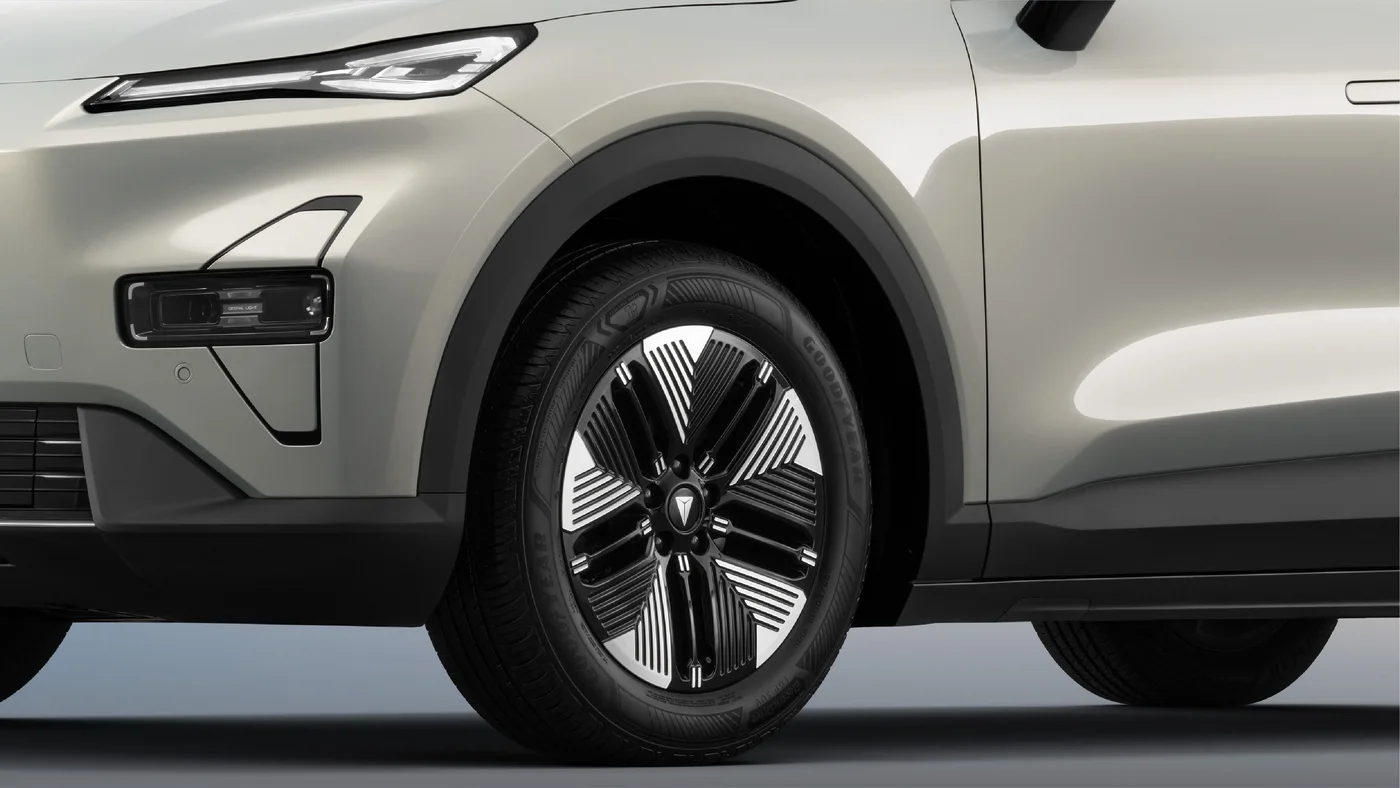
Every S05 rides on 18-inch two-tone alloys. The Max adds electric hidden door handles, a rear wiper and a power tailgate. The Plus is offered in three colours with a black interior; the Max gets five colours, including Andromeda Blue, with a choice of black or orange cabin.
Interior, space and practicality8.0
The cabin is where the S05 earns most of its praise. Soft-touch surfaces cover the dashboard and doors, the perforated synthetic leather looks and feels a class above, and the design is clean without being stark. Hard plastics appear lower down, as they do in most rivals, but most of what you touch feels solid. The orange interior on the Max is bold enough to split opinion; the black suits most tastes.
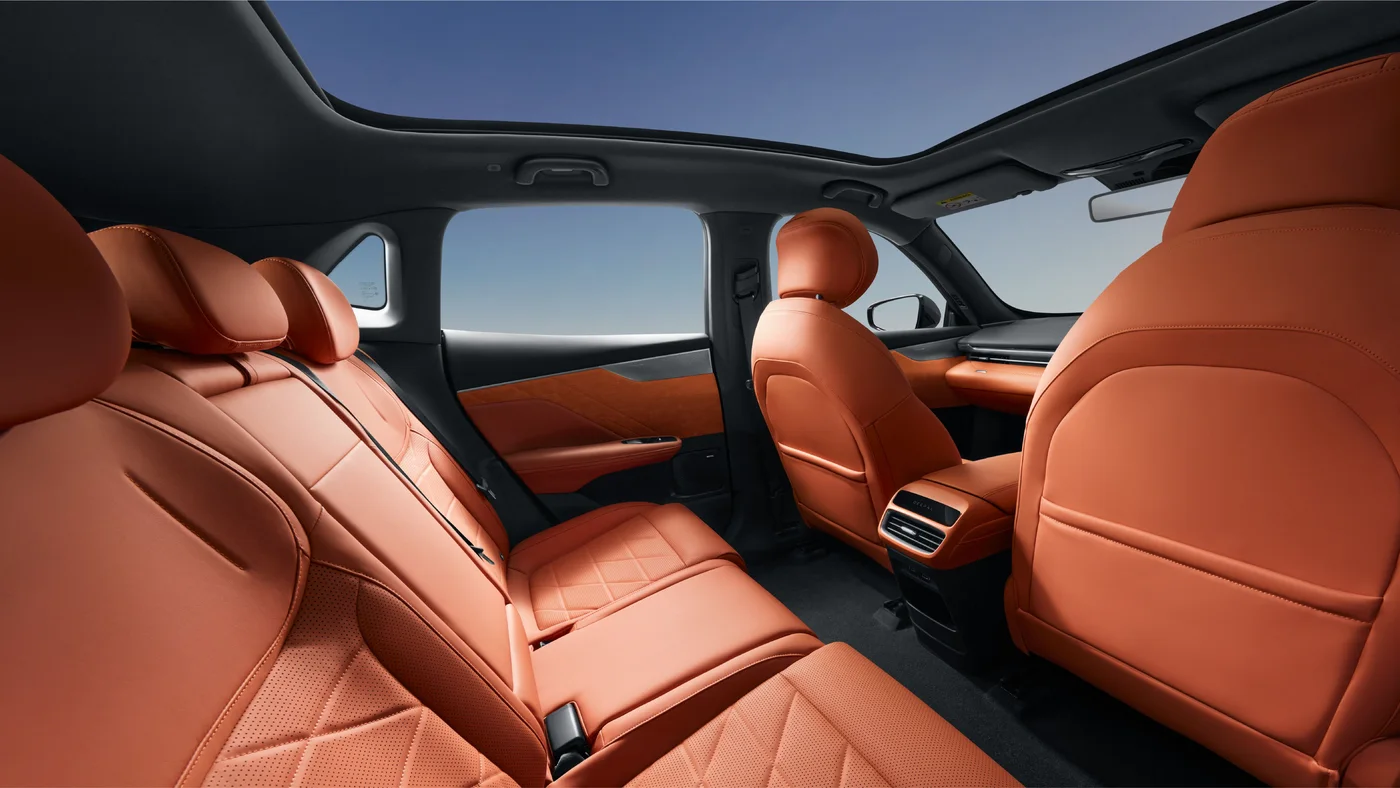
Rear space is good. The long wheelbase gives enough knee room for tall adults, the floor is nearly flat, and the Max's large glass roof adds light. The small gripes are ventilation and storage: the rear gets a single central air vent, and there is no glovebox, with storage limited to an open tray under the floating console and the door bins.
Luggage space is a strength. The boot holds 492 litres with the seats up, the 60:40 rear seat folds for longer loads, and a 159-litre front trunk under the bonnet takes the charging cable and a couple of soft bags.
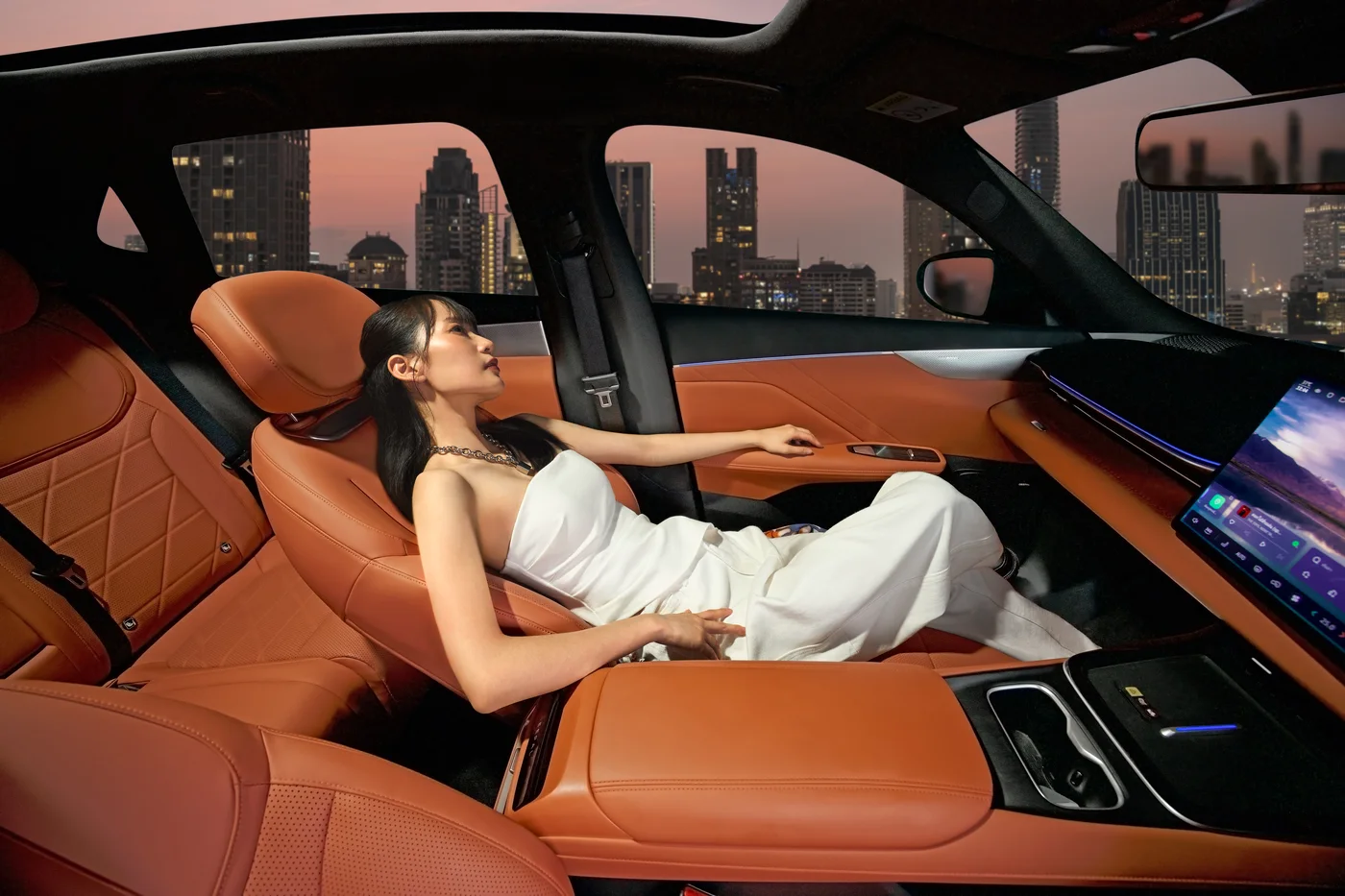
On the Max, the front passenger seat has a powered leg rest that turns it into a reclining lounger when the car is parked, which Deepal calls the Queen Co-pilot seat. It is a gimmick on the move, but a good one during a charging stop.
Features and technology7.0
Both trims centre on a 15.4-inch touchscreen with wireless Apple CarPlay and Android Auto, built-in navigation, 4G and 5G connectivity, a Wi-Fi hotspot and a smart key. Both also get a 360-degree camera with a transparent-chassis view, a built-in dash camera with sentry mode, automatic climate control with a PM2.5 filter, vehicle-to-load and remote parking that drives the car straight in and out of a tight bay while you stand outside.
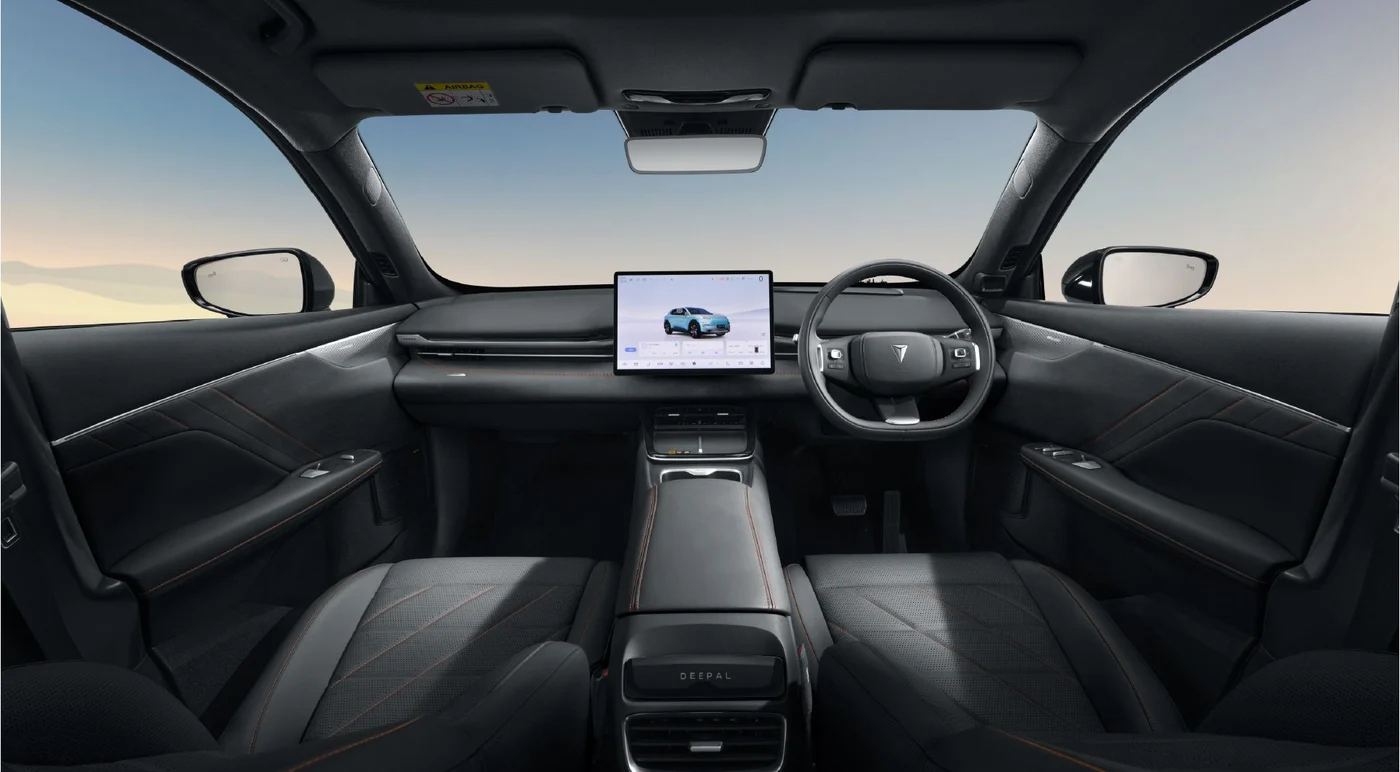
The S05 has no instrument display behind the wheel. On the Max, speed and navigation are projected onto the windscreen by an augmented-reality head-up display, which works well. On the Plus, which has no head-up display, speed appears only in the corner of the central screen, which means glancing left to check it. The screen itself is sharp and quick, but it handles almost everything, including the climate, the mirrors and the drive settings, and adjusting the air-conditioning on the move is more fiddly than it should be. The steering-wheel toggles help, though they feel flimsy.
The Max adds most of the kit that makes the car feel special: the screen rotates between portrait and landscape, the sound system goes from eight speakers to 14 Sony speakers, and the front seats gain heating and ventilation. It also brings 64-colour ambient lighting, a 50W wireless charger, online apps, remote control from the phone app and over-the-air updates, which the Plus does without.
Range, battery & charging
Real-world range8.0
Deepal quotes 470 kilometres on the NEDC cycle, which is a generous test, so treat it as a best case. In mixed Nepali driving the S05 returns roughly 360 to 400 kilometres on a full charge. That is among the better results in its class, helped by a relatively large battery for the car's size and a slippery body. One long hill route in Nepal, with climbs to Gorkha and over the Bhimphedi road, used almost exactly one battery's worth of charge across a little over 400 kilometres.
That is enough for Kathmandu to Pokhara on one charge with a sensible margin, and for a week of valley commuting between charges. Heavy air-conditioning, a full load and sustained fast highway running pull it towards the bottom of that band, while long descents on hill routes hand some charge back.
- Battery
- 56.1 kWh LFP
- Range (NEDC)
- 470 km
- Typical real-world
- 360-400 km
- Airbags
- 4
- Screen
- 15.4-inch, fixed
- Head-up display
- No
- Speakers
- 8
- Battery
- 56.1 kWh LFP
- Range (NEDC)
- 470 km
- Typical real-world
- 360-400 km
- Airbags
- 6
- Screen
- 15.4-inch, rotating
- Head-up display
- AR
- Speakers
- 14 Sony
- Adds
- Glass roof, ventilated seats, blind-spot monitoring
Battery8.0
Both trims use the same 56.1 kWh lithium iron phosphate (LFP) pack, which Deepal calls its Golden Shield battery, with CATL cells. LFP chemistry has a strong record for cycle life and thermal stability, tolerates regular charging to full and suits a hot climate. The battery is covered for eight years or 240,000 kilometres, among the longest terms in Nepal, and an extended programme can stretch that to 11 years or 300,000 kilometres.
Efficiency8.0
Efficiency is good for a car of this size. Expect around 14 to 16 kWh per 100 kilometres in mixed driving, or roughly six to seven kilometres per kWh, helped by the low-drag shape and the modest motor. That puts it ahead of most family SUVs and not far off the smaller, lighter crossovers.
Charging7.0
On paper the charging hardware is quick. The S05 accepts up to 151.5 kW on DC, and Deepal quotes 30 to 80 percent in 15 minutes, a flattering window that starts higher than the usual 10 percent. On AC it takes 7 kW, so a full charge at home is an overnight job of around eight to nine hours. Vehicle-to-load supplies up to 6 kW from the battery, enough to run household appliances during a power cut. The limit is the network: most public DC chargers here deliver 40 to 60 kW, so the same 30 to 80 percent takes roughly 30 to 45 minutes in practice.
Charging availability7.0
MAW, the group behind the distributor, runs its own charging network, with 40 to 60 kW DC points that reach well beyond the main corridors into districts such as Myagdi, Doti and Rukum West. That is broader coverage than most brands can point to, though the chargers are a fraction of what the car can take. Home or office charging should still be the backbone of ownership, and long trips on remote roads need planning.
Performance & driving
Performance6.0
The Nepal-spec motor makes 99 kW and 320 Nm, which is adequate rather than quick for a car of this size. Deepal does not publish acceleration figures for this version; a similar-power version sold abroad with a larger battery is quoted at a little over 11 seconds to 100 km/h, and the lighter Nepal car may be slightly quicker. There is a brief pause off the line, then it pulls smoothly and feels effortless at city speeds. Overtaking a truck on an open highway with a full car needs more room than the livelier overseas versions would.
Driving experience, ride and handling7.0
Rear-wheel drive and an even 50:50 weight balance give the S05 a settled, natural feel, and a multi-link rear axle helps it stay composed on a highway. The suspension is tuned for comfort: it soaks up most broken surfaces well, but the body leans noticeably in quick corners and floats over large crests. The steering is accurate and a little heavier than most EVs, which some drivers will like, but it gives little feedback.
It is quiet around town, with tyre and wind noise rising at highway speeds. The regenerative braking is the weakest part of the driving experience: even the strongest setting is mild, there is no one-pedal mode, and the custom setting is buried in the menus. Drive modes cover Eco, Comfort, Sport and a custom mode.
Hill performance7.0
The S05 handles Nepal's climbs well. With weight shifting onto the driven rear wheels, it pulls cleanly up steep, broken gradients without the wheelspin a front-driven car can show, and 320 Nm of torque from standstill makes hairpins easy. It has been driven up the Gorkha and Bhimphedi roads without trouble. On the way down, the mild regeneration means the brakes do more of the work than in some rivals, though hill descent control is standard and disc brakes are fitted all round.
Road tolerance6.0
Ground clearance is roughly 170 millimetres unladen, adequate for city streets and highways but less than several rivals, and it drops with a full load. The soft suspension helps on broken tarmac, but the long 2.88-metre wheelbase means large speed breakers and steep driveway ramps need care. The 360-degree camera's transparent-chassis view is useful here, showing what sits under the front wheels. It copes with everyday Kathmandu patchwork but is better on paved roads than rutted village tracks.
Safety & build
Safety8.0
The European-market S05 holds a five-star Euro NCAP rating from 2025, with 94 percent for adult occupant protection and 87 percent for child protection. Every Nepal car gets ESP, a 360-degree camera, hill hold and hill descent control, and a driver-assist suite with adaptive cruise, lane centering, traffic jam assist, autonomous emergency braking, lane-keeping and traffic sign recognition.
The trim split matters here. The Plus has four airbags, front and front side, and does without side curtain airbags, blind-spot detection, rear cross-traffic alert and braking, lane-change assist, safe exit warning and driver fatigue monitoring, all of which the Max adds. The crash-tested car had curtain airbags, so the rating fits the Max more closely than the Plus. The assist systems can be over-eager with warnings, though they are easy to switch off.
Build quality and reliability7.0
The S05 feels well put together, and its cabin finish is a match for more established brands. In China it topped its segment of the 2026 J.D. Power initial quality study for electric SUVs, and no recalls have been reported for the model. The caveats are the brand's short history and its software, which needed early fixes in some markets. Over-the-air updates come only on the Max.
Value & ownership
Price and value7.0
The S05 sits at the upper end of the family electric SUV bracket, and it justifies most of that with its design, cabin finish, five-star rating and one of the longer real-world ranges in its class. The Plus covers the essentials but gives up curtain airbags and several driver assists, which makes it harder to pick over cheaper rivals with similar kit. The Max is the more complete package, though neither trim is a bargain against the class leaders.
Ownership cost8.0
Running costs are low, as with any EV: electricity costs far less per kilometre than petrol, and the drivetrain needs little routine service. The battery and motor are covered for eight years, and the extended programme can take them to 11 years. The condition is that the car must be serviced only at authorised centres and stay insured continuously with the insurer the distributor names; switching insurer ends the extended cover.
After-sales support7.0
MAW Vriddhi is a large, established automotive group, and it opened a dedicated EV workshop in Lalitpur in 2026 with nine bays, EV-trained technicians, battery diagnostics, a parts store and 24-hour breakdown help. There are no widespread owner complaints about service, but the brand has been in Nepal only a short time, so its long-term record on parts supply and repairs is still being built.
Service outside Kathmandu6.0
Deepal dealers now operate in Pokhara, Butwal, Itahari, Birgunj, Birtamod and Nepalgunj, though only the Birgunj and Birtamod sites are confirmed to include service. That covers the main Terai and hill cities, but workshop coverage outside the valley is thinner than the showroom list suggests, so owners far from those cities face a long trip for anything beyond routine care.
Verdict
The Deepal S05 is a striking, comfortable and well-finished electric SUV that does most things well. Its cabin feels premium, the 492-litre boot and front trunk make it genuinely practical, and a real-world range of roughly 360 to 400 kilometres makes long trips easy by Nepali standards. Rear-wheel drive helps on steep climbs, the five-star rating is reassuring, and a long battery warranty and the distributor's own charging network make ownership easier. The compromises are real, though: the 99 kW motor is steady rather than quick, nearly every control runs through the screen with no driver display, the soft suspension leans and floats, and the Plus gives up curtain airbags and blind-spot monitoring. For a family that wants space, range and style in one package, it is one of the strongest electric SUVs on sale in Nepal.
Good
A striking, roomy and well-finished electric SUV with one of the longer real-world ranges in its class, held back by modest pace, screen-heavy controls and a thinly equipped Plus.
Kushal Rajbhandari
Sep 25, 2026
A striking, roomy and well-finished electric SUV with one of the longer real-world ranges in its class, held back by modest pace, screen-heavy controls and a thinly equipped Plus.
Kushal Rajbhandari
Sep 25, 2026
FAQ
What is the real-world range of the Deepal S05 in Nepal?
The S05 is rated at 470 kilometres on the NEDC cycle. In mixed Nepali driving expect roughly 360 to 400 kilometres from its 56.1 kWh battery, less with a full car, the air-conditioning running and sustained highway speeds.
What is the difference between the Deepal S05 Plus and Max?
Both share the same battery, motor and range. The Max adds side curtain airbags for a total of six, blind-spot detection, rear cross-traffic alert, driver fatigue monitoring, an AR head-up display, a rotating screen, a panoramic glass roof with a sunshade, ventilated and heated front seats, a powered passenger leg rest, 14 Sony speakers, a power tailgate, wireless charging and over-the-air updates. The Max is also offered with an orange interior.
How long does the Deepal S05 take to charge?
On a 7 kW AC charger a full charge takes around eight to nine hours. On DC the car accepts up to 151.5 kW and is quoted at 30 to 80 percent in 15 minutes, but most Nepali fast chargers deliver 40 to 60 kW, so expect the same 30 to 80 percent to take roughly 30 to 45 minutes.
How powerful is the Deepal S05 in Nepal?
The Nepal-spec car has a 99 kW, 320 Nm motor driving the rear wheels, a softer tune than the more powerful versions sold in Europe and Thailand. It is smooth and relaxed rather than quick.
Is the Deepal S05 safe?
The European-market S05 holds a five-star Euro NCAP rating, and every Nepal car gets adaptive cruise, lane centering, autonomous emergency braking and a 360-degree camera. The Plus has four airbags; the Max has six, adding side curtain airbags along with blind-spot detection and rear cross-traffic alert.
What is the warranty on the Deepal S05 in Nepal?
The battery is covered for eight years or 240,000 kilometres and the motor for eight years or 150,000 kilometres. An extended programme stretches these to 11 years, or 300,000 kilometres for the battery and 200,000 kilometres for the motor, provided the car is serviced at authorised centres and insured continuously with the distributor's partner insurer.
What are the main drawbacks of the Deepal S05?
Modest acceleration from the 99 kW motor, controls that rely almost entirely on the touchscreen, no driver display, a soft suspension that leans in corners, weak regenerative braking, no glovebox, and a Plus trim that misses curtain airbags and blind-spot monitoring.