

Chery iCAUR review

Kushal Rajbhandari
· Oct 4, 2026
Good
A characterful, high-clearance EV with a big LFP battery and five-star safety, held back by a small boot and range that trails its rivals.
Kushal Rajbhandari
Oct 4, 2026
A characterful, high-clearance EV with a big LFP battery and five-star safety, held back by a small boot and range that trails its rivals.
Kushal Rajbhandari
Oct 4, 2026
What we like
- 205 mm unladen ground clearance with 42 and 41 degree approach and departure angles for broken roads and steep driveways
- Distinctive retro off-roader styling with round lamps, side steps and a tailgate box
- Large 59.93 kWh CATL LFP battery with warranty extendable to 11 years
- Five-star ASEAN NCAP rating, six airbags and a 12-function ADAS suite
- Comfort-biased ride, light steering and a tight 5.85 m turning circle
- 16 sales and service dealers, 12 outside the valley, plus 20 iCAUR charging stations
What could be better
- Boxy body cuts real-world range to a little over 300 km and adds highway wind noise
- Small 234-litre boot and side-hinged tailgate that needs room to swing
- No glovebox, rear AC vents, rear wiper or wireless charging
- Rear-wheel drive on road tyres, so deep mud is beyond it despite the looks
- 100 kW feels modest with four aboard on overtakes and long climbs
- Early cars lacked a driver display; all readouts sit on a screen that can wash out in sunlight
The iCAUR V23 looks like a shrunken classic off-roader, sits 205 mm off the road, carries a big 59.93 kWh LFP battery and holds a five-star ASEAN NCAP rating. Most buyers will choose it for the looks, and the clearance makes that easy to justify on Nepali roads. In return you accept a small boot, a boxy body that trims real-world range to a little over 300 km, and modest pace once the cabin is full.
Nepal gets one version: a single-motor, rear-wheel-drive car with 100 kW and 180 Nm, sold by SPG Automobiles, the Sharda Group house that also handles Omoda and Jaecoo. There is no four-wheel-drive option here, so the rugged styling promises more than the drivetrain delivers off the tarmac. On broken roads and steep village tracks, though, the geometry earns its keep.
It suits a city buyer or a small family who wants something with real character, values clearance over outright range, and rarely fills the boot. If you need the most kilometres per charge or a big luggage area for long family trips, the mainstream crossovers in this segment do those jobs better.
Design, interior & features
Design and exterior8.0
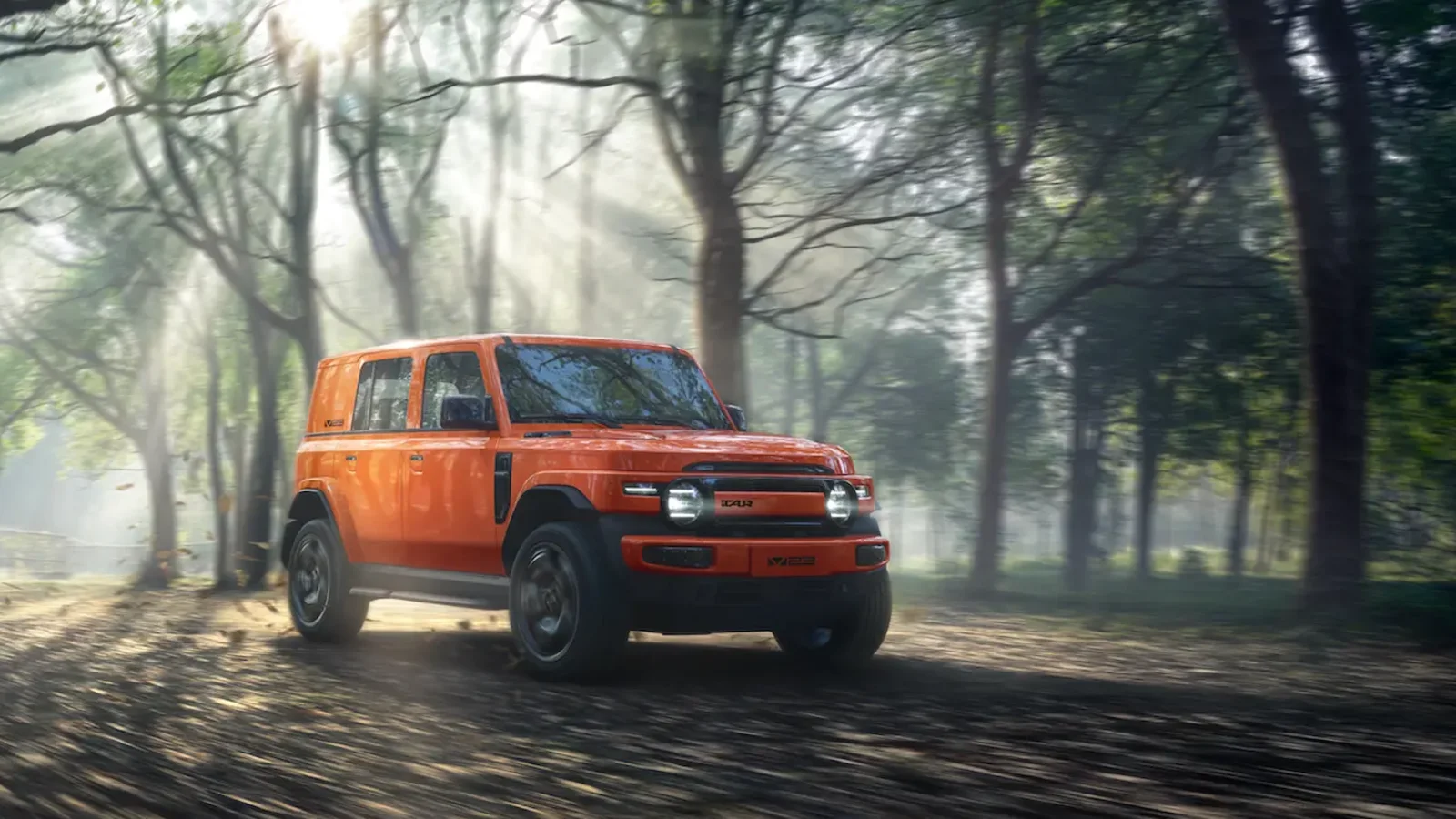
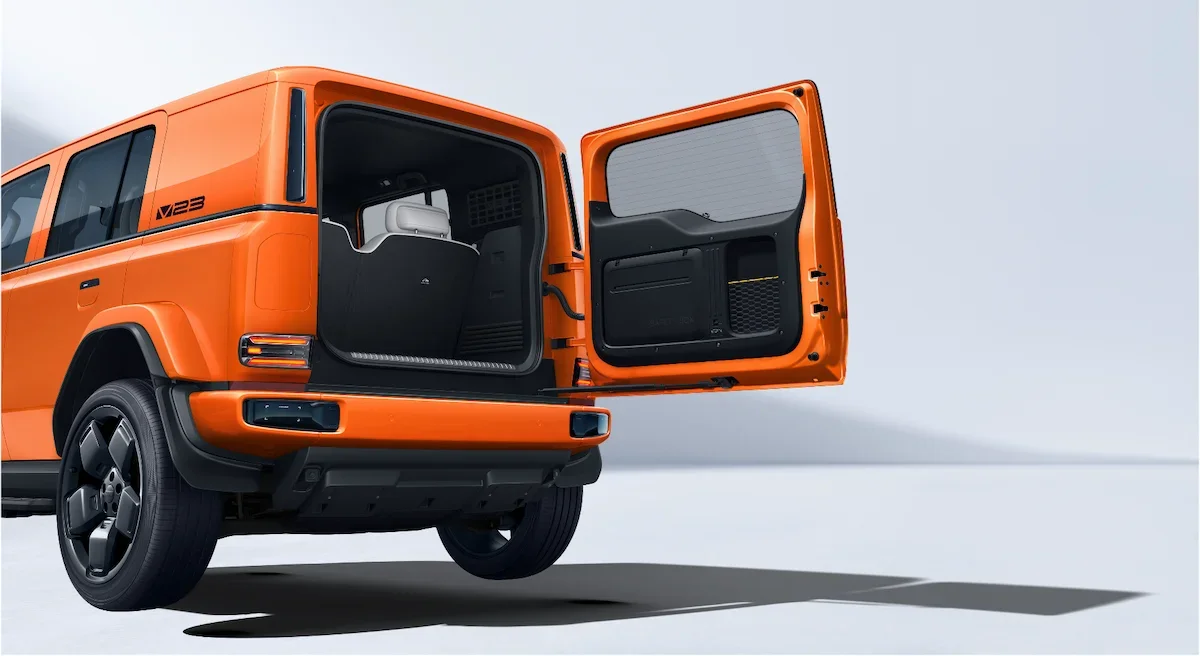
The square body, round LED headlamps, flat bonnet, chunky side steps and the external box on the side-hinged tailgate give it a toy-like charm that draws a crowd in a car park. At 4,220 mm long it is compact, but its 1,915 mm width and 1,845 mm height make it look and feel far bigger than the footprint suggests.
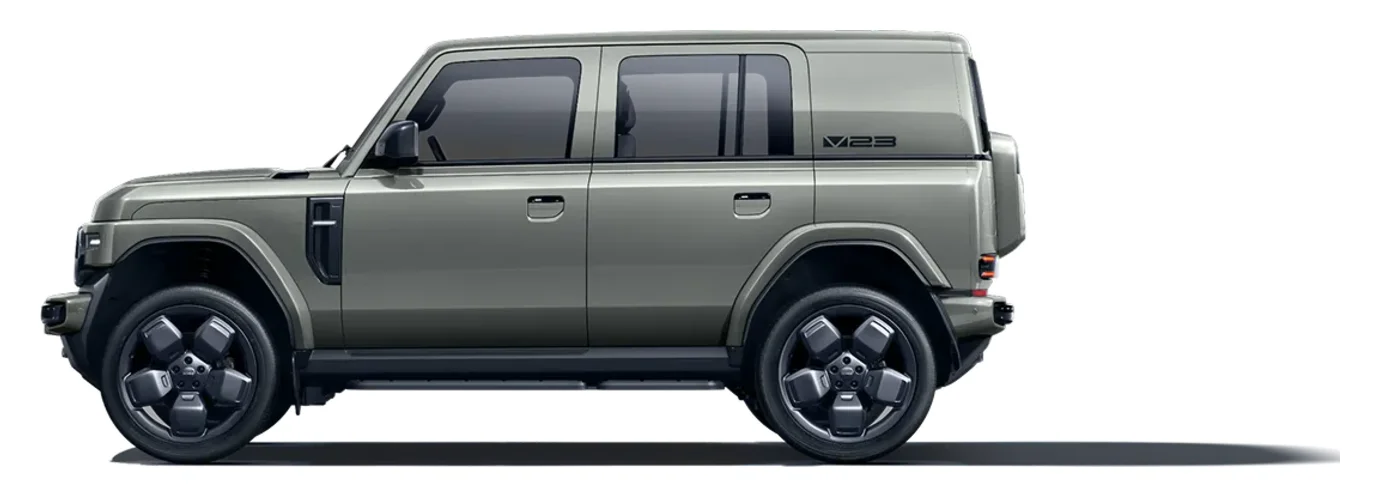
Short overhangs give a 42-degree approach and 41-degree departure angle, the body is more than 70 percent high-strength steel, and the tailgate carries a small 14.7-litre box, handy for a tyre repair kit or muddy gear.
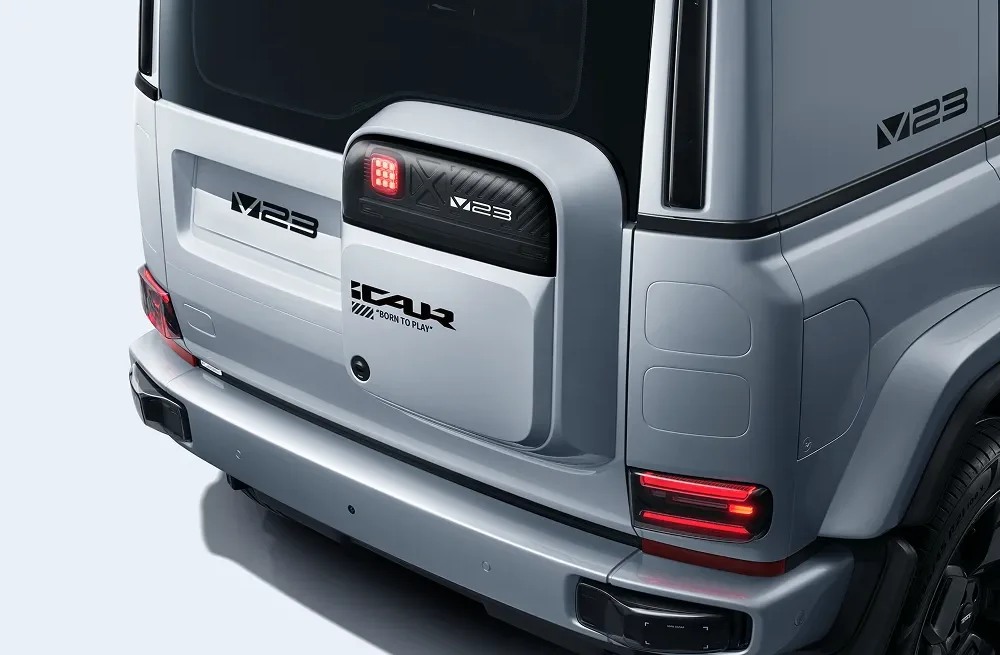
The upright windscreen and square edges add wind noise at highway speed and hurt efficiency, and owners have flagged the side mirrors as small for a car this wide.
Interior, space and practicality6.0
Inside, the tall roof and upright glass give excellent headroom and a commanding view out, and rear legroom is generous for the length. Front occupants get powered, ventilated faux-leather seats, and both front seats recline fully to create a flat lounging space when parked.
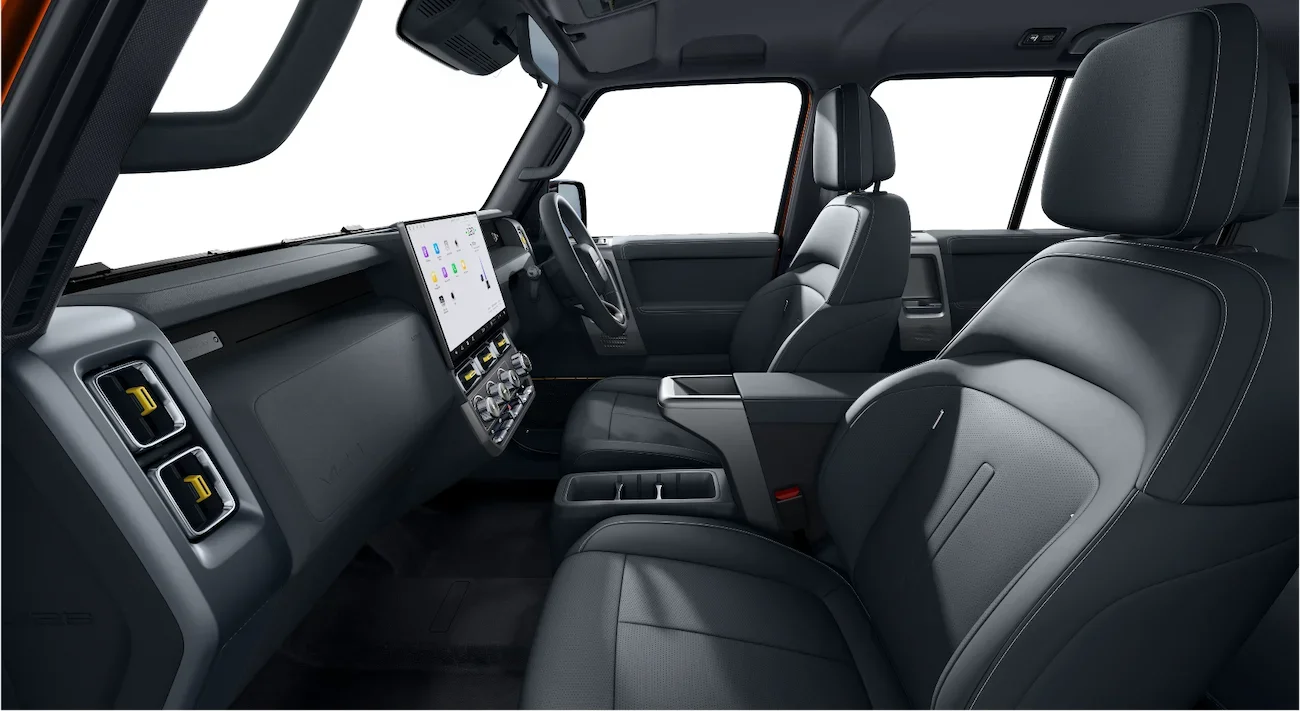
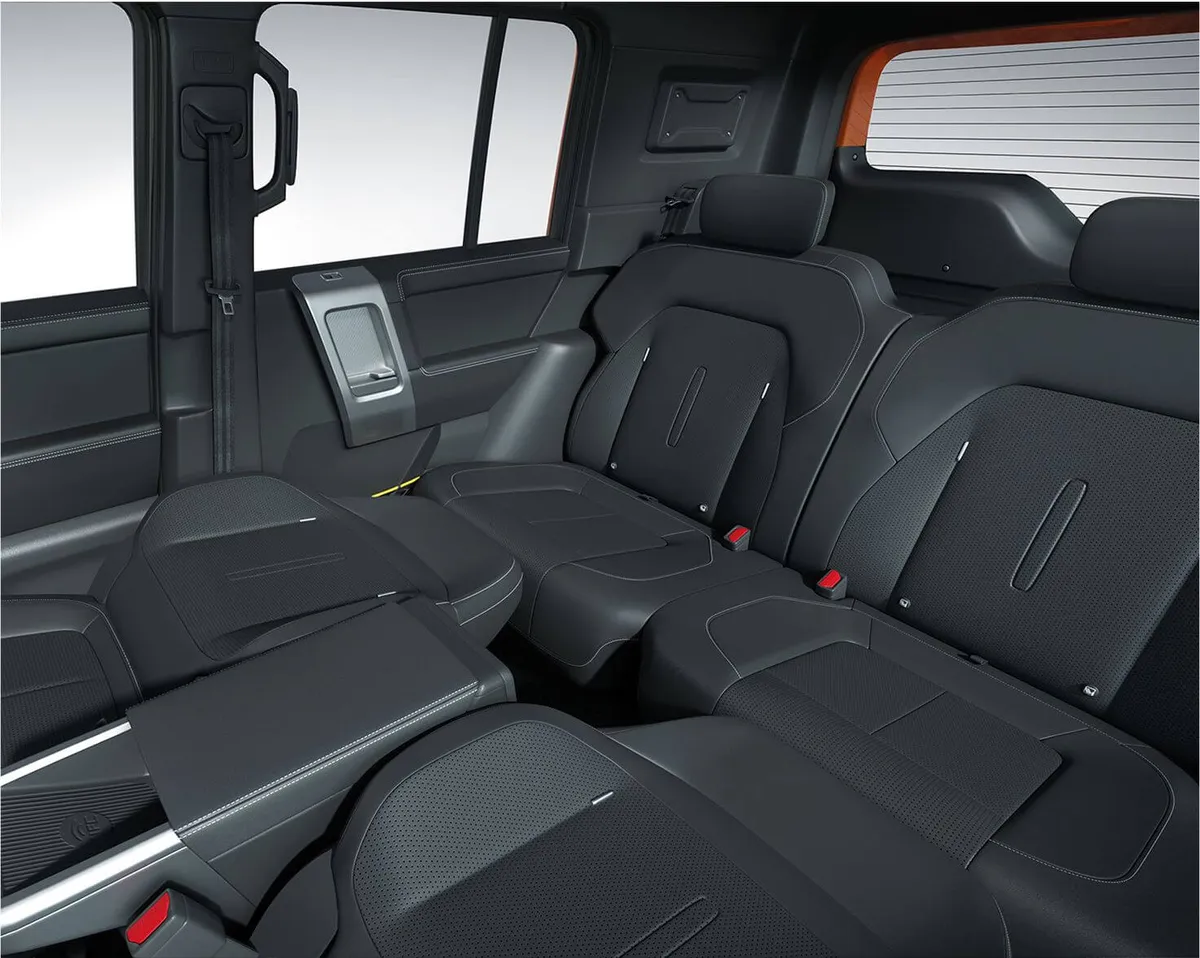
The boot holds only 234 litres with the rear seats up, rising to 744 litres with them folded, which is well short of the crossover rivals. The side-hinged tailgate needs space behind the car to swing open. The rear bench is best for two adults; the middle seat suits a child. Some basics are missing too: there is no glovebox, no rear air-conditioning vents and no rear wiper.
Features and technology7.0
The cabin is built around a 15.4-inch central touchscreen running on a Snapdragon 8155 chip, with wireless Apple CarPlay and Android Auto. It responds quickly, but it carries the speedometer and every other driving readout too: early Nepal cars came without a separate driver display, and later shipments reportedly add a small unit. The screen can also wash out in strong sunlight.
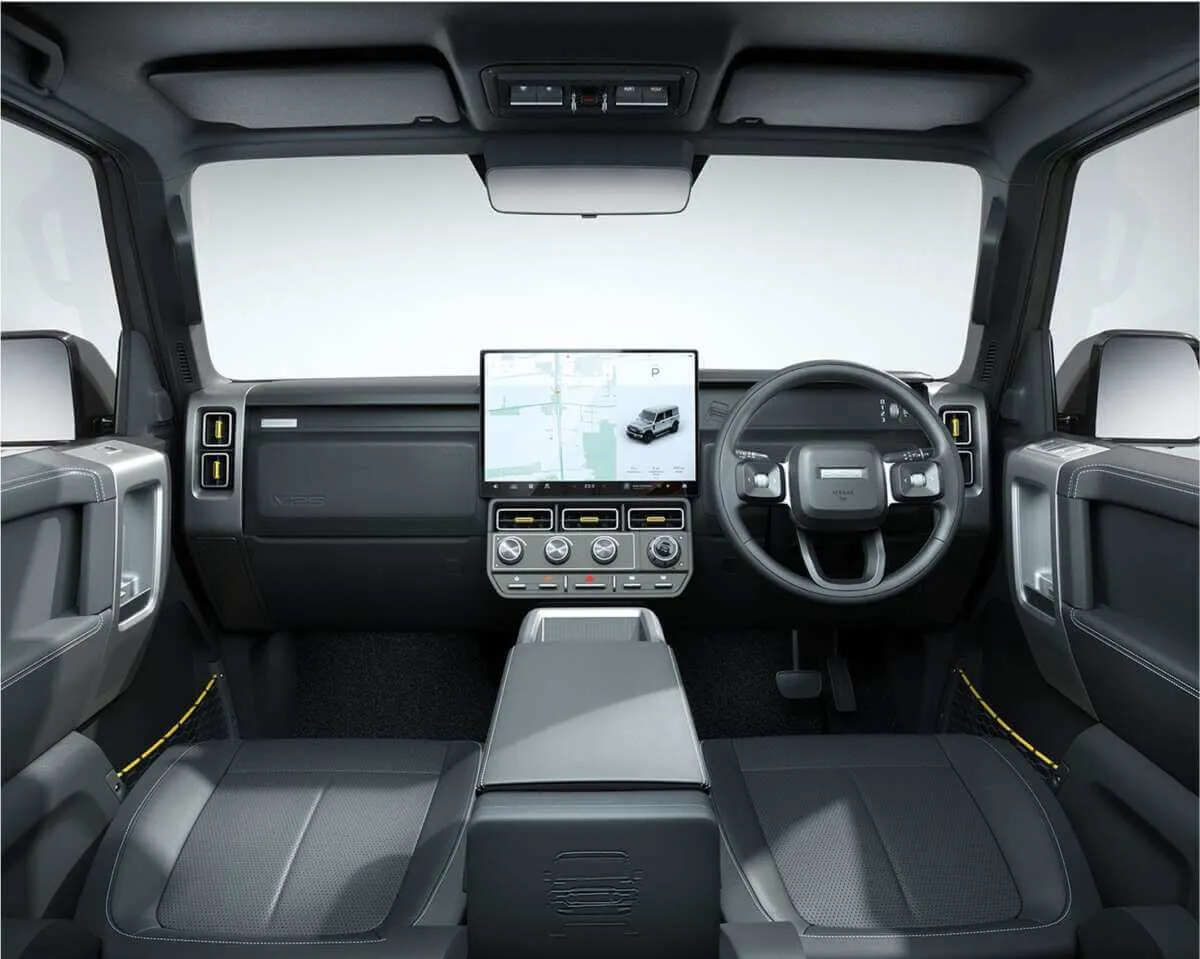
Physical controls are a relief in a segment that buries everything in menus. The kit list is generous: a 540-degree camera with a see-through view under the car, a built-in dashcam, an off-road display showing pitch and roll, keyless entry with walk-away locking, an NFC card key and seven speakers. Missing items include wireless phone charging and a sunroof.
Range, battery & charging
Real-world range6.0
The V23 is rated at 360 km on the NEDC cycle, and Nepali marketing often quotes 401 km, which is the figure on China's more lenient CLTC cycle. Real use in Nepal lands at a little over 300 km. A Pokhara to Kathmandu run and a 3,900 km four-up ownership stint both point to about 300 to 330 km from a full charge.
That is enough for a week of valley commuting or a Kathmandu to Pokhara leg with a margin, but it trails rivals that turn similar or smaller batteries into more kilometres. The boxy shape is the reason, and it bites hardest at highway speed.
Battery8.0
The 59.93 kWh lithium iron phosphate pack is a CATL unit, and it is large for the segment. LFP chemistry tolerates regular charging to 100 percent and ages slowly, which suits Nepali buyers who keep cars for a decade.
The battery is covered for 8 years or 180,000 km and the motor for 8 years or 160,000 km, and SPG extends both to 11 years (240,000 km for the battery, 200,000 km for the motor), provided the car stays insured with its partner insurer and is serviced at authorised centres.
Efficiency and running cost6.0
Expect around 17 to 19 kWh per 100 km in mixed driving, and more at sustained highway speed, which is why real-world range settles at 300 to 330 km. The climb from Mugling to Kathmandu ran at about 18, while the mostly downhill stretch from Pokhara to Mugling dropped it near 11 thanks to regeneration.
Running costs are still far below a petrol SUV's, and the long warranty limits the risk of a big repair bill. The 19-inch 255/55 tyres are a common size, though replacements will cost more than the 17-inch rubber on smaller EVs.
Charging7.0
DC charging peaks at 85 kW, and a 30 to 80 percent top-up takes about 30 minutes on a fast enough charger. On real Nepali units it has pulled about 80 kW from a 120 kW charger and 58 kW from a 60 kW one, so it uses what the network offers. AC charging runs at 6.6 kW, which means a full overnight charge at home.
- Battery
- 59.93 kWh LFP
- Range (NEDC)
- 360 km
- DC peak
- 85 kW
- 30-80% DC
- About 30 min
- AC
- 6.6 kW
Vehicle-to-load is standard, so the car can power a kettle or lights at a campsite, and a portable three-pin charger comes in the box.
Charging availability7.0
iCAUR lists 20 charging stations for its owners, with clusters in Kathmandu, Pokhara and Chitwan and single sites along the main corridors, from Biratnagar and Birgunj to Sindhuli, Butwal, Nepalgunj and even Mustang. Recent festival and auto show offers have included a free 7 kW home wallbox. Outside that, it relies on the national and private DC network, like every EV here.
Performance & driving
Performance and hill climbing6.0
With 100 kW and 180 Nm moving 1,710 kg, the V23 takes about 11 seconds to reach 100 kmph and tops out at 140 kmph. It feels livelier than that number in town, where the instant torque gets it off the line briskly, but with four people aboard it starts to feel short of breath on overtakes and pulls more slowly on long climbs.
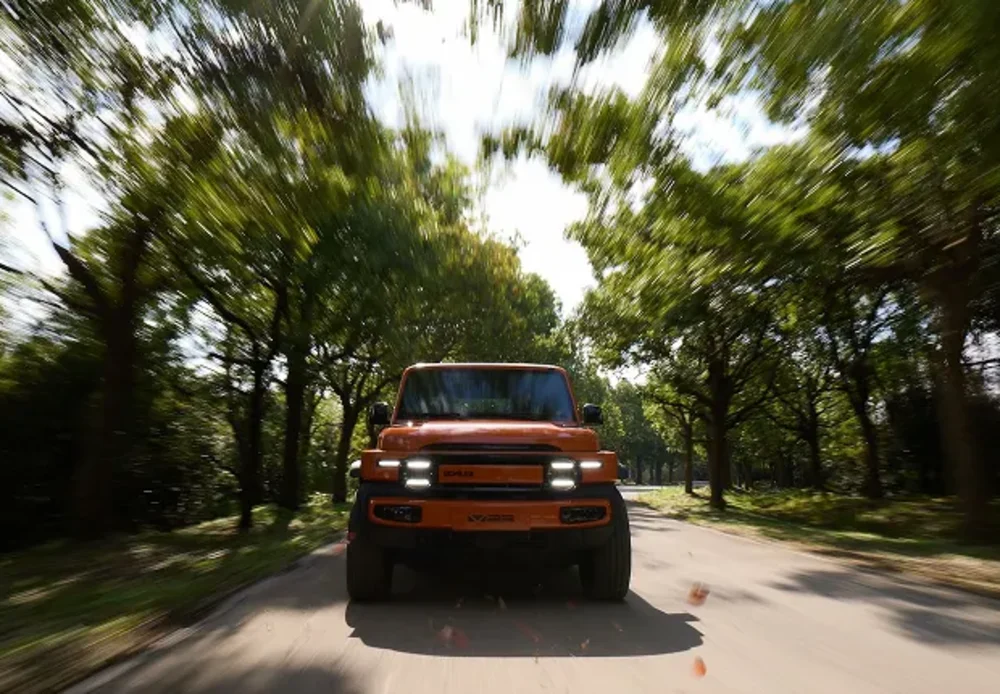
It still gets up sustained climbs such as Phulchowki and the run up from Mugling, just with less in reserve when the cabin is full, and hill hold and hill descent control are standard. One reported quirk: regeneration can cut out briefly over potholes, so keep a foot near the brake on rough descents.
Driving experience, ride and handling7.0
The ride is set up for comfort. It soaks up broken tarmac and speed breakers well, and the rear is softer than the front. The trade-off is noticeable body lean in faster corners. Steering is light and the 5.85-metre turning circle makes tight streets and U-turns easy.
Road noise is well suppressed, but the flat windscreen and square mirrors let in wind noise above highway speeds, and the tall body is more affected by crosswinds than a lower crossover.
Road tolerance8.0
Unladen ground clearance is 205 mm (167 mm fully loaded), the approach and departure angles are 42 and 41 degrees, and it can wade through 600 mm of water. Several crossover rivals sit at around 200 mm, so the bigger gain is the angles: the short overhangs keep the bumpers clear on steep driveways and rutted village tracks, and the wading depth covers most monsoon puddles.
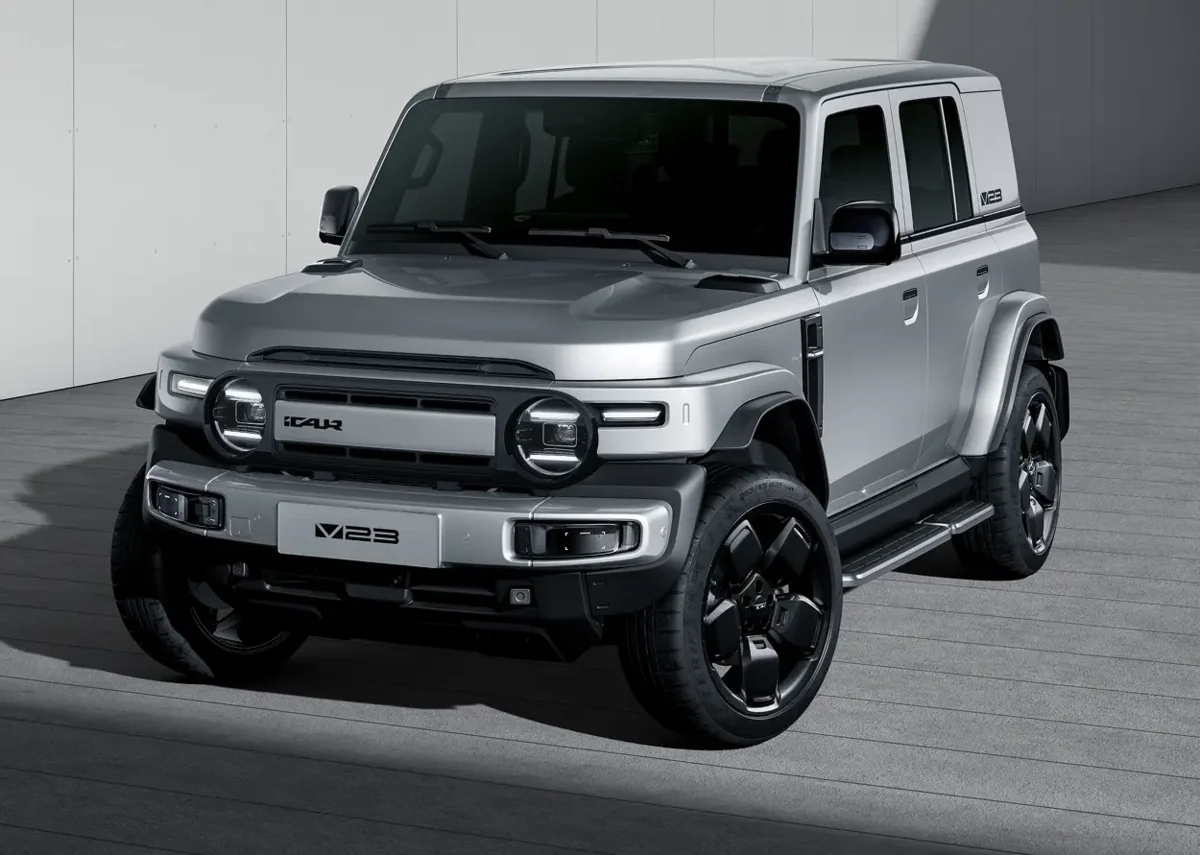
It is rear-wheel drive only on road-biased tyres, and in deep monsoon mud on Phulchowki the stock rubber struggled for grip. Traction control does a good job on loose climbs and all-terrain tyres would help, but deep mud is beyond it.
Safety & build
Safety8.0
The V23 scored five stars from ASEAN NCAP in late 2025, with 91.02 points. Six airbags are standard, along with a 12-function driver assistance suite that includes autonomous emergency braking, adaptive cruise control, lane departure prevention, blind-spot detection, rear cross-traffic alert, door opening warning and traffic jam assist. Four parking sensors at each end and the 540-degree camera make it easy to place in tight spots.
Build quality and reliability7.0
Reviewers describe it as solid and well assembled, with no reported recalls or fault patterns so far, and a 3,900 km Nepali ownership test produced complaints about missing features but no faults. Material quality divides opinion: some surfaces are soft and stitched, others are hard plastic.
The brand is new in Nepal and long-term reliability is unproven. Early shipments arrived without a driver display and with small mirrors, which iCAUR has reportedly addressed on later batches.
Value & ownership
Price and value7.0
For the money, the V23 has a large battery, a strong safety rating, ventilated seats, a 540-degree camera and an 11-year powertrain warranty, plus rare looks and rough-road ability. Against that, a buyer gives up range, boot space and some cabin conveniences compared with the mainstream crossovers at a similar price. It is fair value if the design and clearance matter to you, and middling if they do not.
After-sales and service network7.0
SPG lists 16 sales and service dealers for iCAUR, four in the Kathmandu valley and twelve outside it, from Biratnagar and Birtamode in the east to Dhangadhi and Surkhet in the west, shared with the Omoda and Jaecoo network. That reach beats many newer EV brands. The open question is depth: the brand is young here, so parts stocks and technician experience are still building.
Editor's opinion7.0
As a pure transport choice, the Deepal S05 does the sensible things better, with more range, a bigger boot and stronger performance. The iCAUR V23 earns its place on character and clearance, backed by a top-tier safety rating and a long powertrain warranty. We would recommend it to buyers who want a car they enjoy looking at every day and can accept less range and boot space than the S05.
Verdict
The iCAUR V23 has more personality than anything else in its segment, and the 205 mm clearance and short overhangs make it more useful on Nepali roads than its toy-like looks suggest. The big LFP battery, five-star ASEAN NCAP score and 11-year powertrain cover make it a reassuring buy from a new brand. The boxy body is the main trade-off: it holds real-world range to a little over 300 km and adds wind noise at speed. A 234-litre boot, no glovebox and no rear vents make it a weaker family car than the crossovers it competes with. It is easiest to recommend to a couple or a small family who drive rough roads often and rarely load the boot for long trips.
Good
A characterful, high-clearance EV with a big LFP battery and five-star safety, held back by a small boot and range that trails its rivals.
Kushal Rajbhandari
Oct 4, 2026
A characterful, high-clearance EV with a big LFP battery and five-star safety, held back by a small boot and range that trails its rivals.
Kushal Rajbhandari
Oct 4, 2026
FAQ
What is the real-world range of the iCAUR V23 in Nepal?
Expect about 300 to 330 km in mixed driving. It is rated at 360 km on NEDC, and the 401 km figure often quoted is on China's more lenient CLTC cycle.
Is the iCAUR V23 four-wheel drive in Nepal?
No. Nepal gets only the single-motor, rear-wheel-drive version with 100 kW and 180 Nm. It has good off-road geometry and hill descent control, but it is not a true four-wheel-drive off-roader.
What is the ground clearance of the iCAUR V23?
It is 205 mm unladen and 167 mm fully loaded, with 42-degree approach and 41-degree departure angles and a 600 mm wading depth.
How fast does the iCAUR V23 charge?
DC charging peaks at 85 kW, and a 30 to 80 percent top-up takes about 30 minutes on a fast enough charger. AC home charging runs at 6.6 kW.
What warranty does the iCAUR V23 get in Nepal?
The battery is covered for 8 years or 180,000 km and the motor for 8 years or 160,000 km. SPG extends this to 11 years (240,000 km battery, 200,000 km motor) if the car stays insured with its partner insurer and is serviced at authorised centres.
How big is the boot?
The boot holds 234 litres with the rear seats up and 744 litres with them folded, plus a 14.7-litre box on the tailgate. That is small for the segment.
Where can I get the iCAUR V23 serviced?
SPG lists 16 iCAUR sales and service dealers, four in the Kathmandu valley and twelve outside it, including Pokhara, Biratnagar, Butwal, Nepalgunj and Dhangadhi.