

Tata Nexon EV review

Kushal Rajbhandari
· Oct 3, 2026
Good
Loaded with equipment and backed by 5 star safety and Nepal's widest service network, the Nexon EV is held back by a tight rear seat and patchy software.
Kushal Rajbhandari
Oct 3, 2026
Loaded with equipment and backed by 5 star safety and Nepal's widest service network, the Nexon EV is held back by a tight rear seat and patchy software.
Kushal Rajbhandari
Oct 3, 2026
What we like
- 5 star Bharat NCAP rating with six airbags, stability control, a 360 degree camera and blind spot view as standard
- Long standard equipment list: panoramic sunroof, ventilated front seats, nine-speaker JBL audio, V2L and V2V
- 190 mm ground clearance and a sub-four-metre body suit tight lanes and broken roads
- 98 kW motor is brisk in traffic, with paddle-set regen that allows near one-pedal driving
- 60 kW DC charging does 10 to 80 percent in about 40 minutes on a fast enough charger
- Sipradi's sales, service and charging network is the widest of any EV brand in Nepal
What could be better
- Firm low-speed ride thumps over potholes and broken city streets
- Low rear bench lacks thigh support, and the 350 litre boot is smaller than most rivals'
- Sipradi's own DC chargers are 30 kW units, so the 60 kW charging capability often goes unused
- Touch-based climate panel is easy to brush by mistake, and the infotainment can lag or freeze
- Hard plastics and uneven fit and finish next to similarly priced Chinese rivals
- No driver assistance features such as lane keeping or automatic emergency braking in Nepal
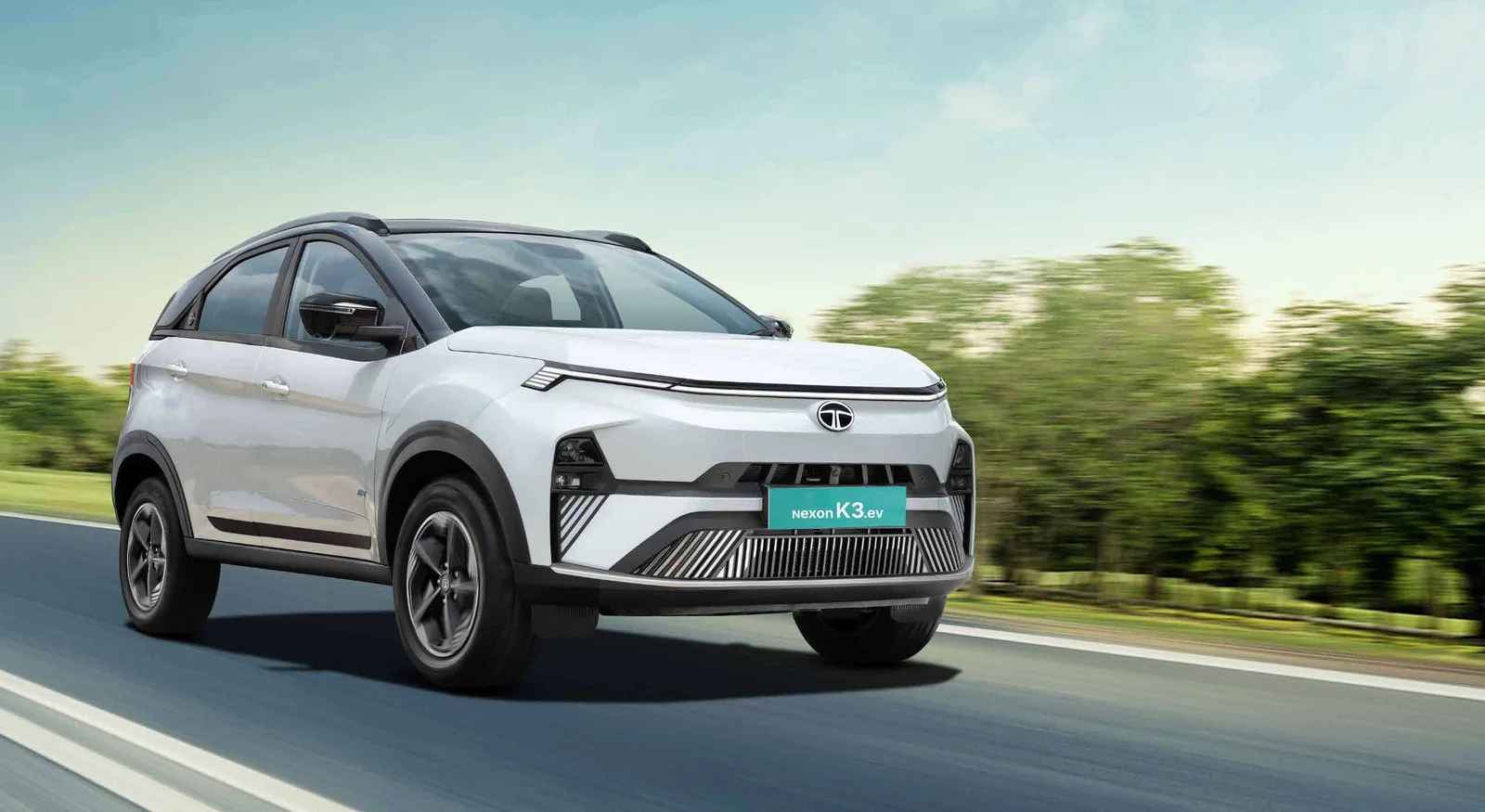
The Tata Nexon EV is the most complete package Tata sells in Nepal, and the best-equipped car at the cheaper end of the mid-size EV class. Sipradi sells it in a single, fully loaded trim with a 45 kWh battery, a 98 kW front motor and an equipment list that includes a panoramic sunroof, ventilated front seats, a 360 degree camera and a nine-speaker JBL system. It also brings a 5 star Bharat NCAP rating, 190 mm of ground clearance and the widest sales, service and charging network of any EV brand in the country.
Real-world range is 325 km by Sipradi's own Nepal testing, a long way short of the 490 km certified figure, and on hilly routes it drops further. The rear seat lacks thigh support, the boot is smaller than most rivals', and Tata's familiar weaknesses remain: hard plastics, software that can lag and freeze, and a record of electrical niggles that reaches back to earlier Nexon EVs.
It suits a buyer who would trade the roomier cabin and smoother software of the BYD Atto 2 or MG S5 for more equipment and a service network that reaches most major towns.
Design, interior & features
Design and exterior7.0
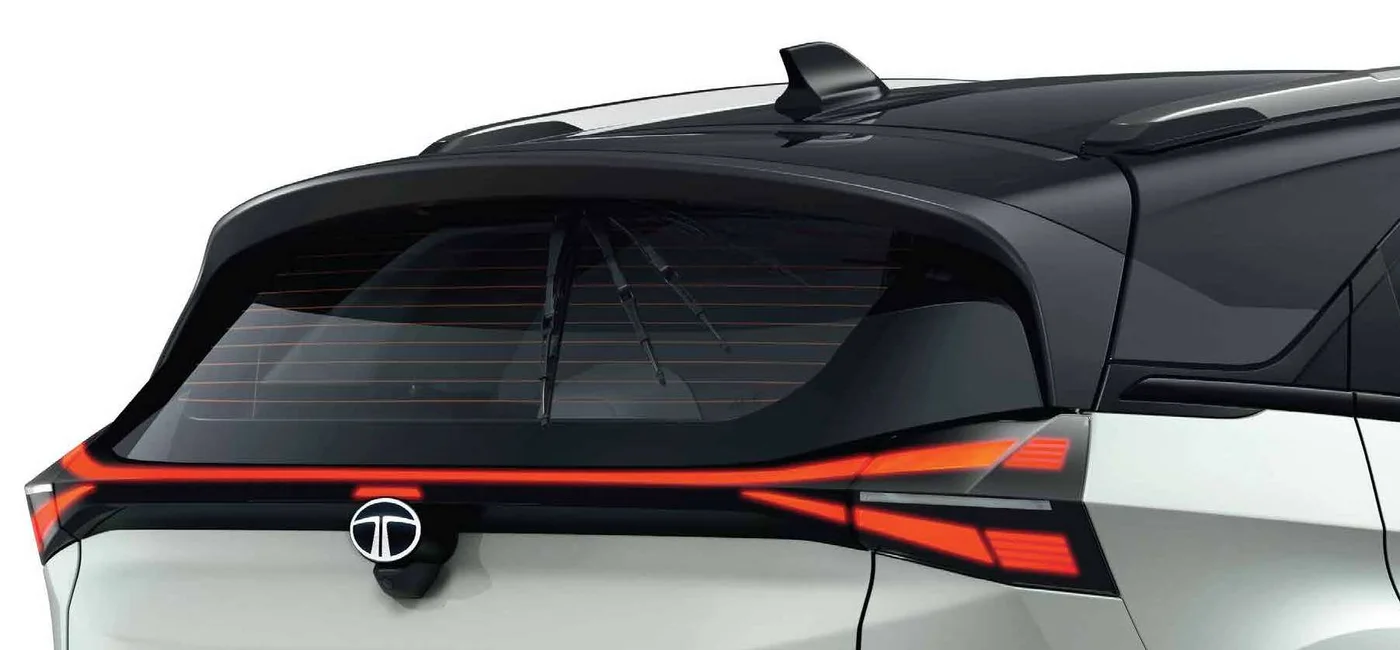
The current Nexon EV is a facelift of a shape that first appeared in 2017, and it hides its age well. A full-width LED light bar runs across the nose above split headlamps, the lower bumper has a slatted panel in place of a grille, and at the back a connected tail lamp and a black roof give it a sharper stance than the boxier Syros EV. Sequential indicators and a light sequence when you lock and unlock the car add some showroom appeal. The profile shows its age more, with a thick rear pillar and a sloping roof that cost the rear cabin some light and headroom.
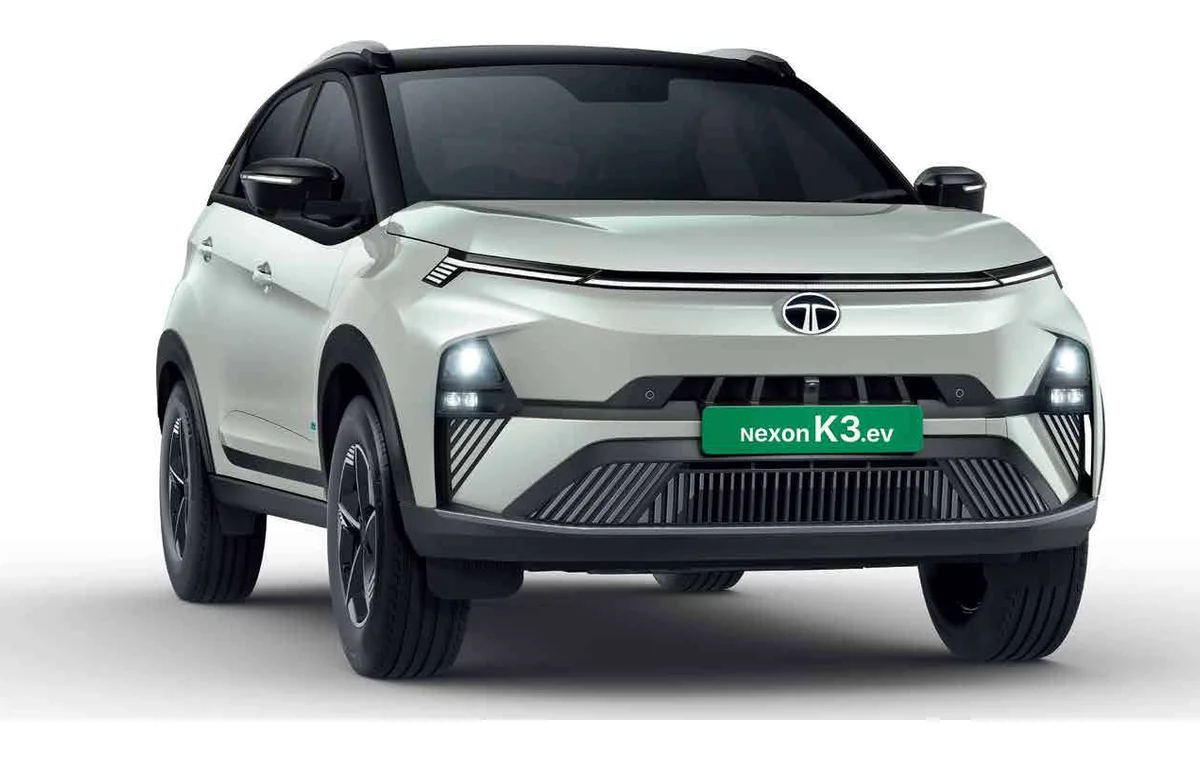
The size suits Nepal. At 3,995 mm long it is a sub-four-metre car that slots into tight Kathmandu parking spaces, and a 5.3 metre turning radius makes it easy to turn in narrow lanes. Every car rides on 16-inch alloys with aero inserts and low rolling resistance tyres.
Interior, space and practicality6.0
The light leatherette upholstery and the slim twin screens make a good first impression, and the front seats are wide, supportive and ventilated, which counts for a lot in summer traffic. The plastics on the dashboard and door panels are hard and plain, and the fit of trim pieces varies more than in the Chinese rivals at the same money.

The rear seat is the weak point. Knee room is acceptable, but the bench is mounted low, so adults sit knees-up with little support under their thighs, and the sloping roof leaves taller passengers short of headroom. The rear AC vent console sits where a middle passenger's knees go, so the car is most comfortable with four adults on board. Rear passengers get vents, USB-C fast charging ports and a centre armrest, but little storage.
The 350 litre boot is a usable square shape and the rear seat splits 60:40, but it is smaller than the boots of the Syros EV, Atto 2 and Creta EV. There is also a small frunk under the bonnet, which is useful for the charging cable and little else. A spare wheel is a welcome detail on Nepali roads, where some rivals, the Punch EV among them, offer only a repair kit.
Features and technology8.0
On equipment the Nexon EV leads its class. The single Nepal trim gets a 12.3-inch touchscreen with wireless Android Auto and Apple CarPlay, a 10.25-inch digital cockpit that can show a navigation map, a nine-speaker JBL system with a subwoofer, a voice-controlled panoramic sunroof, ventilated front seats, a wireless phone charger, an air purifier, cruise control, an auto-dimming mirror and rain-sensing wipers. V2L and V2V let the car power appliances or top up another EV. Few rivals at this price match that list, and the Syros EV and Punch EV fall well short of it.
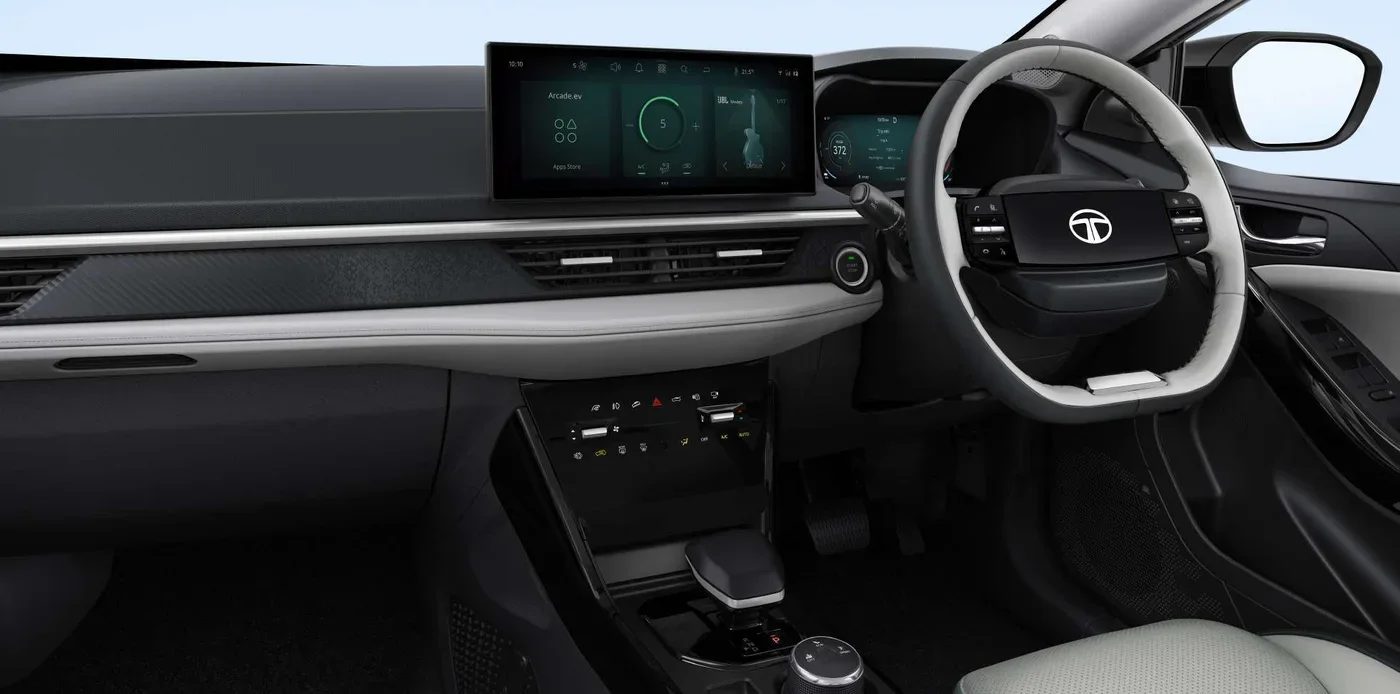
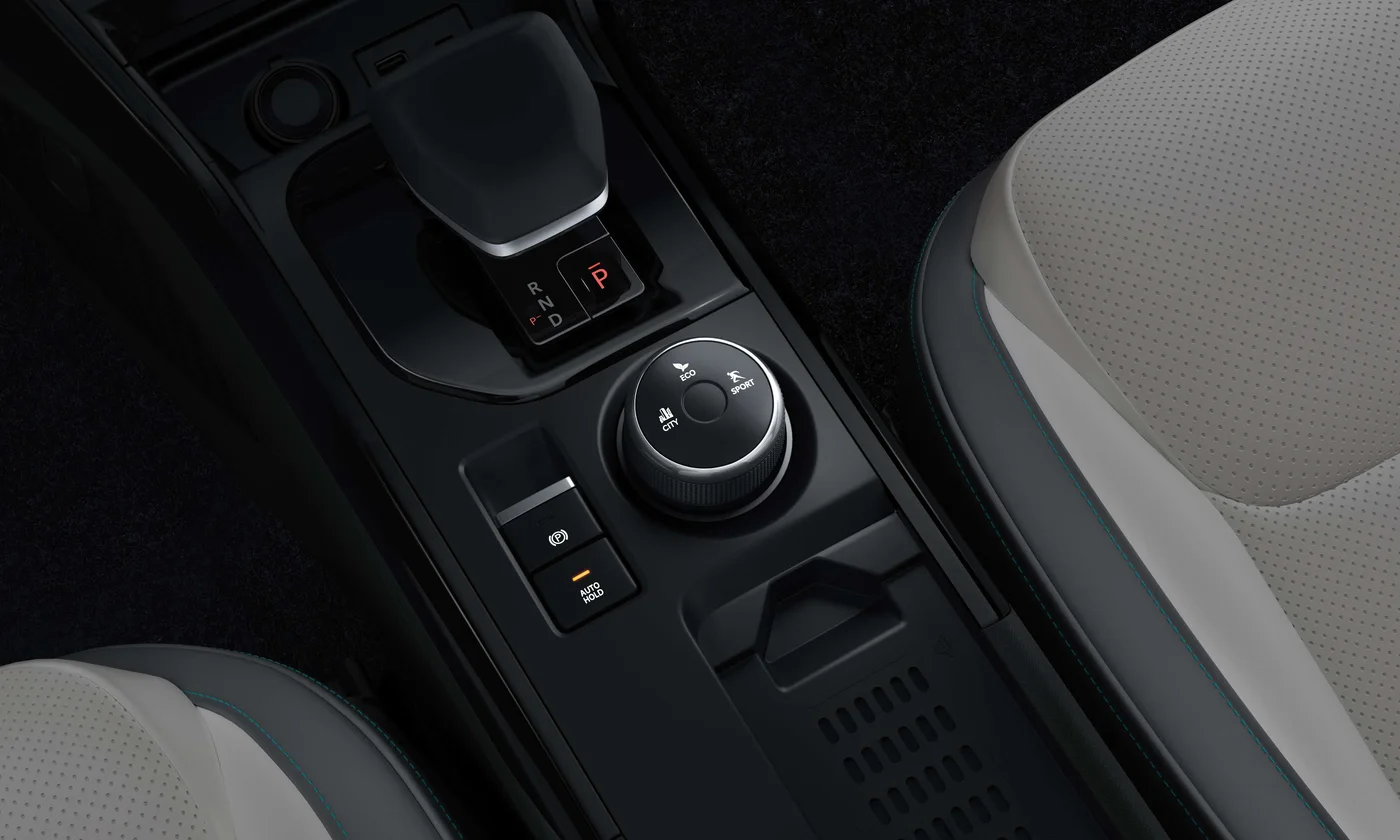
The hardware is let down by the software. The touchscreen is sharp and the JBL system sounds good, but owners report lag, occasional freezes and phone connections that drop, and the companion app is unreliable. The touch-sensitive climate panel is easy to brush by accident, and the drive selector does not clearly show which gear is engaged. None of this stops the car working, but the Atto 2 and S5 are more pleasant to use day to day.
Range, battery & charging
Real-world range7.0
Sipradi quotes 325 km from its own testing in Nepal against the 490 km certified figure, and the Nepal number is the one to plan around. Independent tests on flat roads in mild driving have returned between 330 and 350 km from a full charge, while hard driving in Sport mode with regen switched off has cut that to under 200 km. In Kathmandu traffic with the AC on, expect something close to the 325 km figure. A long climb out of the valley will take more off it.
That is enough for a week of valley commuting for most owners, or a round trip to Bharatpur with one top-up. It is about level with the Syros EV and Creta EV, a little ahead of the Atto 2 and the 49 kWh MG S5, and behind only the 62 kWh S5. Below about 10 percent charge the car limits its speed to protect the battery, so do not plan on running it close to empty.
Battery7.0
The 45 kWh pack is liquid-cooled and sealed to IP67, and both the battery and the motor are covered for 8 years or 1,60,000 km in Nepal. That matches what most rivals offer, but Tata now gives first owners in India a lifetime battery warranty, and that has not been confirmed for Nepal. Sipradi's battery repair facility in the valley can repair packs at module level rather than replace them outright, which makes an out-of-warranty fault less likely to cost the price of a new pack.
Efficiency and running cost7.0
Efficiency is average for the class. Tests put consumption at around 13 to 15 kWh per 100 km in mixed driving, helped by the low rolling resistance tyres and four levels of regenerative braking. That is a little behind the Atto 2 and Syros EV. Running costs are still low: home charging costs far less per kilometre than petrol, and there is no oil to change. The 3 year or 1,25,000 km vehicle warranty is shorter than the cover some Chinese rivals give, which matters more given Tata's patchy reliability record.
Charging7.0
The Nexon EV takes a CCS2 connector and accepts up to 60 kW of DC power, which Tata rates at 10 to 80 percent in 40 minutes. Tests on a fast enough charger have done 20 to 80 percent in under half an hour, so the claim is realistic. The catch is the chargers themselves: many public DC units in Nepal are 30 kW, and on those the same top-up takes roughly an hour.
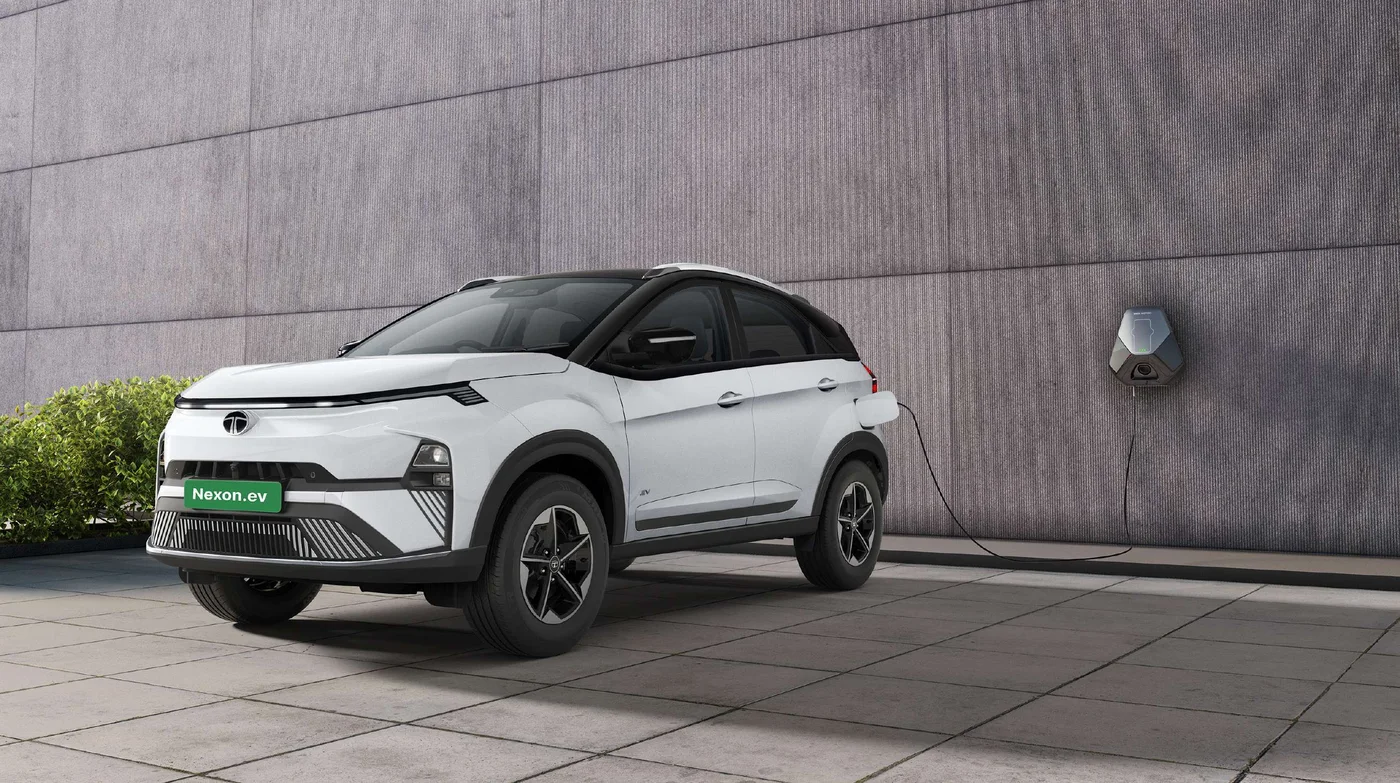
At home, a 7.2 kW wall box fills the battery from 10 to 100 percent in about 6 hours 36 minutes, while the portable cable on an ordinary 15 amp socket takes about 17.5 hours. A 3.3 kW wall box is also offered. V2L lets the car run appliances, and V2V can give another EV enough charge to reach a charger.
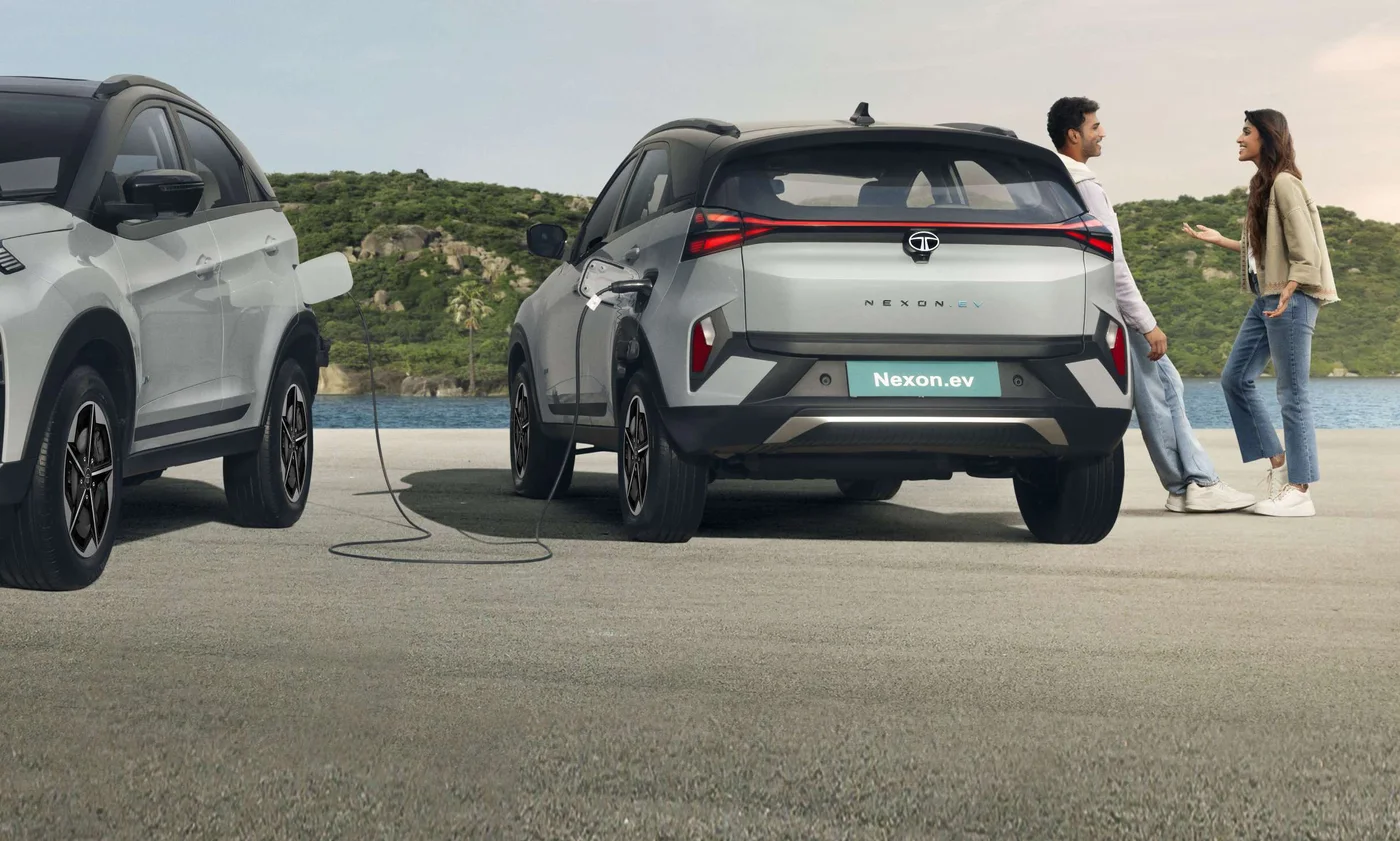
Charging availability8.0
Tata is as well placed here as any rival. Sipradi runs its own charging network of more than 140 AC points and over 25 DC sites, many on the main highways at places such as Malekhu, Mulkot, Bharatpur, Hetauda, Bhairahawa, Nepalgunj and Dhangadhi, alongside the public NEA and private chargers that every CCS2 car can use. Sipradi gave buyers a free 7.2 kW home wall box as a launch offer, so confirm whether it still comes with the car. The weakness is speed: the Tata DC units are 30 kW, so even on the brand's own network the car rarely charges at its full rate.
Performance & driving
Performance and hill climbing7.0
The 98 kW motor and 215 Nm of torque make the Nexon EV quick enough. Tata quotes 0 to 100 km/h in 8.9 seconds, and independent tests have recorded closer to 10, which is still brisk for the class. Power comes in smoothly in City mode, Sport sharpens the throttle noticeably, and Eco cuts torque and top speed to stretch the range.
On climbs the instant torque pulls the car up steep valley roads without fuss, even with a full cabin, and hill ascent and descent control plus an auto-hold parking brake take the stress out of steep, stop-start lanes. Regeneration has four levels on paddles behind the wheel. The strongest gives near one-pedal driving and holds the car back on long descents, so the brakes stay cool. As with any EV, a long climb uses a lot of charge, and some of it comes back on the way down.
Driving experience, ride and handling7.0
The Nexon EV feels solid on the move. The suspension is firm at low speed, so sharp bumps come through into the cabin, but it settles as speed rises and keeps the body well controlled in corners. The steering is light in town and weighs up sensibly on the highway, though it feels a little vague at high speed. Road and wind noise are well contained for the class. It is a composed, easy car to drive, if a little firmer over broken city streets than the Punch EV.
Road tolerance7.0
The Nexon EV copes with Nepali roads. Its 190 mm of ground clearance clears speed breakers and rutted lanes, and its battery and motor are sealed to IP67 against monsoon water. The trade-off is the firm low-speed ride, which you feel over potholes and broken tarmac. The Punch EV and Syros EV soak up the worst roads better.
Safety & build
Safety8.0
Safety is one of the Nexon EV's best areas. It holds a 5 star Bharat NCAP rating, scoring 29.86 out of 32 for adult protection and 44.95 out of 49 for children, and every car has six airbags, electronic stability control with rollover mitigation, ABS with EBD, disc brakes all round, a tyre pressure monitor, front parking sensors, a 360 degree camera and a blind spot view on the screen. It has no driver assistance suite. Tata fits Level 2 ADAS to some Nexon EVs in India, but not to the Nepal car, while the MG S5 and Atto 2 have it as standard.
Build quality and reliability6.0
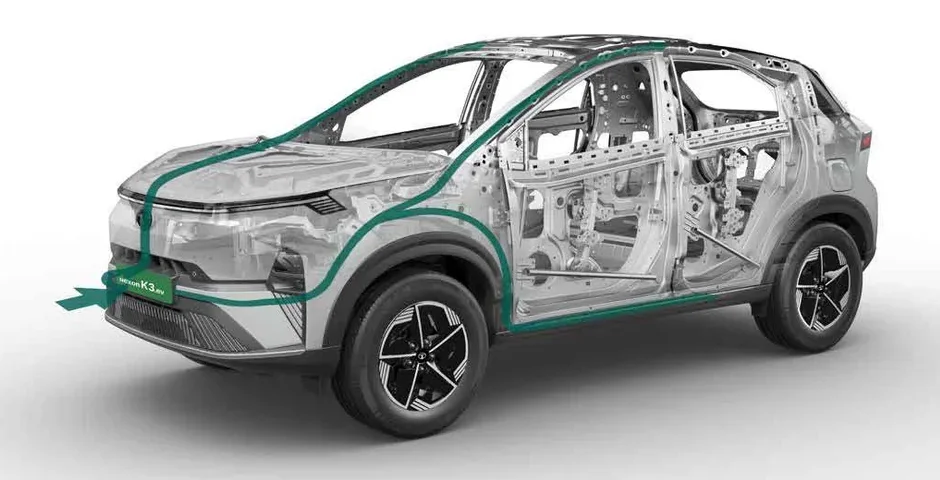
Crash testing has shown the body is strong. The cabin trim and electronics are less dependable: trim fit varies, and the hard plastics scratch easily. Owners of Nexon EVs in India have reported 12 volt battery drain, charging alerts after DC sessions, infotainment freezes and warning lights, and some cars have needed software updates or replacement parts to fix them. Most of those reports concern earlier cars, but Tata's electrical quality control still trails its crash engineering, so ask the dealer to confirm a car's software is current before delivery.
Value & ownership
Price and value7.0
The Nexon EV is priced just below the Atto 2 and MG S5, and on paper it gives you more for the money. The panoramic sunroof, ventilated seats, JBL audio, 360 degree camera and V2L/V2V come as standard, along with a 5 star crash rating and a spare wheel. The rivals answer with more cabin space, better materials and smoother software, and the Atto 2 is the more refined car to live with. That leaves its value about average for the class, behind the Atto 2.
After-sales and service network9.0
Sipradi has sold Tata cars in Nepal for decades. Its EV Learning Centre trains the technicians, its battery centre at Bagdol can repair packs down to module level, and roadside assistance is available. Parts are usually in stock, so a fault is less likely to leave the car waiting weeks for a component than with a newer brand.
Sipradi also has sales and service points from Biratnagar, Birtamode and Ilam in the east to Pokhara, Butwal, Bhairahawa, Nepalgunj and Dhangadhi in the west, so owners outside Kathmandu have somewhere to take the car. Not all of them handle EV work yet, so ask which is nearest, but no rival covers as much of the country.
Editor's opinion7.0
The Nexon EV earns a place on the shortlist through its equipment, its 5 star safety and Sipradi's network, and for a buyer outside the valley that network may decide it. Against the BYD Atto 2, though, it gives away rear-seat space, cabin quality and software polish, and for most valley buyers the Atto 2 remains the better all-round car.
Verdict
The Tata Nexon EV is a well-equipped and safe electric SUV with the strongest support network in Nepal behind it. Its single trim comes loaded with features rivals charge extra for, it holds a 5 star crash rating, and its 190 mm of clearance and compact size suit Nepali roads and cities. The trade-offs are a firm low-speed ride, a rear seat best kept for two adults, a boot that trails its rivals, and Tata's familiar weaknesses in cabin quality and software. Sipradi's charging network helps on the main highways, but its 30 kW chargers mean the car rarely charges at full speed. Buyers who drive outside the valley, or who want the longest feature list at this money, will find it easy to live with.
Good
Loaded with equipment and backed by 5 star safety and Nepal's widest service network, the Nexon EV is held back by a tight rear seat and patchy software.
Kushal Rajbhandari
Oct 3, 2026
Loaded with equipment and backed by 5 star safety and Nepal's widest service network, the Nexon EV is held back by a tight rear seat and patchy software.
Kushal Rajbhandari
Oct 3, 2026
FAQ
Which Tata Nexon EV is sold in Nepal?
Sipradi sells the current Nexon EV in a single trim with a 45 kWh battery and a 98 kW motor. Earlier Nexon EV Prime and Max models with 30 kWh and 40.5 kWh batteries belong to the previous generation and are found only as older stock or used cars.
What is the real-world range of the Tata Nexon EV?
Sipradi quotes 325 km based on testing in Nepal, against a certified figure of 490 km. Gentle driving on flat roads can reach 330 to 350 km, while hill routes, fast highway driving and heavy AC use bring it down.
How long does the Tata Nexon EV take to charge?
On a 60 kW DC charger it goes from 10 to 80 percent in about 40 minutes, and on the 30 kW chargers common in Nepal it takes about an hour. At home a 7.2 kW wall box takes about 6.5 hours from 10 to 100 percent, and a regular 15 amp socket about 17.5 hours.
Does the Tata Nexon EV have ADAS in Nepal?
No. The Nepal car has six airbags, stability control, a 360 degree camera and a blind spot view, but no Level 2 driver assistance features such as lane keeping assist or automatic emergency braking. Those are offered only on some Nexon EVs in India.
Is the Tata Nexon EV good for a family of five?
It is better suited to four. The rear bench lacks thigh support, headroom is tight for tall adults and the middle passenger has to work around the rear AC vents. The 350 litre boot handles a family's weekly shopping, but it is smaller than the Atto 2's or Creta EV's.
How safe is the Tata Nexon EV?
Very. It holds a 5 star Bharat NCAP rating with 29.86 out of 32 for adult protection and 44.95 out of 49 for children, and comes with six airbags, stability control, disc brakes on all four wheels and a 360 degree camera as standard.
Is the Tata Nexon EV reliable?
The structure and battery have a good record, but owners have reported software freezes, 12 volt battery drain and warning lights that needed workshop visits, mostly on earlier cars. Sipradi's wide service network and battery repair facility make those problems easier to resolve than with most brands.
Where can I service a Tata Nexon EV outside Kathmandu?
Sipradi has sales and service points across Nepal, including Biratnagar, Birtamode, Ilam, Pokhara, Butwal, Bhairahawa, Nepalgunj and Dhangadhi. Not all of them are equipped for EV repairs, so confirm which is closest to you before you buy.