

Kia Syros EV review

Kushal Rajbhandari
· Oct 2, 2026
Good
A roomy electric SUV with one of the longest real-world ranges and quickest-charging batteries at its price, let down by a Nepali HTK trim that skips the reversing camera and cruise control.
Kushal Rajbhandari
Oct 2, 2026
A roomy electric SUV with one of the longest real-world ranges and quickest-charging batteries at its price, let down by a Nepali HTK trim that skips the reversing camera and cruise control.
Kushal Rajbhandari
Oct 2, 2026
What we like
- Real-world range among the best in its class
- 100 kW DC charging, 10 to 80 percent in about 39 minutes
- Roomy rear seat for a car under four metres
- Lifetime battery warranty for the first owner
- 197 mm ground clearance and a compact spare wheel
- Regen paddles and i-Pedal mode help on long descents
What could be better
- No reversing camera or cruise control on the Nepali HTK
- No sunroof, wireless charger, connected-car app or driver assistance
- Fixed rear bench; sliding and reclining seats are on higher trims only
- Wind noise becomes noticeable from about 80 km/h
- No Kia-run charging network in Nepal
- Not yet crash-tested as an EV
The Kia Syros EV pairs one of the longest real-world ranges and some of the fastest DC charging at the affordable end of Nepal's electric SUV market with a roomy cabin, in a body that is still under four metres long. Nepal gets only the HTK, the entry version of the Syros EV, and it leaves out things buyers at this level now expect, including a reversing camera and cruise control.
Built in India on the same small-car platform as the petrol Syros, it uses a 42 kWh liquid-cooled battery and a 99 kW motor driving the front wheels, the same hardware as the Hyundai Creta EV. The battery is rated at 443 kilometres on the Indian MIDC cycle and accepts up to 100 kW on a fast charger.
It suits a family that drives between towns and wants the fewest charging stops in this class, and that values a tall, roomy cabin over gadgets. Buyers who park in tight spots every day will miss the camera.
Design, interior & features
Design and exterior7.0
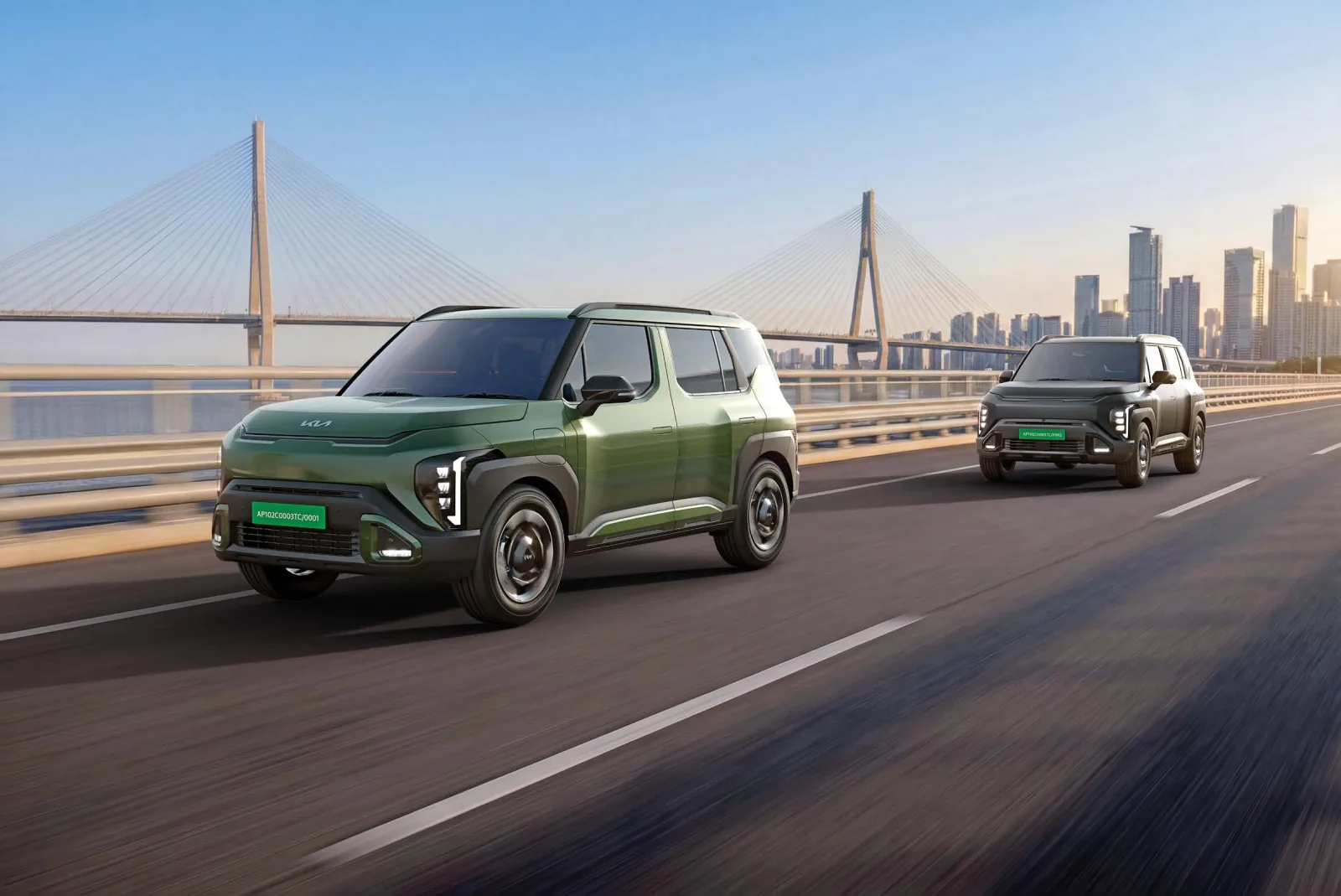
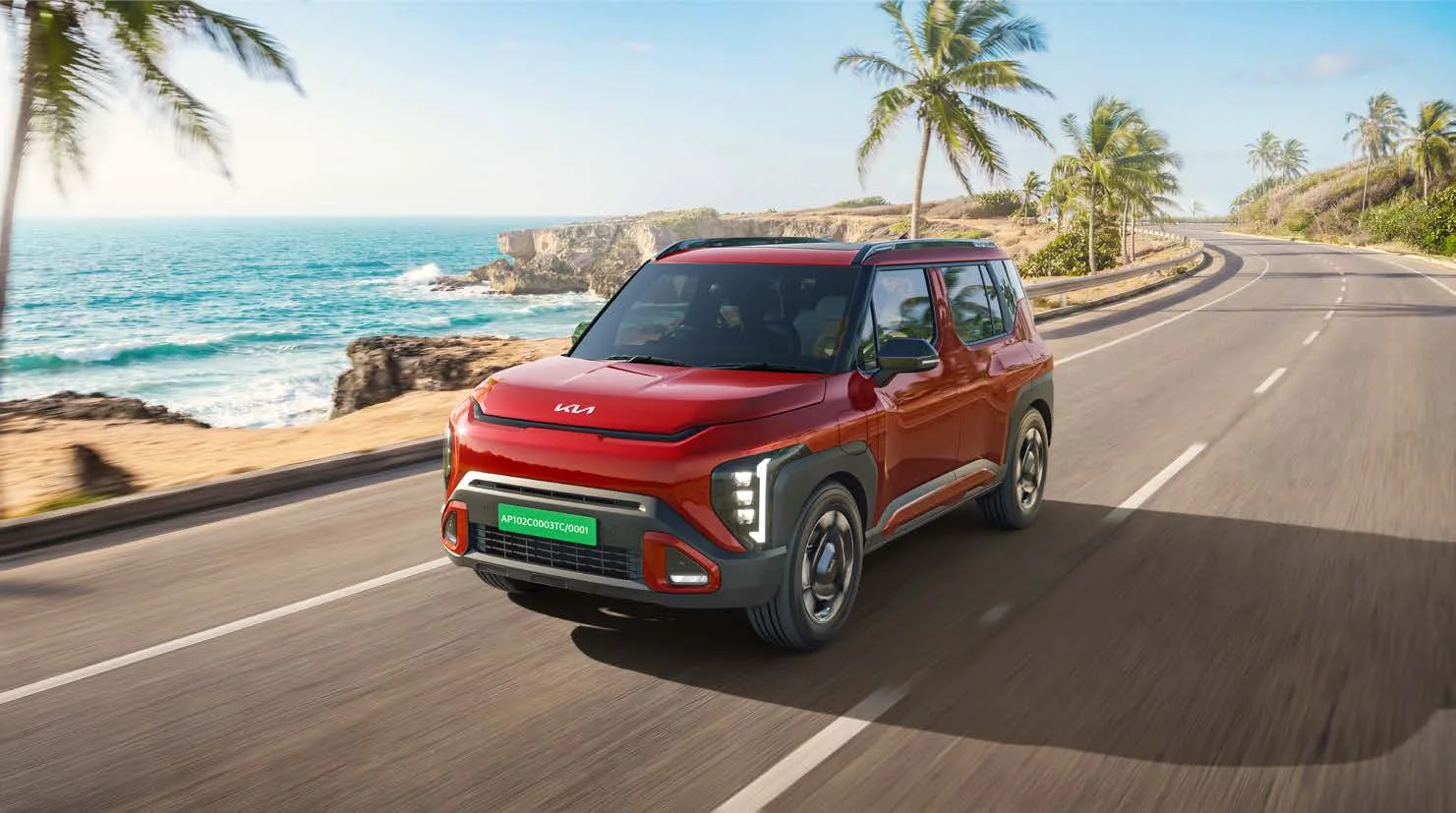
The Syros EV has a tall, slab-sided body with an almost vertical tailgate and a flat roof, closer in shape to a small van than to the rounded crossovers it competes with. Vertical LED light clusters at each corner and a closed-off nose with a green EV badge mark it out as the electric version.
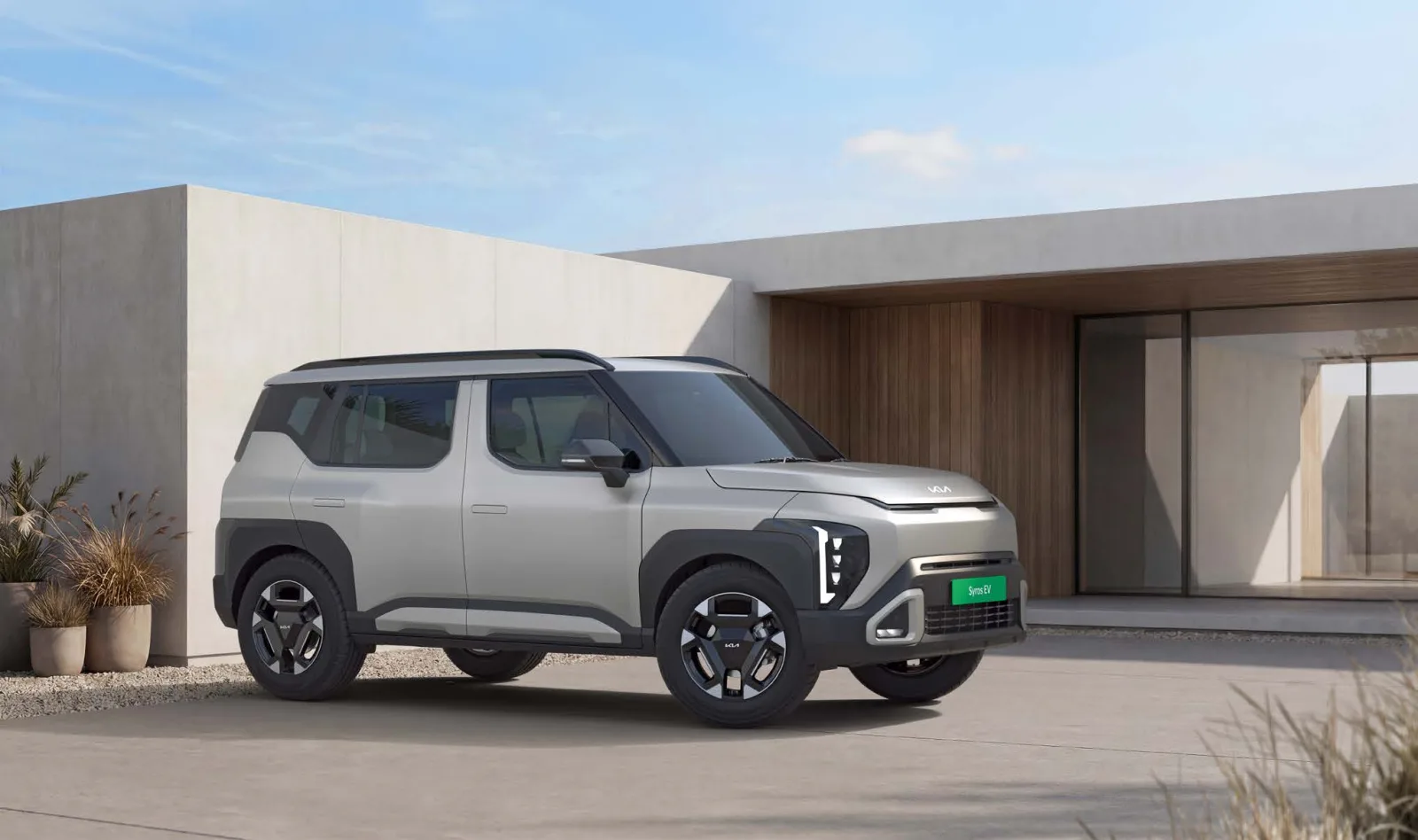
The shape divides opinion, and some buyers will find it too boxy. It does make the car easy to place in traffic, with short overhangs and good visibility over the bonnet. The HTK rides on 16-inch alloys with 215/60 tyres.
Interior, space and practicality8.0
Space is the Syros EV's strongest point. The 2,550 mm wheelbase and upright roof give the rear seat enough knee and headroom for two tall adults, one behind the other, which is rare in a car this short. Three across the back is a squeeze, so it works best as a four-seater with room for a child in the middle. The rear floor sits a little high, which costs some thigh support on long trips.
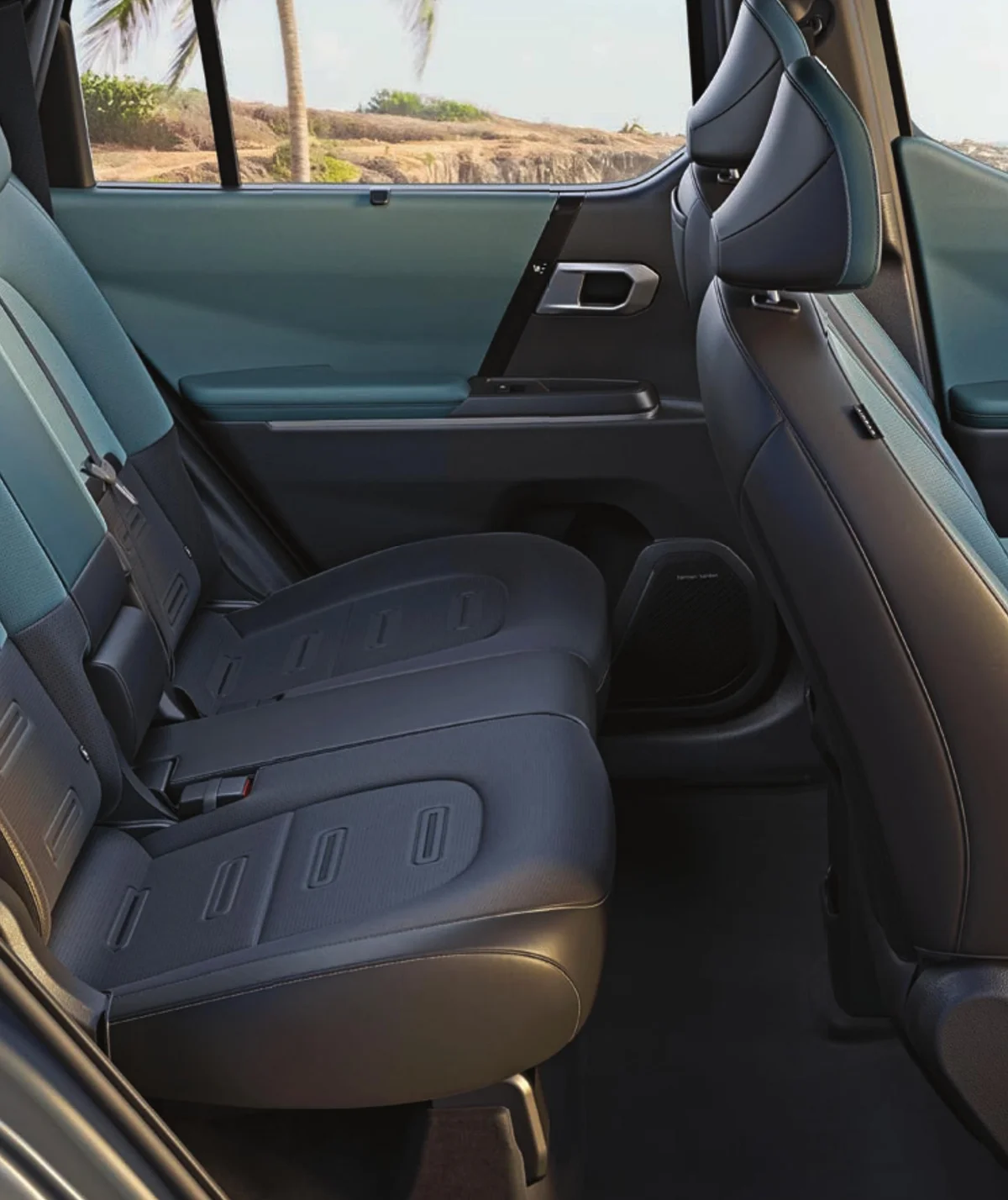
The HTK has a fixed rear bench. The sliding and reclining rear seats that make the Syros clever in other markets start a few trims higher, so the boot stays at 390 litres and the seatback does not fold completely flat. A small 16-litre frunk under the bonnet holds the charging cable, and a compact spare wheel sits under the boot floor, which is useful on long trips outside the valley.
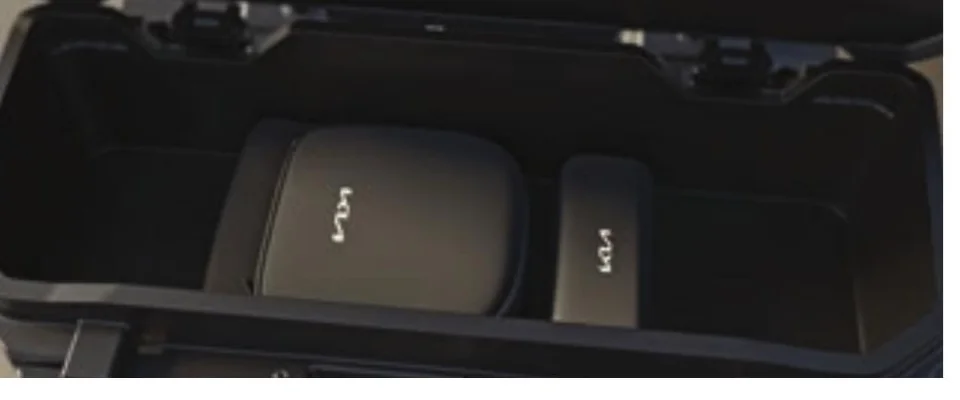
Cabin quality is good for the class. Fit and finish are tight, the dual-tone blue and grey upholstery lifts the space, and the floating centre console with a sliding cover has useful storage. Some of the plastics lower down are hard.
Features and technology6.0
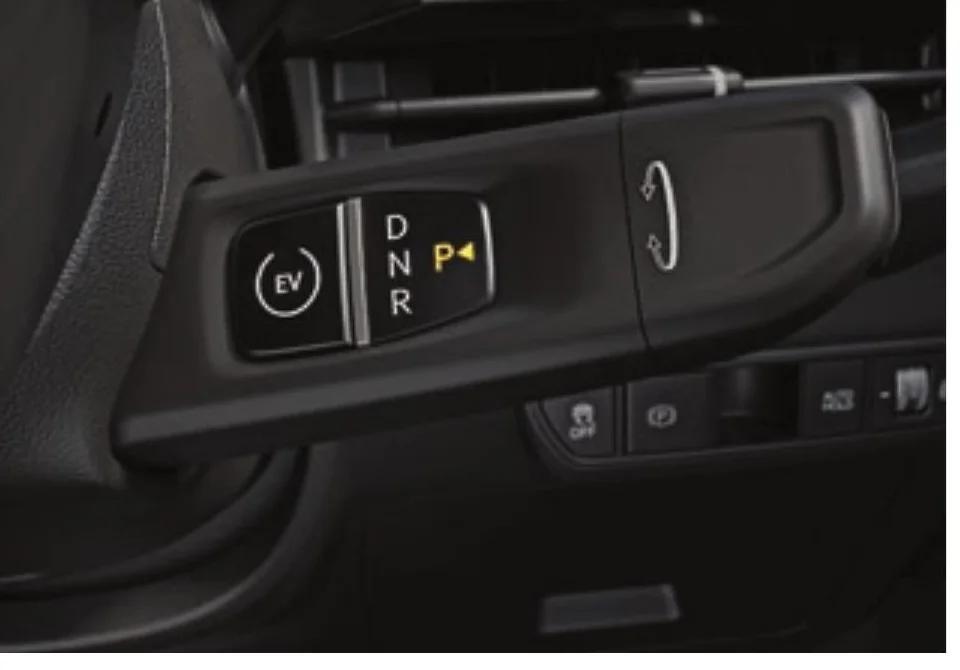
The HTK gets the Syros EV's dashboard: two 12.3-inch screens under one panel, one for the driver and one for the touchscreen, with a separate 5-inch touch panel for the automatic climate control. Wireless Apple CarPlay and Android Auto, four speakers and two tweeters, four USB-C ports, rear air vents and a column-mounted gear selector are also included.
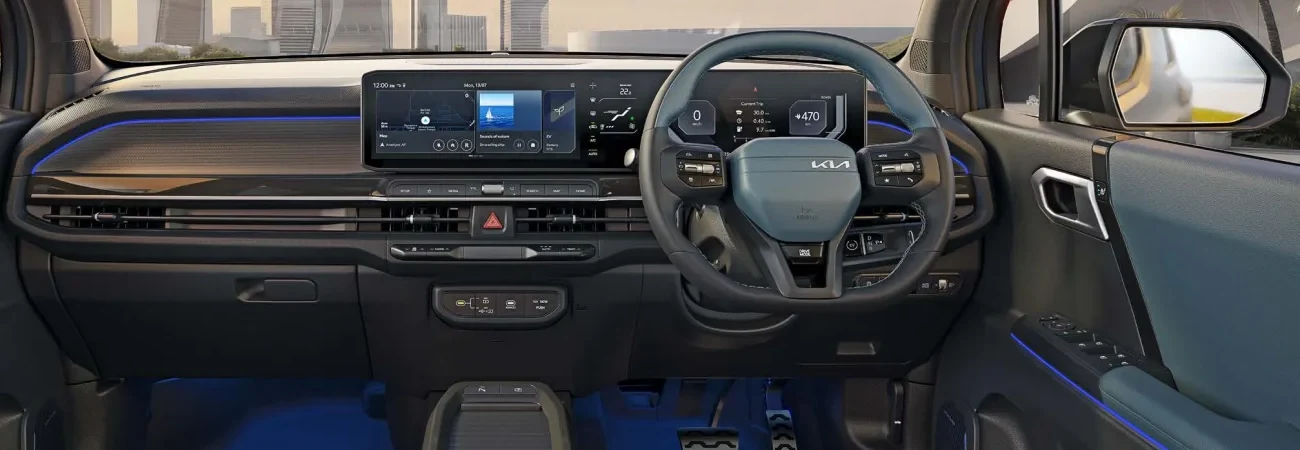
There is no reversing camera, only four rear parking sensors, which is a real omission for Kathmandu parking. There is also no cruise control, no sunroof, no wireless phone charger, no connected-car app and no vehicle-to-load socket. Rivals such as the Tata Punch EV and BYD Atto 1 include more of this equipment.
Range, battery & charging
Real-world range8.0
The 443-kilometre figure comes from the Indian MIDC cycle, which is generous, so expect around 300 to 350 kilometres in mixed driving. Gentle running at steady speeds can push towards the top of that band, while fast highway driving and heavy air-conditioner use pull it down. That matches the Nammi Vigo E2+ for the best real-world range in this part of the Nepali market, and is comfortably more than the Punch EV, the Atto 1 and the Nammi Vigo E2.
Battery8.0
The 42 kWh pack is liquid-cooled, which helps it hold charging speed and protect its health on hot Terai days and long climbs. It is the same battery as the Hyundai Creta EV's. Kia Nepal's warranty is the main draw: the high-voltage battery is covered for life for the first private owner, and for eight years or 160,000 kilometres for a second owner.
Efficiency and running cost8.0
The Syros EV is efficient for an SUV. Expect roughly 12 to 14 kWh per 100 kilometres in mixed driving, helped by strong regeneration, and less in slow town traffic. Home charging keeps running costs very low. The vehicle warranty runs for three years with unlimited kilometres and can be extended to five.
Charging8.0
DC charging is a strength. On a 100 kW DC charger, 10 to 80 percent takes about 39 minutes, and an 11 kW AC wallbox fills it from 10 to 100 percent in about four hours, or about six hours on a 7.4 kW unit. The Punch EV, Atto 1 and Nammi Vigo E2 all accept less on DC.
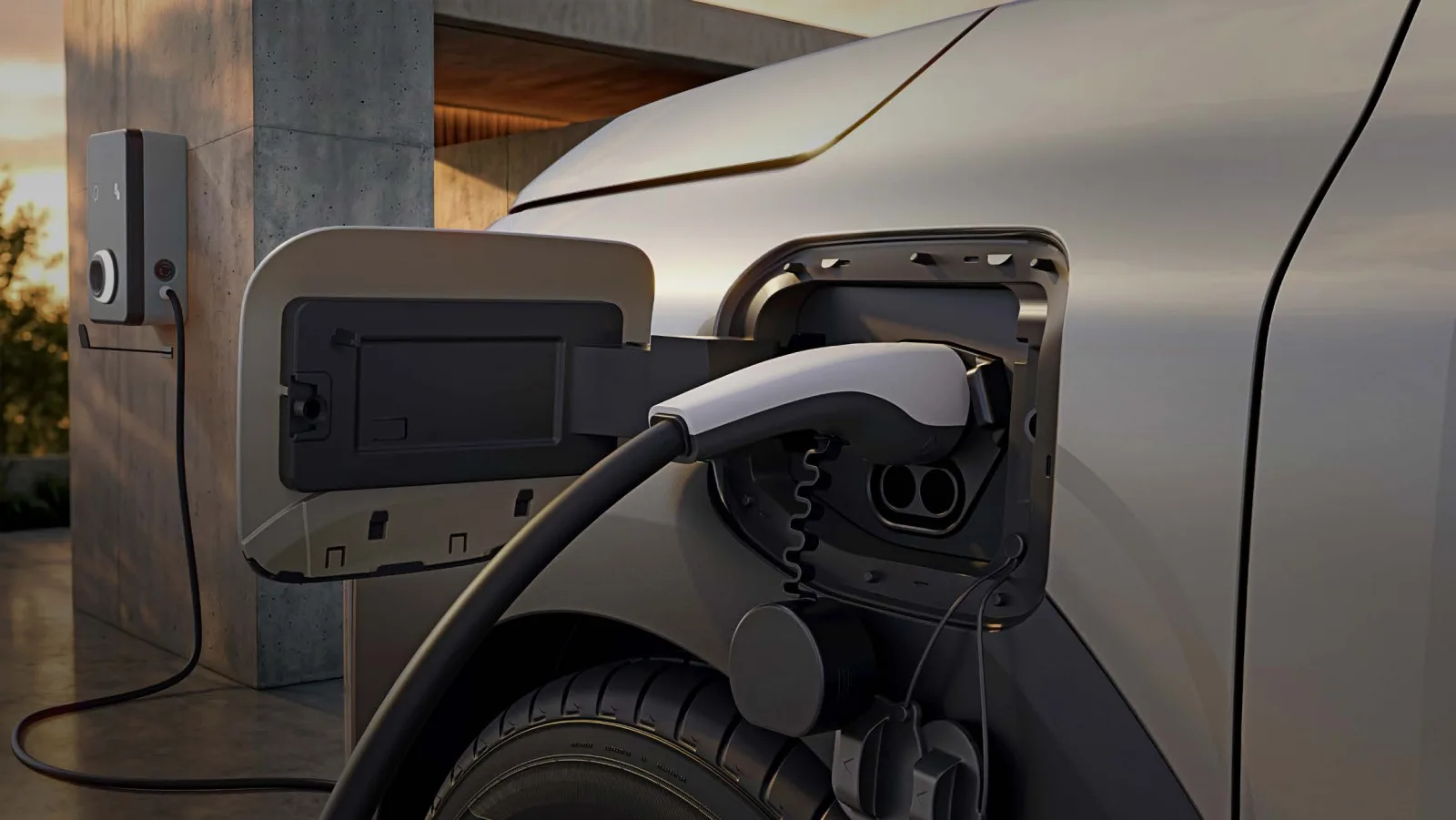
Many Nepali public chargers deliver well under 100 kW, so the full speed only shows on the faster units. A portable charging cable comes with the car, and the CCS2 port works with NEA and private chargers.
Charging availability6.0
Kia does not run its own charging network in Nepal and we found no home wallbox offer from Kia Nepal, so owners rely on NEA, private networks and their own home or office charging. The CCS2 port works with all of them, but there is no brand-run fallback on the highways of the kind some Chinese brands now provide.
Performance & driving
Performance and hill climbing8.0
The 99 kW motor and 255 Nm give brisk acceleration from a standstill and easy overtaking at town and highway speeds. Kia gives no official 0 to 100 km/h time for this version, but it is at least a match for the Punch EV and clearly quicker than the Atto 1. Eco, Normal and Sport modes change the response noticeably.
On hills the instant torque keeps it pulling with a full load, and the steering-wheel paddles are useful on the way down. They select between no regeneration, three regeneration levels and an i-Pedal mode that brings the car to a stop without the brake pedal. On a long descent like Nagdhunga or Sindhuli, the stronger settings do much of the braking and put charge back into the pack.
Driving experience, ride and handling7.0
The steering is light in town and weights up at speed, which makes the Syros EV easy to drive in traffic. The ride is on the firm side, though less so than the petrol Syros, and the suspension stays quiet over broken surfaces. The tall body leans in quicker corners, but it feels stable at highway speeds.
Wind noise around the upright windscreen and mirrors becomes noticeable from about 80 km/h, which is the main refinement weakness. i-Pedal mode takes some practice to use smoothly without passengers nodding forward.
Road tolerance8.0
At 197 mm, ground clearance is among the best in the class, and the 16-inch wheels with taller-sidewall tyres take the edge off potholes and speed breakers. Short overhangs help on steep driveways and broken village roads. The compact spare means a puncture away from town does not leave you stranded.
Safety & build
Safety7.0
Every Syros EV has six airbags, electronic stability control, hill-start assist, disc brakes on all four wheels, a tyre pressure monitor, ISOFIX mounts and a rear-occupant alert. The petrol Syros scored five stars in the Bharat NCAP crash test, but the EV has not been tested yet, so its rating is pending.
The HTK has none of the driver-assistance systems offered on the top version, and it misses the reversing camera. That leaves it behind the Punch EV, which has been crash-tested as an EV and carries more parking aids.
Build quality and reliability7.0
The Syros EV feels solidly built, with tight panel gaps and a cabin that holds up well against its rivals. It is too new for a long-term reliability record, but its platform and battery are shared with other Kia and Hyundai models already on sale.
Value & ownership
Price and value7.0
The Syros EV costs about the same as the better-equipped versions of the Punch EV and Nammi Vigo. For that money it gives more range, faster charging, more space and a longer battery warranty, but less equipment. If you drive long distances, the range and charging make it good value. If you mostly drive in town, the missing camera and cruise control make the rivals look more generous.
After-sales and service network7.0
Kia Nepal lists around 17 sales and service points. Six are in the valley, and the rest are in Pokhara, Bharatpur, Butwal, Biratnagar, Itahari, Birtamode, Janakpur, Bhairahawa, Dang, Nepalgunj and Dhangadhi. That is a broad network by the standards of Nepal's EV sellers, but Kia Nepal does not say which locations have a full workshop, and Tata still reaches further.
Editor's opinion8.0
Against the Tata Punch EV, the Syros EV is the better electric car to own, mainly for its range and charging speed, while the Punch is the better-equipped one. We would take the Syros and live without the reversing camera.
Verdict
The Kia Syros EV makes the strongest case at this price for buyers who leave the valley regularly. Its 42 kWh battery matches the best real-world range in its class, 100 kW charging cuts stop times, the cabin is unusually roomy for a car under four metres, and the lifetime battery warranty is reassuring. The HTK trim undercuts that with a sparse equipment list: no reversing camera, no cruise control and no driver assistance. Wind noise at highway speeds and a styling that will not suit everyone are smaller drawbacks. If you can live without the camera and cruise control, it is the entry EV we would pick for regular trips between towns.
Good
A roomy electric SUV with one of the longest real-world ranges and quickest-charging batteries at its price, let down by a Nepali HTK trim that skips the reversing camera and cruise control.
Kushal Rajbhandari
Oct 2, 2026
A roomy electric SUV with one of the longest real-world ranges and quickest-charging batteries at its price, let down by a Nepali HTK trim that skips the reversing camera and cruise control.
Kushal Rajbhandari
Oct 2, 2026
FAQ
What is the real-world range of the Kia Syros EV in Nepal?
Expect around 300 to 350 kilometres in mixed driving from the 42 kWh battery. The 443-kilometre figure is on the Indian MIDC cycle, which is more generous than real driving.
Which version of the Syros EV is sold in Nepal?
Only the HTK, with the 42 kWh battery and a 99 kW motor. The larger 51.4 kWh battery and the higher trims with a sunroof, ventilated seats and driver assistance are not offered in Nepal.
Does the Kia Syros EV have a reversing camera?
No. The Nepali HTK has four rear parking sensors but no reversing camera, and it also misses cruise control and a sunroof.
How fast does the Kia Syros EV charge?
On a 100 kW DC charger it goes from 10 to 80 percent in about 39 minutes. An 11 kW AC wallbox takes about four hours from 10 to 100 percent, and a 7.4 kW unit about six hours.
What warranty does the Kia Syros EV have in Nepal?
The battery is covered for life for the first private owner and for eight years or 160,000 kilometres for a second owner. The vehicle warranty is three years with unlimited kilometres, extendable to five.
Is the Kia Syros EV good for Nepali roads?
Yes. It has 197 mm of ground clearance, 16-inch wheels with taller tyres, a compact spare and regeneration paddles that help control speed on long descents.
Has the Kia Syros EV been crash-tested?
Not yet. The petrol Syros scored five stars in the Bharat NCAP crash test, but the EV's rating is pending. All versions have six airbags and electronic stability control.