

Dongfeng Nammi Vigo review

Kushal Rajbhandari
· Sep 23, 2026
Good
A roomy, generously equipped electric SUV with a real-world range close to its rating, let down mainly by vague steering and an unproven brand.
Kushal Rajbhandari
Sep 23, 2026
A roomy, generously equipped electric SUV with a real-world range close to its rating, let down mainly by vague steering and an unproven brand.
Kushal Rajbhandari
Sep 23, 2026
What we like
- Generous equipment and technology for the price
- Fast DC charging, roughly 20 to 80 percent in under half an hour
- Heated, ventilated driver's seat with memory settings
- Spacious cabin with a frunk and dual-section tailgate
- DJI-developed L2 ADAS with 360-degree camera
- Modern, chunky SUV styling
What could be better
- No independent crash test result yet
- Soft suspension with light, vague steering
- Lane-keep assist can feel intrusive at highway speeds
- Tyre grip and brake feel are only modest
- Relatively new brand, so reliability and resale are unproven
- Leisurely acceleration, tuned for comfort not performance
The Dongfeng Nammi Vigo gives Nepali buyers more space and equipment than anything else at its end of the electric SUV market. Both trims share a 99 kW motor, six airbags, a 360 degree camera and the same roomy body, but they split clearly on the battery. The E2 uses a 44.94 kWh LFP pack with 60 kW-plus DC charging, while the E2+ steps up to a 51.87 kWh pack, much faster 167 kW charging, a DJI-developed driver assistance suite, a moonroof and 18-inch wheels.
What it does best is family life. A 2,715 mm wheelbase frees up a genuinely roomy rear seat, the boot is deep and split across three levels, the front seats fold almost flat to make a bed, and the two-piece tailgate doubles as a bench. Around 190 mm of ground clearance and a comfortable, quiet cabin suit Nepali roads and long days in traffic.
The compromises sit in the driving and in the brand. The steering is light and vague, the torsion-beam rear gets unsettled over repeated bumps, acceleration is adequate rather than quick, and some cabin plastics feel built to a price. Dongfeng is also a young name here, with no independent crash test for this car and a service network that is still filling in outside the big cities. For a family that wants a big, well-equipped, cheap-to-run electric SUV and cares more about space than steering feel, it is one of the easiest cars in its class to recommend.
Design, interior & features
Design and exterior8.0
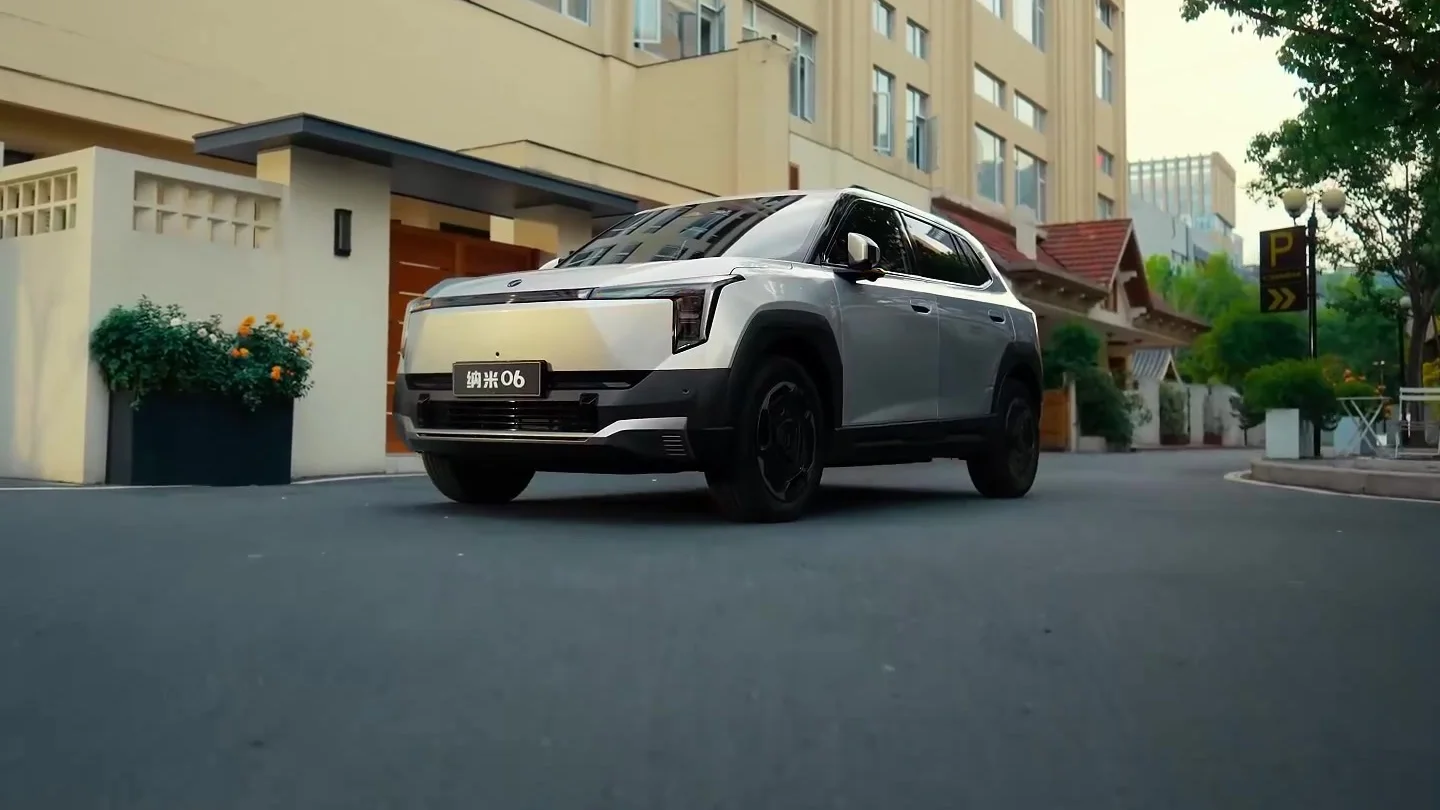
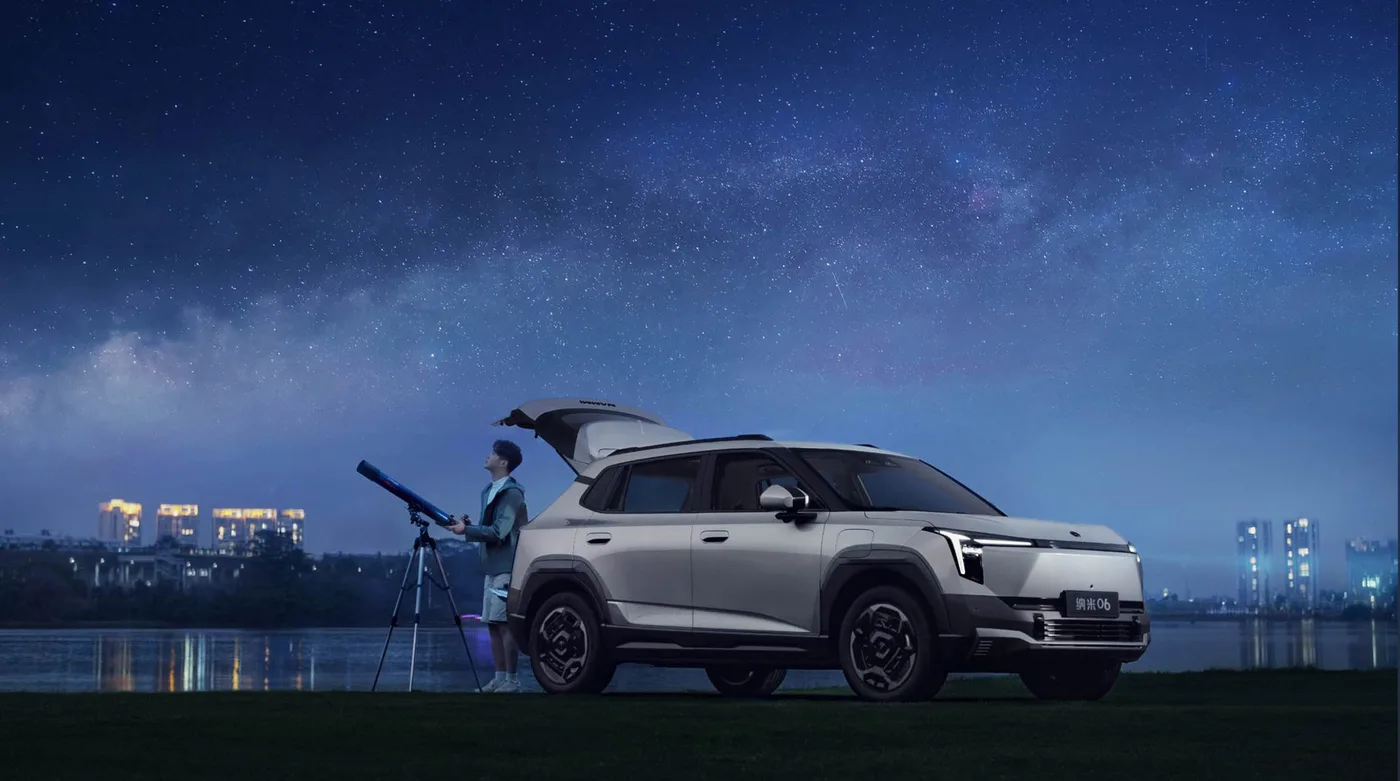
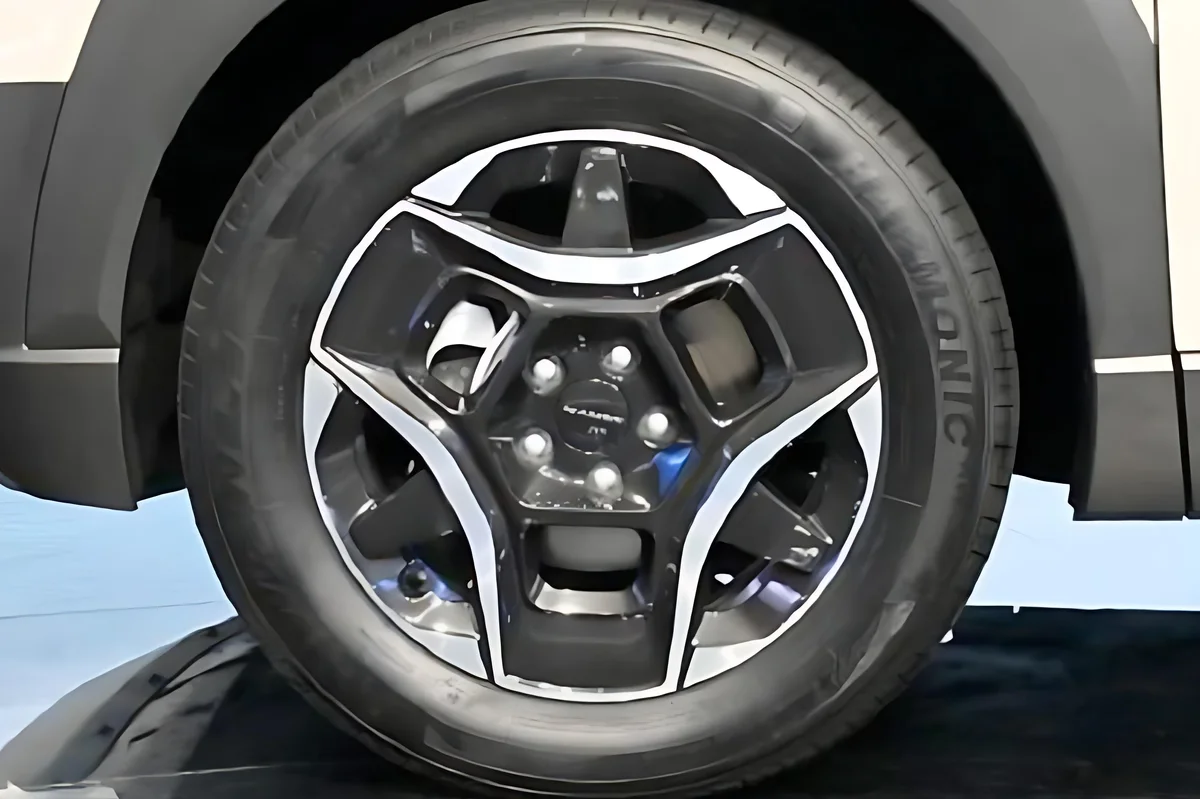
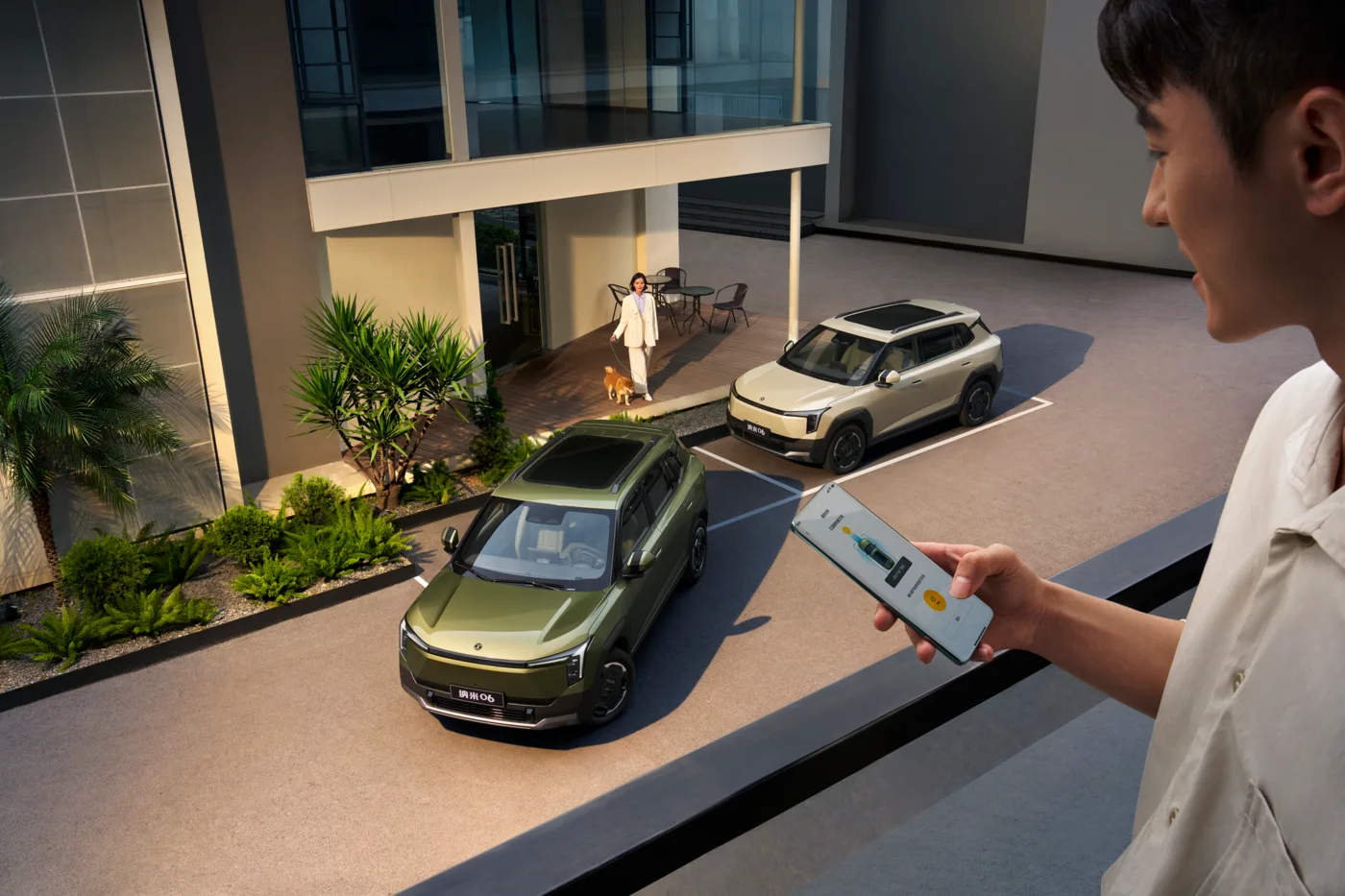
The Vigo looks like a proper small SUV rather than a raised hatchback. Its upright, slab-sided body, squared-off wheel arches and thick lower cladding give it a tough, boxy stance, and the full-width light bar and closed front mark it out clearly as an electric car. At 4,306 mm long and 1,868 mm wide it is compact enough for Kathmandu streets, but the long 2,715 mm wheelbase pushes the wheels to the corners and makes it look planted. The details are thoughtful too, from the sculpted "shield" wheel design and triangular crystal taillights to the semi-hidden power door handles, though those handles and the button-released doors take some getting used to.
Five colours are offered in Nepal, and the brighter shades suit its geometric shape best.
Interior, space and practicality9.0
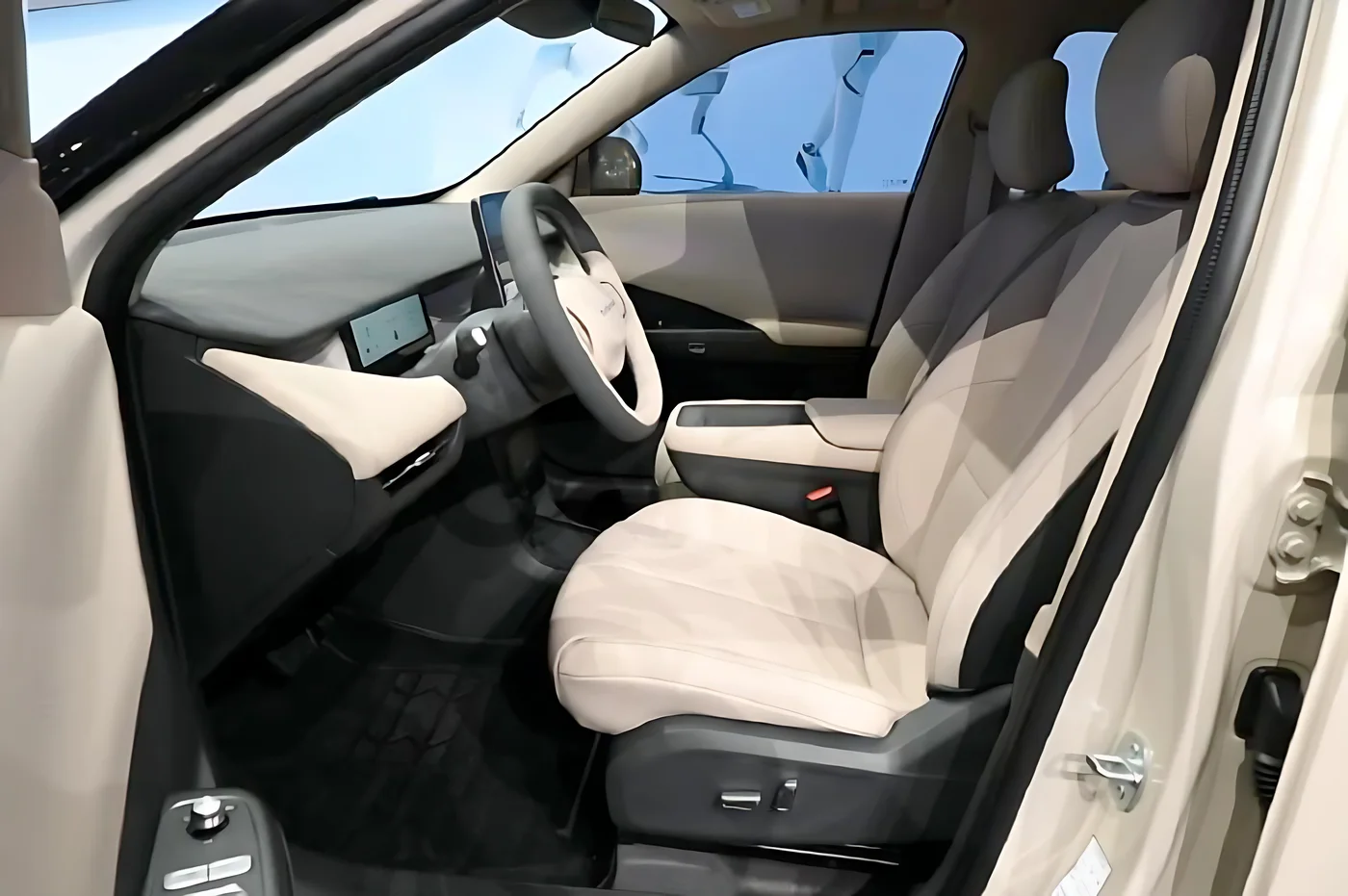
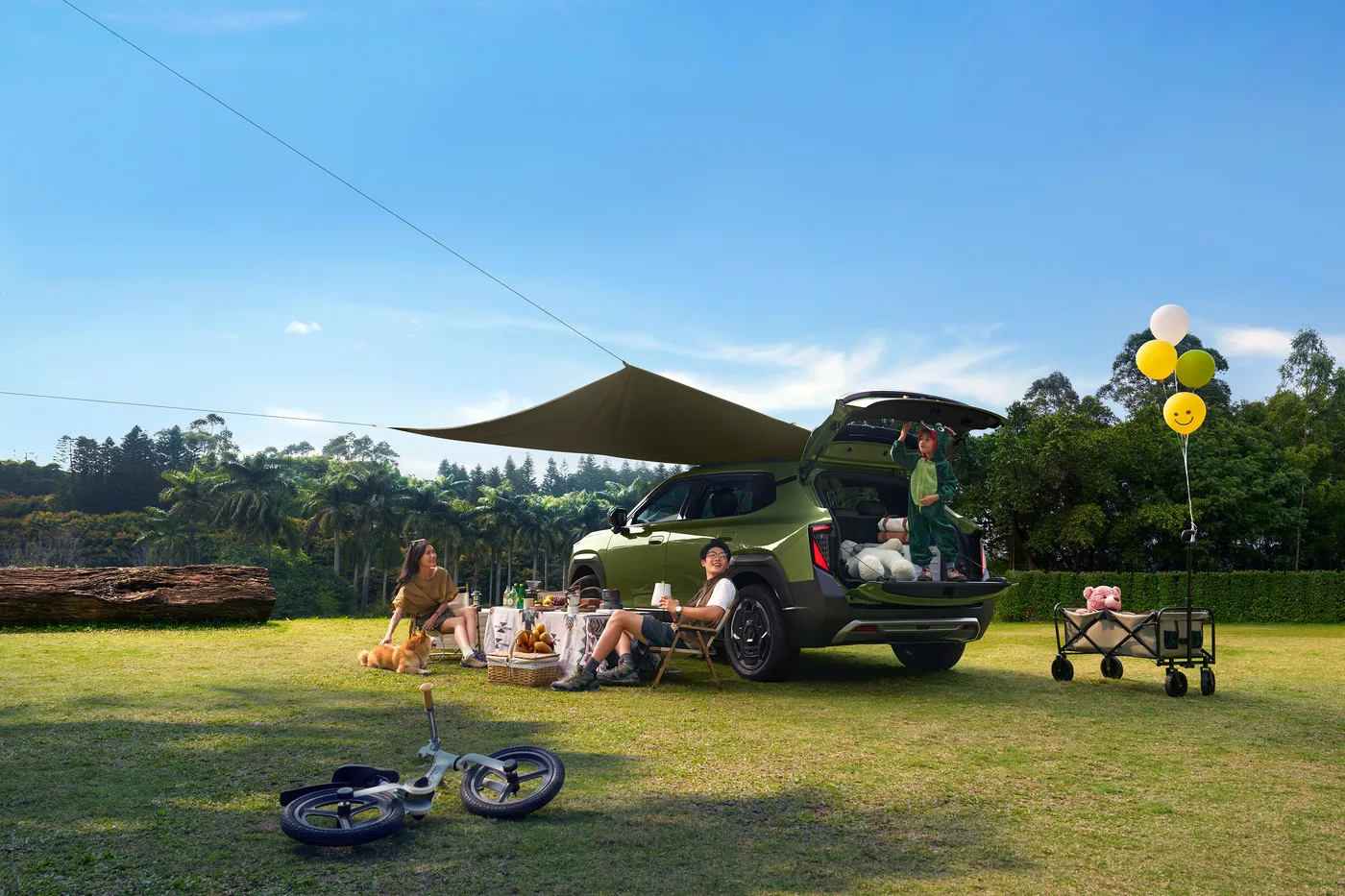
Practicality is the Vigo's strongest suit. The rear seat has generous leg and headroom for two tall adults and space for three across at a squeeze, helped by a flat floor and rear air vents. The boot is the standout: around 500 litres split across a three-level floor, growing to over 1,000 litres with the rear seats folded, plus a small front boot under the bonnet for charging cables. The two-piece tailgate lets you open just the glass section in a tight parking spot, and the lower half folds down into a sturdy seat. Fold the front seats back and the cabin becomes a flat surface long enough to lie down on, which is more than a gimmick on a long trip or at a charging stop.
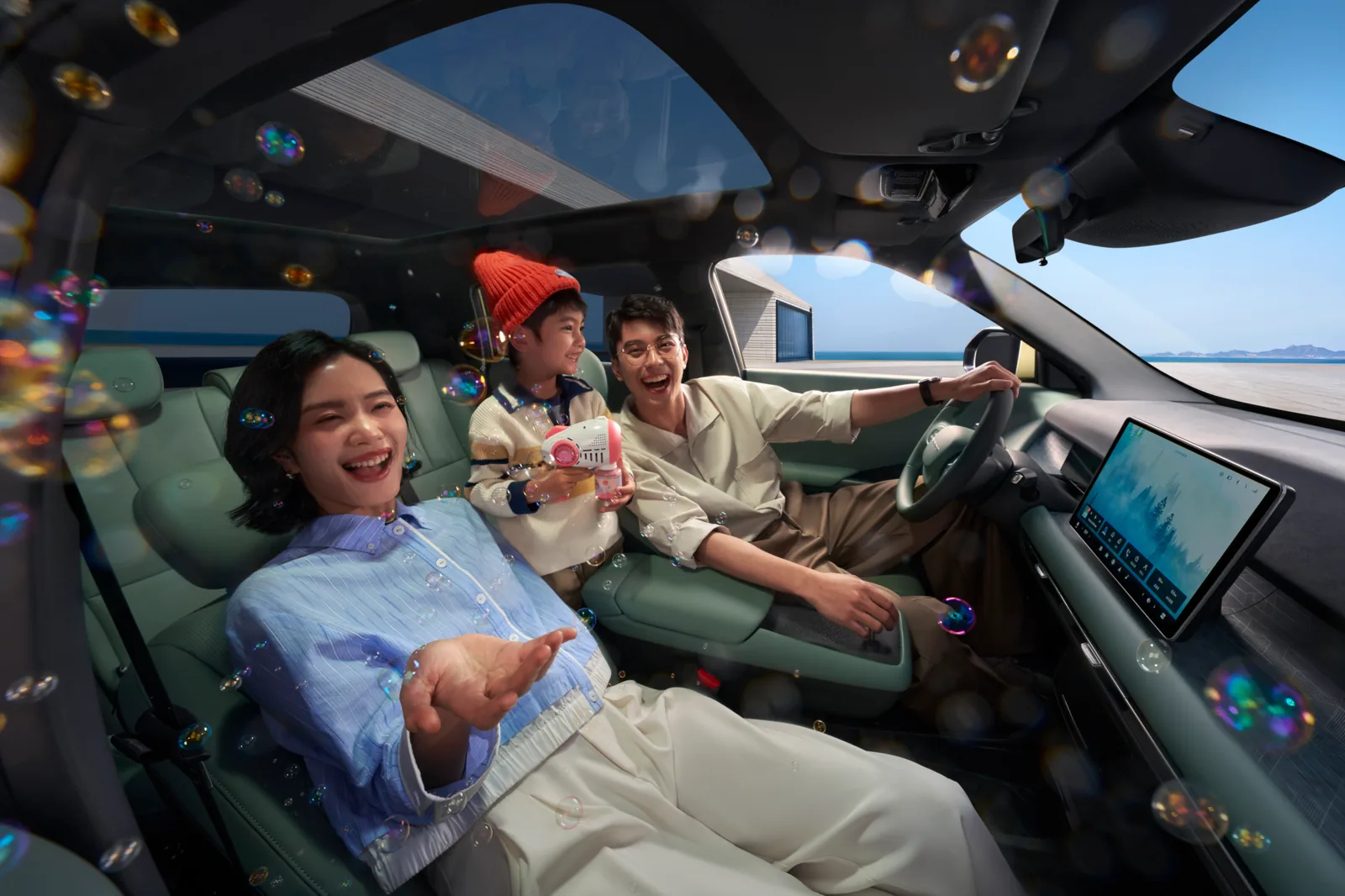
The cabin is less convincing on materials. The upper dash is soft to the touch, but harder plastics are easy to find lower down, the design is plain, and a few small rattles show up on broken roads. There are around 35 storage spaces, though loose items in the open floor bins slide about noisily. Only the driver's seat is heated and ventilated, with memory settings; the passenger seat misses out.
Features and technology8.0
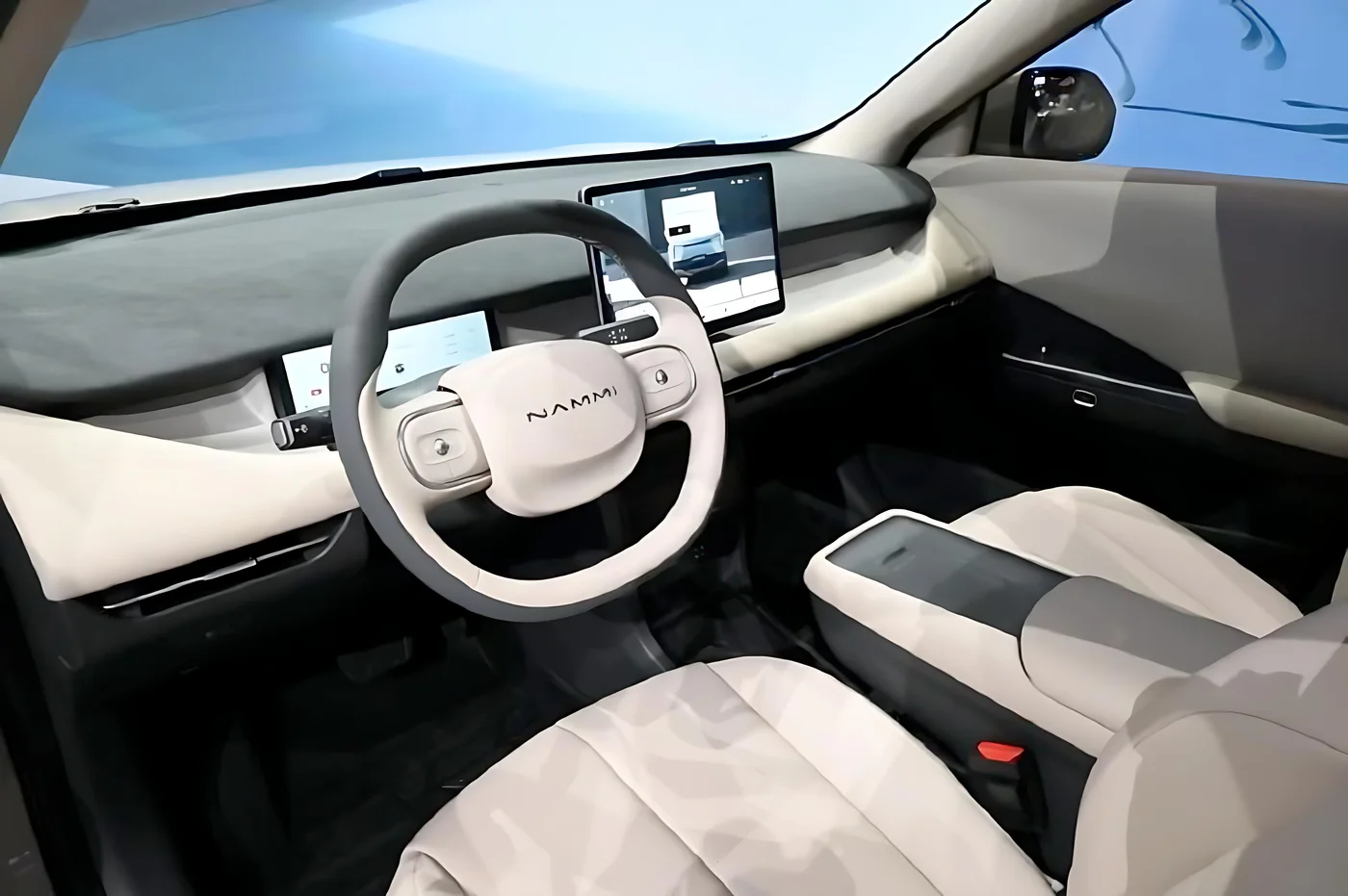
For the money, the kit list is hard to beat. Every Vigo gets a 12.8-inch central touchscreen, an 8.88-inch digital driver display, a wireless phone charger, voice control, over-the-air updates, cruise control and a 360 degree camera with front and rear sensors. The E2+ adds the DJI-developed assistance suite with adaptive cruise, lane keeping, traffic sign recognition and automatic emergency braking, along with adaptive headlights, an external speaker, music-synced door lighting and mirrors that fold on locking. The touchscreen is quick and logically laid out, so there is little learning curve. The weak spots are software polish: voice commands can be clumsy, Apple CarPlay is well supported but Android users should confirm phone mirroring on the car they are buying, and the E2+'s moonroof has no sunshade, so the cabin heats up on a sunny day.
Range, battery & charging
Real-world range8.0
The official figures are 300 km for the E2 and 350 km for the E2+ on the WLTP cycle, and unusually, they are a fair guide rather than an optimistic one. In mixed Nepali driving expect roughly 300 to 340 km from the E2+ and around 260 to 290 km from the E2, with a gentle highway run in cool weather capable of matching the rated figures and a fast, fully loaded trip into the hills pulling them lower. Either covers several days of valley commuting on one charge. The E2+ makes a Kathmandu to Pokhara run realistic without a stop, while the E2 leaves a thinner buffer and the return climb calls for a top-up plan in both.
- Battery
- 44.94 kWh LFP
- Range (WLTP)
- 300 km
- DC charging
- 60+ kW, about 30 min to 80%
- Driver assistance
- Cruise control
- Wheels
- 17-inch alloys
- Moonroof
- No
- Battery
- 51.87 kWh LFP
- Range (WLTP)
- 350 km
- DC charging
- 167 kW, about 18 min to 80%
- Driver assistance
- DJI L2 suite with AEB and adaptive cruise
- Wheels
- 18-inch alloys
- Moonroof
- Yes
Battery7.0
Both packs use LFP chemistry, which tolerates heat and regular charging to full better than the alternatives: 44.94 kWh in the E2 and 51.87 kWh in the E2+, whose pack is also liquid cooled to sustain its much faster charging. The battery carries an 8 year warranty with a high mileage limit, and an extended programme is available that stretches cover further. The E2's smaller pack is enough for city life, but the E2+'s extra capacity is what turns the Vigo into a comfortable intercity car.
Efficiency8.0
The Vigo is efficient for its size. Consumption of around 12 kWh per 100 km in town and 16 to 17 kWh per 100 km at highway speeds is typical, which is good going for a boxy SUV of about 1.6 tonnes. As with any EV, sustained high speed and long climbs raise that figure, and the flat front costs a little more energy above 90 km/h than a sleeker car would.
Charging7.0
Charging is the other big difference between the trims. The E2+ is class-leading on paper, with a CCS2 port accepting up to 167 kW DC and 80 percent in about 18 minutes. In practice you will rarely see that rate, because few public chargers in Nepal deliver that much power, and the car does not always hold its peak even on a powerful unit, so plan on a half-hour stop at a typical fast charger. The E2 accepts a little over 60 kW and takes about 30 minutes to reach 80 percent, which is ordinary but well matched to most of Nepal's public DC units. At home, a 7 kW wall box fills the battery overnight in roughly eight hours, which is how most owners will charge.
Charging availability6.0
The CCS2 connector matches the standard on Nepal's public DC network, so the Vigo can use the growing number of chargers in the valley and along the main highways. The usual caveat applies: coverage thins quickly away from the cities and fast chargers can be busy or out of service, so regular trips beyond the main corridors still need planning. The E2+'s longer real-world range helps here, since it lets you skip the patchier stretches more often than the E2 or a smaller-battery rival.
Performance & driving
Performance6.0
With 99 kW driving the front wheels, the Vigo is tuned for smoothness rather than speed. It reaches 100 km/h in around nine and a half seconds and tops out at about 150 km/h. The instant pull from rest makes it feel lively enough in traffic, and Eco mode is sufficient for most driving, including the highway, but overtaking on a climb with a full load needs more planning than in a quicker rival. Three drive modes let you sharpen or soften the response.
Driving experience, ride and handling6.0
This is where the Vigo shows where the money has gone. The steering is light and easy in town, with a tight turning circle of about 10.4 m, but it has little feel and can seem vague at speed. The chassis leans in corners and the front tyres give up grip early in the wet, so it never encourages hurrying. The ride is comfortable over most surfaces, though the torsion-beam rear can get busy over a run of bumps. The cabin is quiet at city speeds, with some road and wind noise on the open highway. On the E2+, the lane keeping assistance can also tug at the wheel more than it should, and many owners will switch it off. Judged as a relaxed family car it is perfectly pleasant; keen drivers will find it bland.
Hill performance7.0
The Vigo climbs well. Instant torque pulls it up steep grades without the strain of a small petrol engine, hill start assist holds it on inclines, and hill descent control and auto hold take some of the effort out of the valley's steepest lanes. The 99 kW motor feels stretched only on long climbs with a full cabin and luggage. As with any EV, a sustained ascent drains the battery faster than the trip computer first suggests, but regenerative braking wins back a useful share on the way down and keeps the brakes cool.
Road tolerance7.0
Around 190 mm of ground clearance lets the Vigo clear speed breakers, rutted lanes and unpaved stretches that would trouble a low hatchback, and the suspension soaks up most potholes without crashing. It copes with long stretches of broken highway under construction without drama. The limits are the rear axle, which can bounce over repeated sharp bumps, and the budget tyres, which are better suited to tarmac than loose gravel. For Nepali roads it is a capable, comfortable companion rather than a rough-road specialist.
Safety & build
Safety6.0
The equipment list is strong for the class. Every Vigo gets six airbags including curtain airbags for both rows, electronic stability control, traction control, ABS with brake force distribution and brake assist, a tyre pressure monitor, ISOFIX mounts, disc brakes all round and the 360 degree camera. The E2+ adds the DJI assistance suite with automatic emergency braking, forward collision warning and lane departure warning, which the E2 goes without. What both lack is proof: the Vigo has not been through an independent crash test, and the brake pedal feels soft rather than reassuring. The hardware is there, but buyers are taking the crash performance on trust.
Build quality and reliability6.0
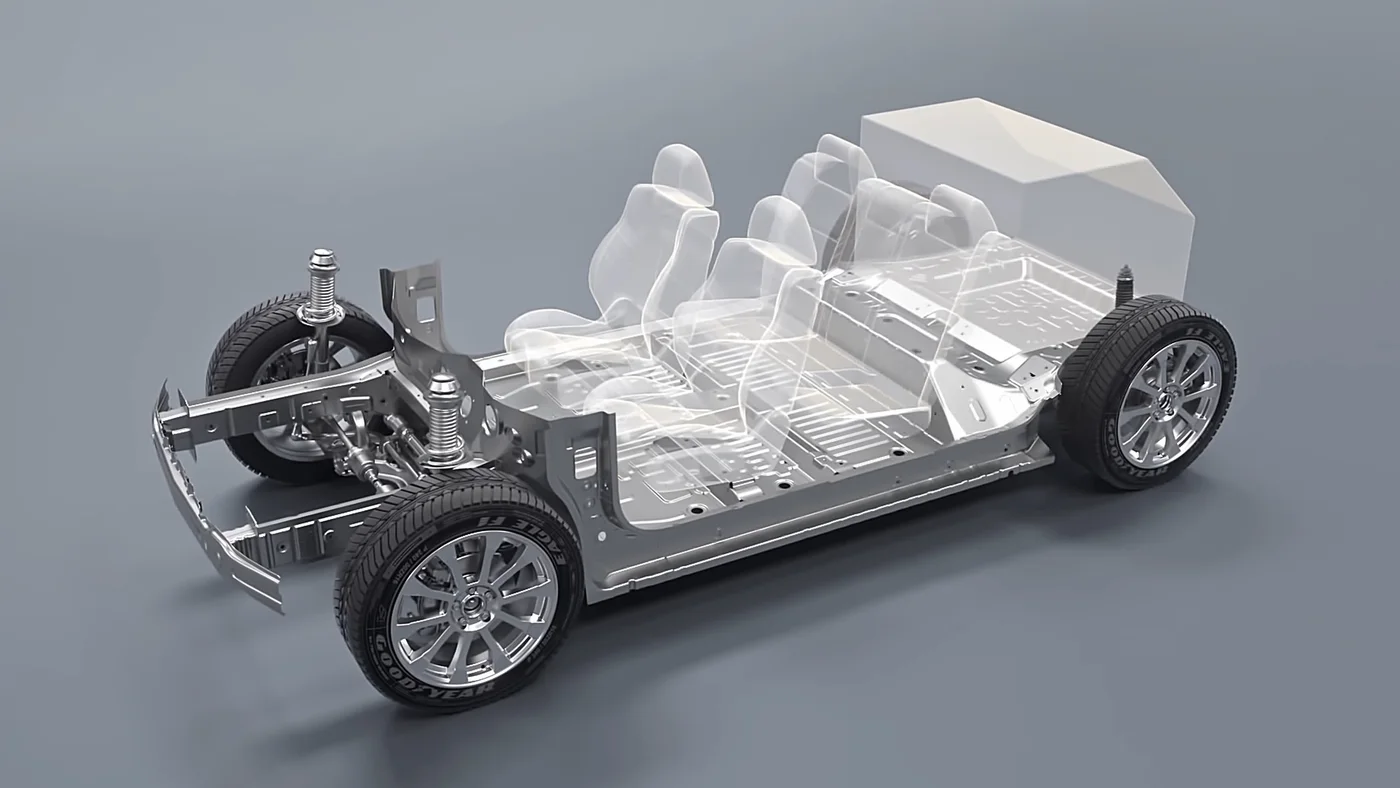
The Vigo sits on a modern dedicated electric platform with a high-strength steel body, and the LFP battery and simple front-drive layout are low-maintenance by nature. The finish is less convincing: harder plastics lower down, occasional trim rattles on broken roads, and early reports of loose fitments that Dongfeng has since addressed in production. Long-term reliability is also unproven, since the car has only been on Nepali roads since late 2025. Nothing points to a fundamental problem, but it does not yet feel as tightly assembled as the best of its rivals.
Value & ownership
Price and value8.0
Value is the Vigo's clearest argument. Few electric SUVs in Nepal give you this much space and a list of comfort features this long at the money. The E2 keeps the same body, motor, airbags and camera, so it still feels complete for city buyers. The E2+ is where the value peaks, though, since its bigger battery, far faster charging and driver assistance suite matter far more than the moonroof and bigger wheels that come with them. Against more established rivals you give up some driving polish, brand reputation and resale confidence, but on sheer equipment per rupee it is hard to match.
Ownership cost8.0
Running costs are low. Charged at home, the cost per kilometre is a small fraction of a petrol SUV's, the efficient drivetrain keeps energy use down, and an EV's routine servicing is simpler with fewer wear parts. The LFP battery's long warranty limits the biggest long-term worry. The unknown is resale value, which is harder to predict for a newer brand than for an established one.
After-sales support6.0
Dongfeng is sold and serviced in Nepal by MAW Vriddhi Motors, part of a group with a long history of selling and supporting vehicles here, and more than 2,000 Nammi models are already on Nepali roads. That gives the brand a sturdier footing than many newcomers, with a flagship showroom and service in Kathmandu and an extended warranty programme on offer. It is still a young EV operation, though, so parts availability and technician experience have less of a track record than the market leaders'.
Service outside Kathmandu5.0
Outside the valley, Dongfeng dealers operate in Pokhara, Chitwan, Butwal, Biratnagar and Nepalgunj, with more towns planned. That covers the main cities, but it is thinner than the longest-established networks, and full workshop capability varies by location. If you live outside a major city, check what your nearest dealer can handle before you buy.
Verdict
The Dongfeng Nammi Vigo is a thoughtfully packaged, generously equipped electric SUV that plays directly to what Nepali families need. Its roomy rear seat, clever split tailgate and deep three-level boot make it genuinely practical, while both battery options deliver a real-world range close to their ratings and running costs are low. Six airbags, a 360 degree camera and, on the E2+, a full driver assistance suite round out a kit list that few rivals match at the price. In return you accept vague steering, a chassis that prefers a gentle pace, some cheap cabin plastics and a brand whose reliability, crash safety and resale value are not yet proven. For buyers who put space, equipment and value ahead of driving polish and badge, it is one of the most sensible electric SUVs on sale in Nepal.
Good
A roomy, generously equipped electric SUV with a real-world range close to its rating, let down mainly by vague steering and an unproven brand.
Kushal Rajbhandari
Sep 23, 2026
A roomy, generously equipped electric SUV with a real-world range close to its rating, let down mainly by vague steering and an unproven brand.
Kushal Rajbhandari
Sep 23, 2026
FAQ
What is the difference between the Nammi Vigo E2 and E2+?
Both share the 99 kW motor, body, six airbags and 360 degree camera. The E2 has a 44.94 kWh battery rated for 300 km WLTP with 60 kW-plus DC charging. The E2+ has a 51.87 kWh battery rated for 350 km, 167 kW DC charging, the DJI driver assistance suite with automatic emergency braking and adaptive cruise, a moonroof, adaptive headlights, an external speaker and 18-inch alloys in place of the E2's 17-inch set.
What is the real-world range of the Dongfeng Nammi Vigo?
Expect roughly 300 to 340 km from the E2+ and around 260 to 290 km from the E2 in mixed Nepali driving. Gentle highway driving in cool weather can match the WLTP ratings of 350 km and 300 km, while fast driving and long climbs with a full load bring the figures lower.
How long does the Nammi Vigo take to charge?
The E2+ is rated for up to 167 kW DC, good for 80 percent in about 18 minutes, but most public chargers in Nepal deliver less, so a half-hour stop is more realistic. The E2 accepts a little over 60 kW and reaches 80 percent in about 30 minutes. At home, a 7 kW wall box fills the battery in roughly eight hours overnight.
Is the Nammi Vigo good for Nepali roads?
Yes, for most use. Around 190 mm of ground clearance clears speed breakers and rough stretches, the ride is comfortable, and it climbs hills well. The rear axle can get unsettled over repeated sharp bumps, and the tyres are better suited to tarmac than loose gravel.
How much boot space does the Nammi Vigo have?
About 500 litres with the rear seats up, split across a three-level floor, and over 1,000 litres with them folded. There is also a small front boot for charging cables, and the lower tailgate folds down into a seat.
Is the Dongfeng Nammi Vigo safe?
Every Vigo gets six airbags, stability control, traction control and a 360 degree camera, and the E2+ adds automatic emergency braking and the rest of the driver assistance suite. It has not yet been through an independent crash test, so its crash performance is not proven.
Where can I service a Dongfeng Nammi Vigo in Nepal?
MAW Vriddhi Motors handles Dongfeng sales and service, with a flagship showroom in Kathmandu and dealers in Pokhara, Chitwan, Butwal, Biratnagar and Nepalgunj. Check workshop capability at your nearest location if you live outside the valley.