

BYD Dolphin review

Kushal Rajbhandari
· Oct 3, 2026
Okay
A roomy, very safe electric hatchback with a soft ride, excellent efficiency and strong BYD support, held back by a modest 70 kW motor, middling real-world range and charging that trails newer rivals.
Kushal Rajbhandari
Oct 3, 2026
A roomy, very safe electric hatchback with a soft ride, excellent efficiency and strong BYD support, held back by a modest 70 kW motor, middling real-world range and charging that trails newer rivals.
Kushal Rajbhandari
Oct 3, 2026
What we like
- Soft, absorbent ride that copes well with potholes and speed breakers
- Roomy cabin with a flat floor and adult-sized rear legroom
- Five-star Euro NCAP rating, six airbags and a full ADAS suite with 360-degree camera
- Very efficient, around 13 kWh/100 km in gentle driving, with a heat pump as standard
- LFP Blade Battery with an eight-year, 160,000 km battery and vehicle warranty
- BYD's wide service network and brand-owned charging stations across Nepal
What could be better
- 70 kW motor runs out of breath at highway speeds and on long climbs
- Real-world range of about 260-300 km falls well short of the 340 km WLTP claim
- 60 kW DC charging is slower than newer rivals, and many public chargers run at 30-40 kW
- Mild regeneration with no one-pedal mode, so long descents need the brakes
- Hard plastics, a small 5-inch driver display and manual seats feel dated
- No sunroof, wireless charger or rear air vents on the Nepali car
The BYD Dolphin is a comfortable, efficient and very safe electric hatchback, and it is a sensible buy for a family that spends most of its time in and around the city. It no longer leads its class, though. Newer rivals bring bigger batteries and noticeably more power for similar money, and the Dolphin's modest motor shows its limits on the highway and on long climbs.
The Dolphin arrived in Nepal in 2023 and became one of the country's best-selling EVs, with well over two thousand on the road. It sits on BYD's e-Platform 3.0 with a 44.9 kWh LFP Blade Battery built into the floor, and a single front motor making 70 kW and 180 Nm. Nepal gets one version, the Dynamic Standard Range, and the 2025 update added an NFC and Bluetooth phone key and an LFP 12-volt battery in place of the old lead-acid unit.
The cabin is roomy for the car's size, the ride is soft, and the standard safety kit covers a full driver-assist suite, a 360-degree camera and a five-star Euro NCAP rating. The trade-offs are the range, which falls well short of the claim on hilly days, a 60 kW charging peak that trails newer rivals, and acceleration that fades above town speeds.
Design, interior & features
Design and exterior7.0
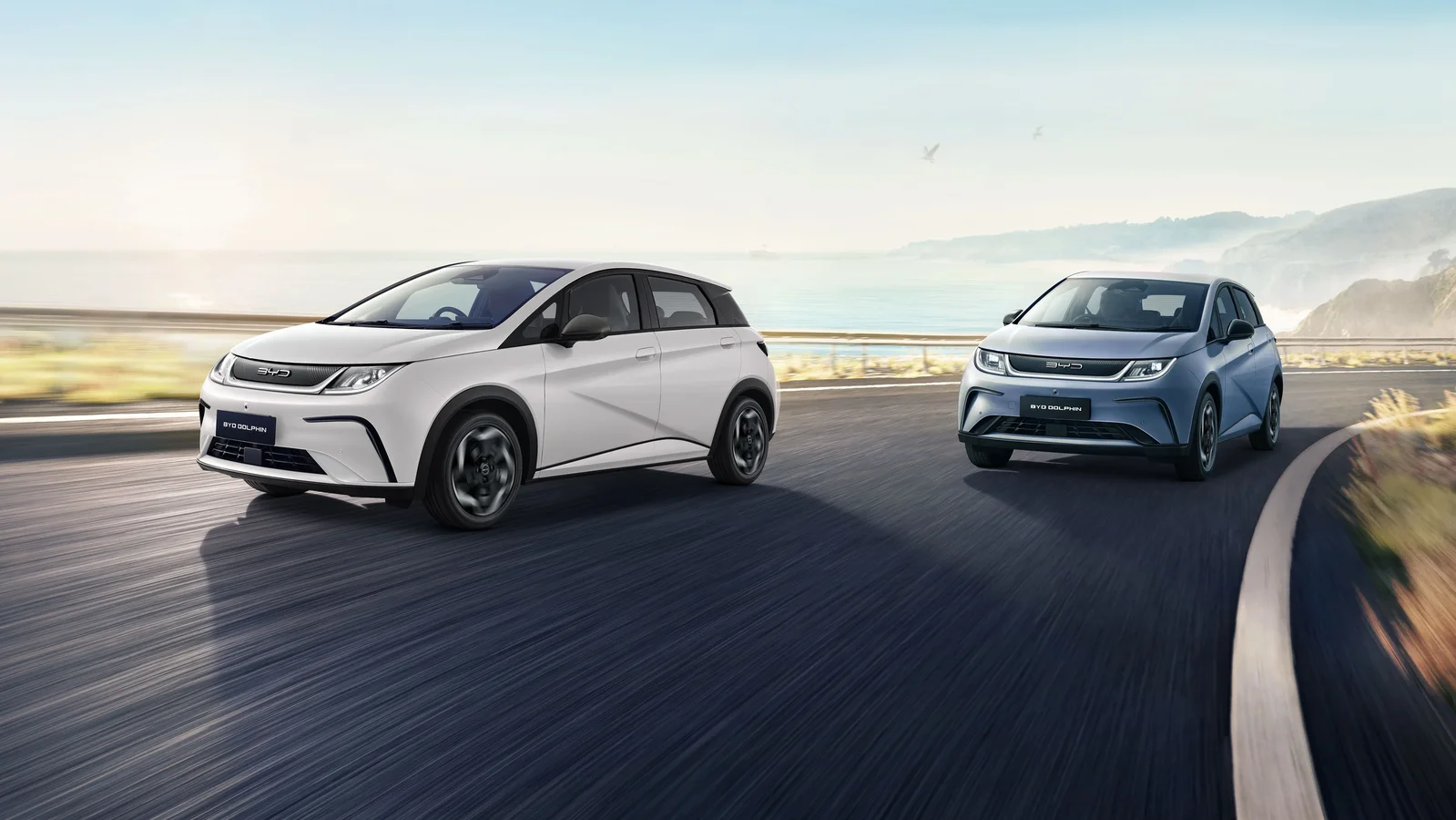
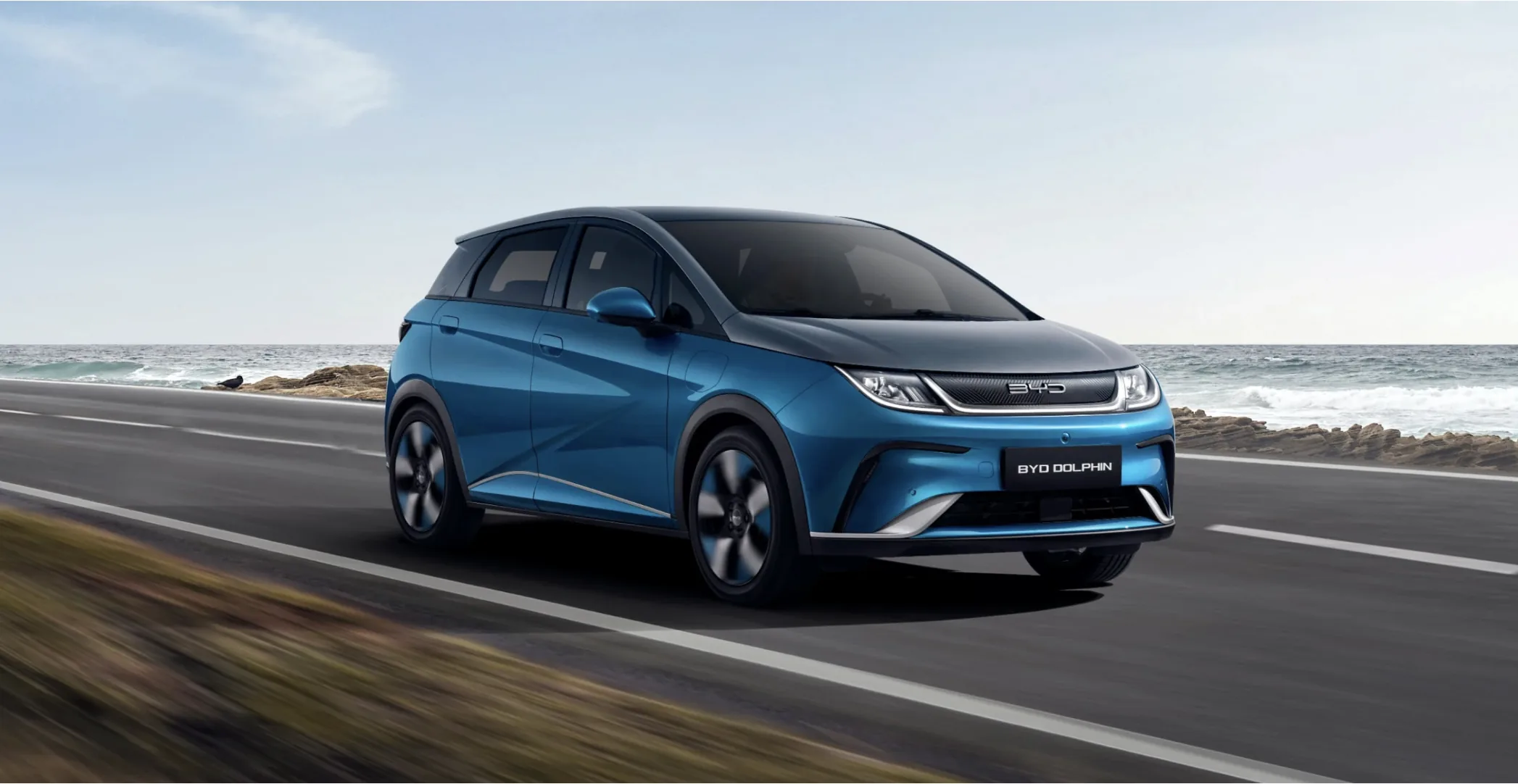
The Dolphin is easy to pick out in traffic. BYD calls the styling "Ocean Aesthetics", and the curved creases on the doors, the fin-shaped door handles and the rounded, upright hatchback profile give it more character than most small EVs. Not everyone will like the cutesy face, but it has worn well since launch and still looks current.
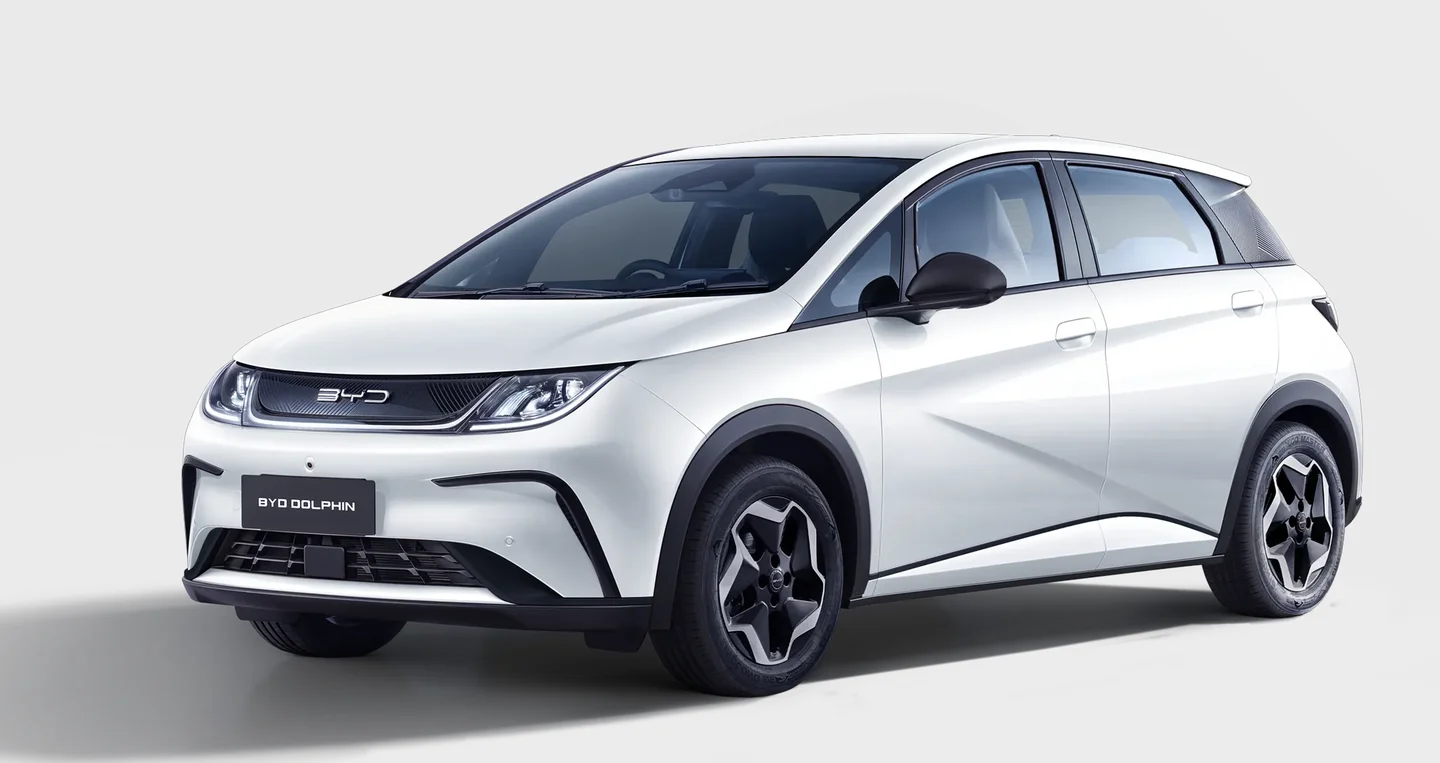
At 4.29 metres long and 1.77 metres wide it is a compact car to place and park, yet the wheels are pushed right to the corners, which is where the long wheelbase comes from. The rear is the best angle, with a slim LED light bar running the full width of the tailgate.
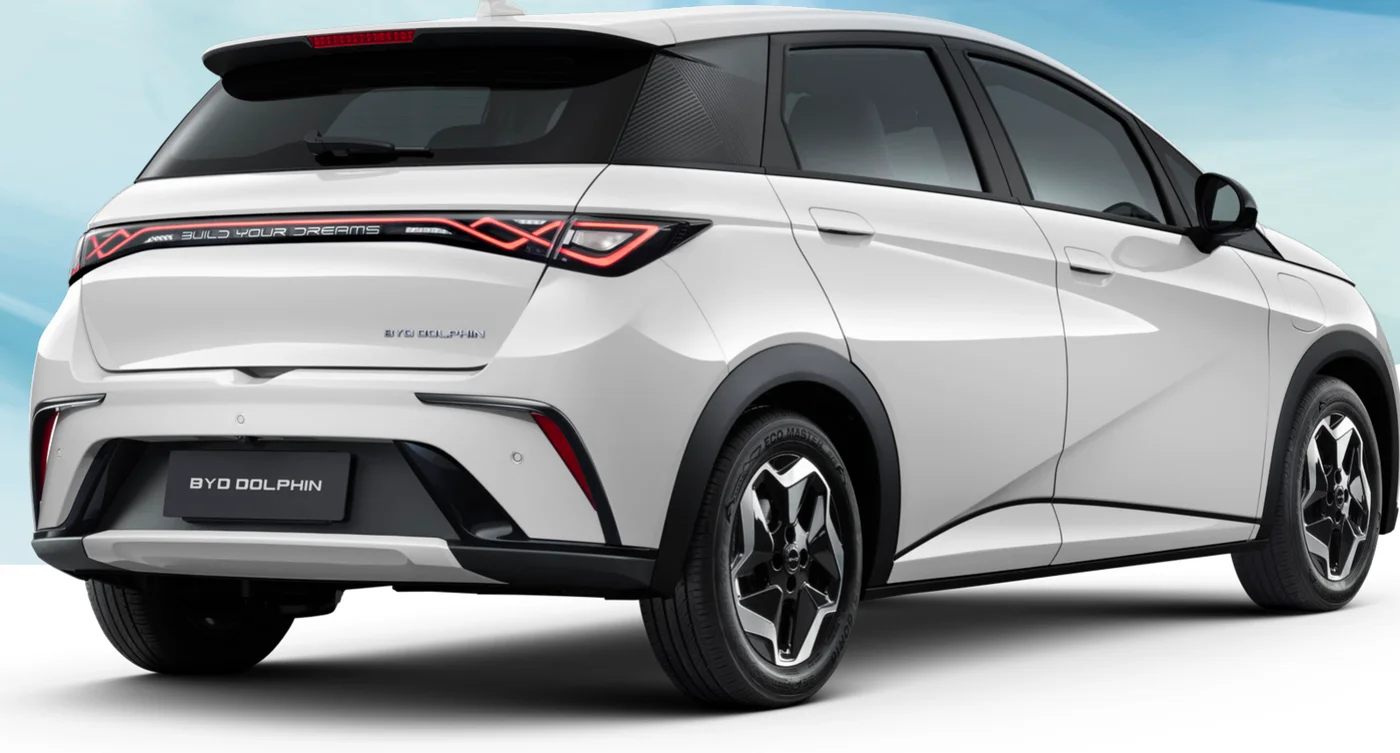
The Nepali car rides on 16-inch alloys with 195/60 tyres, a size that favours comfort over looks and is cheap to replace. Four colours are listed, Sand White, Maldive Purple, Coral Pink and Urban Grey, with the pink and grey bringing their own matching cabin trim.
Interior, space and practicality7.0
Inside, the battery sits flat under the floor and the wheelbase is as long as some mid-size SUVs', so there is genuine legroom in the back for adults and a flat floor that makes the middle seat usable. Headroom is fine for most passengers. The rear bench gets its own USB-A and USB-C ports, though there are no rear air vents, which you will notice on a hot day in the valley.
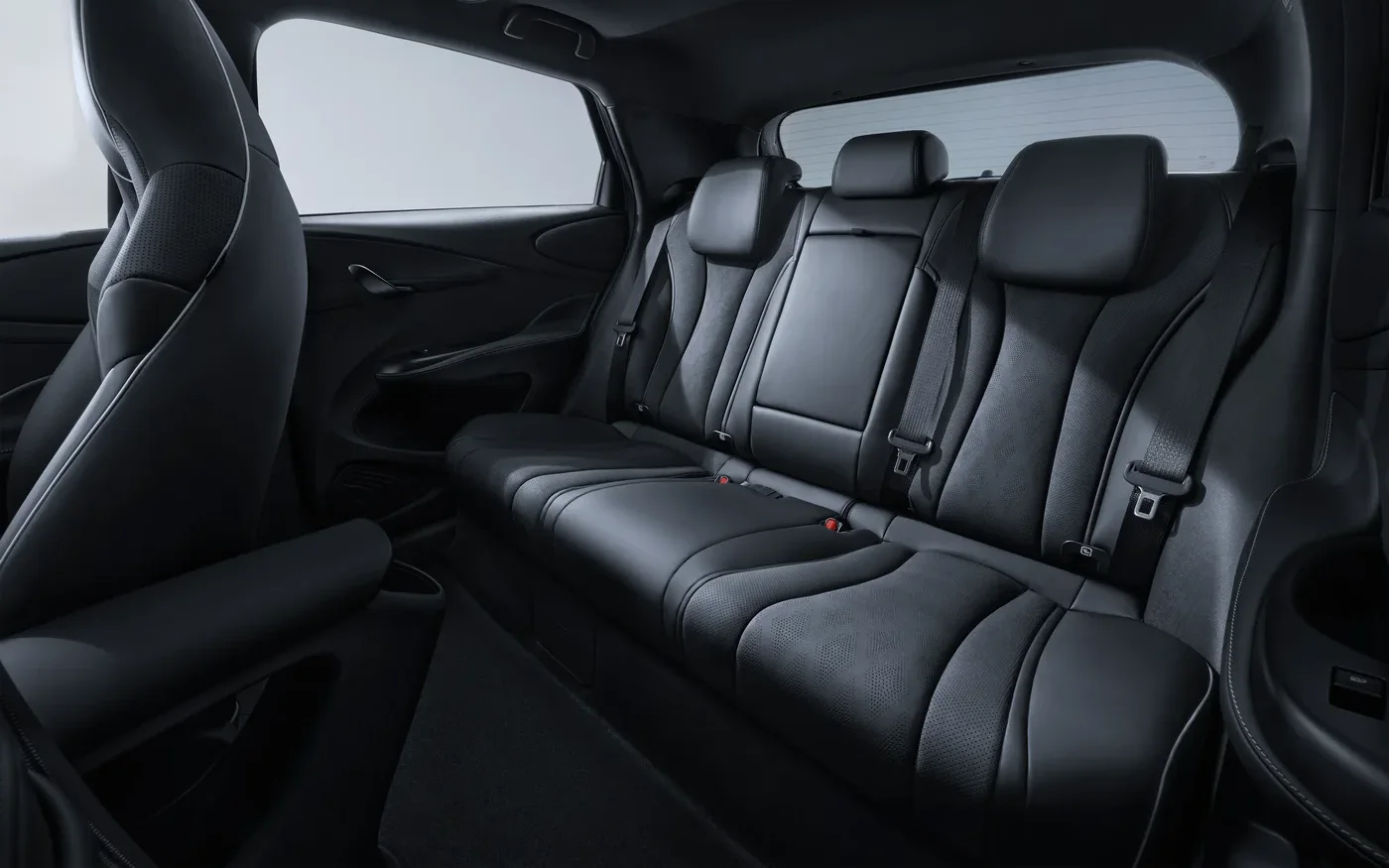
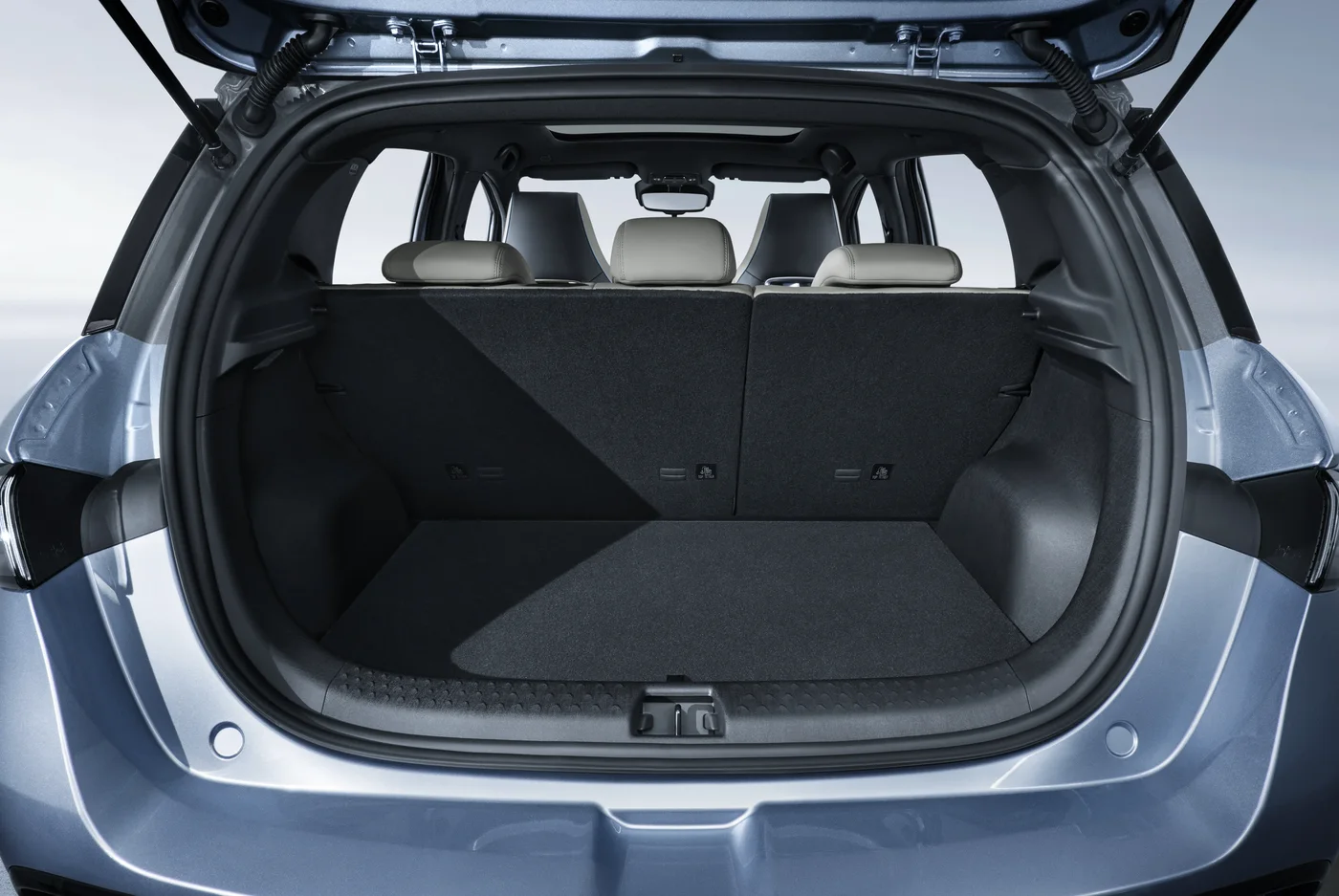
The boot holds 345 litres, which is reasonable for a hatchback of this length, and the 60/40 split rear seat folds to free 1,310 litres. Storage up front is good too, with large door pockets, a covered central bin and a tray under the floating centre console.
The cabin has plenty of style. The dashboard swoops, the door handles echo the dolphin theme, and the synthetic leather seats with contrast panels look smart. Look closer and there are hard, scratchy plastics on the tunnel, the door cards and the top of the dash, which put it behind newer BYDs on perceived quality. Both front seats adjust manually only, six ways for the driver and four for the passenger, and there is no seat heating or ventilation on the Nepali car.
Features and technology7.0
The centrepiece is a 12.8-inch touchscreen that rotates between landscape and portrait at the press of a button, paired with a small 5-inch digital display behind the wheel. Satellite navigation is built in with three years of free map updates, the English voice assistant handles basic commands, and wired Apple CarPlay is listed. Android Auto support is worth confirming on the car you are offered. The software is quick enough but not always intuitive, and some owners find connections drop now and then.
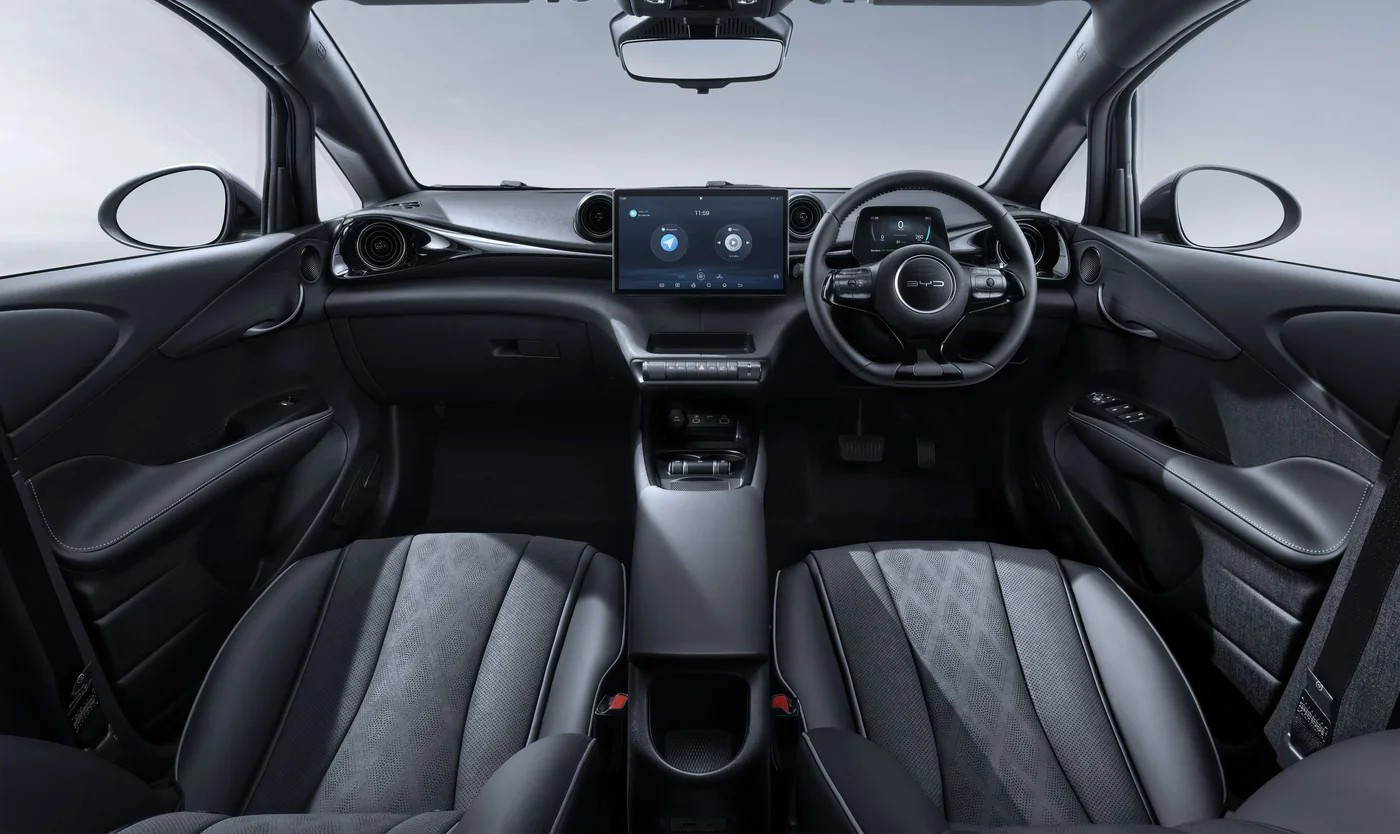
The rest of the list is generous for the class. You get keyless entry and start with a card key, an NFC and Bluetooth phone key, automatic climate control with a PM2.5 filter, a heat pump, six speakers, an electric parking brake with auto hold, and electrically folding, heated door mirrors. Vehicle-to-load lets you run appliances off the battery, which is useful during a power cut or at a campsite.
What it lacks next to newer rivals is a larger driver display, a wireless phone charger, powered seats and a sunroof. None of them is on the Nepali car, so ignore foreign reviews that praise the glass roof and heated seats.
Range, battery & charging
Real-world range6.0
The Dolphin claims 340 kilometres on the WLTP cycle. In mixed Nepali driving, with traffic, climbs and the air conditioning running, expect roughly 260 to 300 kilometres. Gentle city running sits at the top of that band, and a loaded climb out of the valley or a fast highway stretch pulls it towards 250. Steady highway speeds are the weak spot, because a small, upright hatchback uses more energy at 80 km/h and above than it does in town.
That is several days of valley commuting on a charge, and a Kathmandu to Pokhara run is possible in careful driving, though most owners will plan a top-up. Next to the bigger batteries in the MG4 and Nammi Vigo E2+, the Dolphin covers less ground, and that gap matters most on longer trips.
Battery7.0
The 44.9 kWh Blade Battery uses LFP chemistry and is built into the floor as part of the body structure. LFP is thermally stable, copes well with heat and is happy to be charged to full regularly, and BYD's pack has a strong safety record. The capacity is modest for this part of the market, which is what holds the range back. The 2025 car also swapped its 12-volt lead-acid battery for an LFP unit, a fix for the flat-battery complaints early cars collected.
Efficiency and running cost8.0
Efficiency is a real strength. Tested consumption sits around 13 kWh per 100 kilometres in gentle mixed driving and lower still in slow traffic, which is excellent for a car this size. Nepal's climbs, air conditioning and highway runs push it higher, which is why real-world range lands below the claim, and the standard heat pump keeps winter losses down. Running costs are correspondingly low: home charging costs a fraction of petrol per kilometre, servicing is light, and 195/60 R16 tyres are a common, affordable size.
The distributor's warranty covers the battery and vehicle for eight years or 160,000 kilometres, subject to its terms, which is long by Nepali standards and takes most of the worry out of buying a high-mileage example later.
Charging6.0
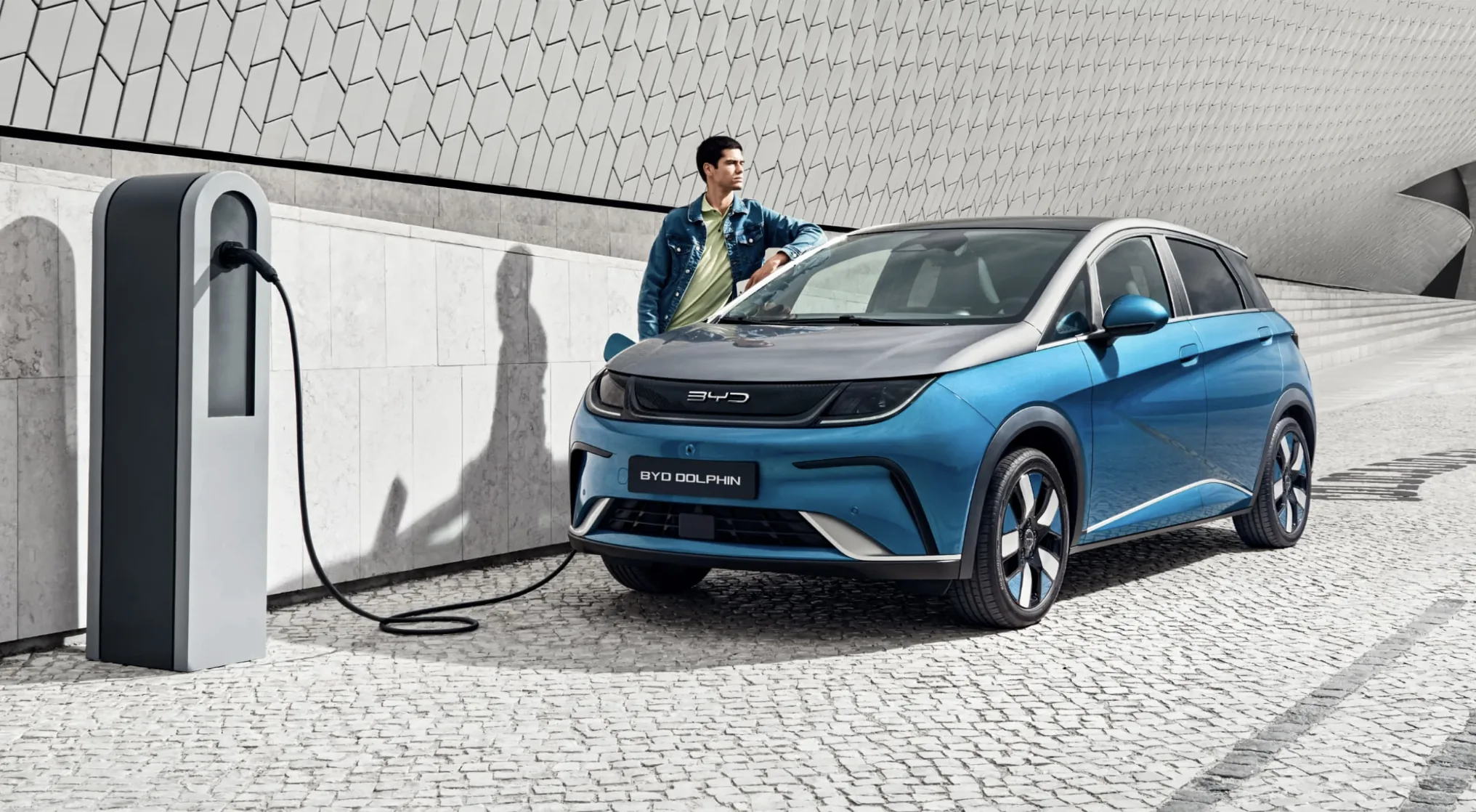
The Dolphin charges at up to 60 kW on a CCS2 DC charger, which takes it from 20 to 80 percent in about 42 minutes, and at up to 7 kW on Type 2 AC, which fills it from empty in about seven hours. That makes overnight home charging easy and a highway top-up a coffee-length stop, but newer rivals charge faster, and many public chargers in Nepal run at 30 to 40 kW, which slows a stop further.
- Peak power
- 60 kW (CCS2)
- 20-80%
- About 42 min
- Peak power
- 7 kW (Type 2)
- 0-100%
- About 7 hours
Charging availability8.0
BYD's distributor runs one of the largest brand-owned charging networks in Nepal, with more than 60 stations in the cities and along the Prithvi, East-West and BP highways, and the BYD app shows which are free. Many of those units run at 30 to 40 kW rather than the Dolphin's full 60 kW, so stops take a little longer than the spec suggests. The car uses the common CCS2 and Type 2 connectors, so NEA and private chargers work without adapters, and a 7 kW home charger has been included under recent offers, so confirm that at purchase.
Performance & driving
Performance and hill climbing5.0
The single 70 kW, 180 Nm motor gets the Dolphin from 0 to 100 km/h in 12.3 seconds. Off the line it feels brisk enough, and the instant torque makes it easy to slot into gaps in Kathmandu traffic up to about 50 km/h. Beyond that the pace tails off, overtakes on the highway need a clear stretch and a full press of the pedal, and the car never feels relaxed at sustained highway speeds.
Hills show the same pattern. The torque gets it up the valley-rim climbs without drama, but on a long ascent with four people aboard progress is leisurely, and it is the slowest car in its price bracket by a clear margin. Coming down, regeneration is mild even at its stronger setting and there is no one-pedal mode, so on descents like Nagdhunga or Sindhuli you will use the brakes more than in some rivals, though the disc brakes on all four wheels cope well.
Driving experience, ride and handling7.0
The suspension is soft and absorbs potholes, patched tarmac and speed breakers better than most small cars, and the cabin stays calm over broken roads. Push hard through a bend and the body rolls, and the steering is light and predictable but not especially sharp. The Nepali car uses a simpler torsion-beam rear axle rather than the multilink set-up on bigger-battery Dolphins abroad, which shows in a slightly busier rear over sharp bumps.
Thick front pillars can hide pedestrians at junctions, and the lane-keeping system tugs at the wheel more than it should on narrow, poorly marked roads, so many owners switch it off at each start. Wind and tyre noise rise at highway speed, though around town it is quiet and easy.
Road tolerance7.0
With 175 millimetres of ground clearance and short overhangs, the Dolphin copes with most Kathmandu streets, speed breakers and unpaved driveways if taken with care. The long wheelbase is the catch, since the middle of the car can touch on steep ramps and sharp crests, and the soft suspension compresses further with a full load. The 60-profile tyres help absorb sharp edges, and the battery is well protected under the floor, so it handles rough roads comfortably, though it is not a car for regular rough-track driving.
Safety & build
Safety8.0
The Dolphin scored five stars in Euro NCAP's 2023 tests, with 89 percent for adult occupants, 87 percent for children, 85 percent for vulnerable road users and 79 percent for its safety assist systems. That car was a European version with an extra centre airbag. The Nepali car has six airbags, front, side and curtain, along with ISOFIX mounts on the outer rear seats and pretensioners on the front and rear belts.
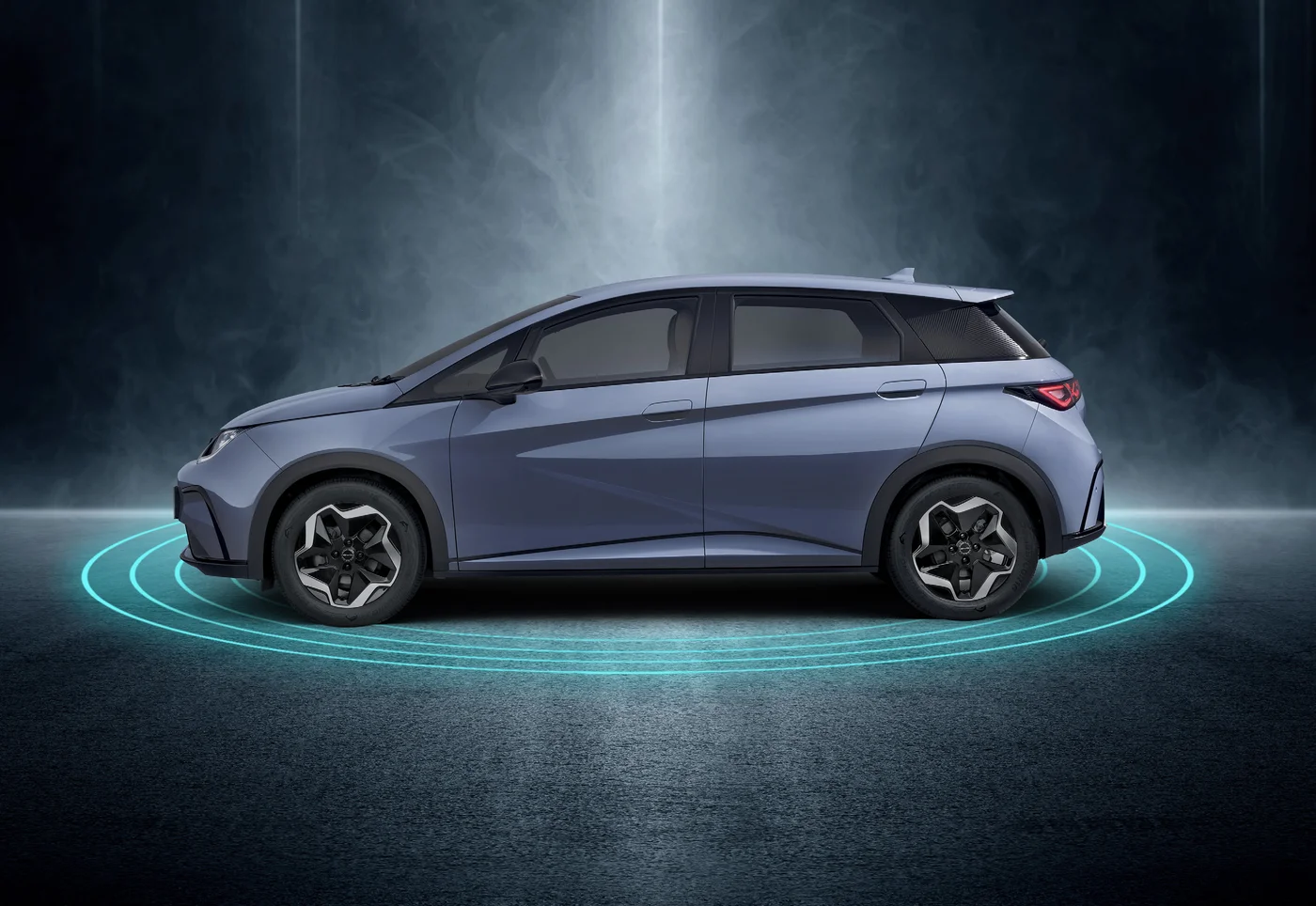
The driver-assist list is unusually complete for the class: adaptive cruise control, automatic emergency braking, lane departure warning and lane keeping, blind-spot detection, rear cross-traffic alert, rear collision warning, high-beam assist and a 360-degree camera, all standard. Blind-spot detection and cross-traffic alert are especially useful in Nepali traffic. The systems can be overeager, with frequent warnings and speed-sign misreads, and their settings reset at every restart.
Build quality and reliability7.0
With more than two thousand Dolphins on Nepali roads since 2023, the car has a solid track record here and no widespread mechanical problems. The Blade Battery and drivetrain have held up well. The early cars' weak spot was the 12-volt battery, which the 2025 update addressed, and owners still report occasional infotainment glitches and dropped phone connections. The body feels well put together.
Value & ownership
Price and value7.0
The Dolphin is the cheapest way into a five-star, fully equipped BYD. A full driver-assist suite, a 360-degree camera, a heat pump and vehicle-to-load are standard, and its efficiency keeps running costs very low.
Its rivals are stronger on paper. The MG4 costs about the same with a larger battery and a stronger motor, the Nammi Vigo E2+ offers more range and power for a little more, and BYD's own Atto 2 is only a small step up, with more power, a more modern cabin and a bigger battery on its upper trims. The Dolphin answers with a softer ride, a five-star rating and blind-spot detection, which the Atto 2's lower trims lack, backed by BYD's support network.
After-sales and service network7.0
BYD's distributor runs one of the widest EV service networks in Nepal, with 14 service centres, two in Kathmandu and the rest in Pokhara, Butwal, Narayanghat, Hetauda, Birgunj, Janakpur, Biratnagar, Itahari, Birtamode, Nepalgunj, Dang and Dhangadhi, and more planned. With so many Dolphins sold, the network knows the car well. Hill districts away from the main highways are still a long drive from a service centre, though an EV needs little routine work.
Editor's opinion7.0
The Dolphin still rides well and carries more safety kit than most rivals, and BYD's network makes it an easy car to own. Against the Atto 2, though, it gives away power, equipment and a newer cabin for a small saving, so we would point most buyers at the Atto 2 unless the Dolphin's lower price or hatchback size matters most.
Verdict
The BYD Dolphin built its popularity on the right things: a roomy cabin in a compact body, a soft ride that suits Nepali roads, excellent efficiency and a safety package that was well ahead of the class when it arrived. Those strengths still hold, and the eight-year warranty and BYD's wide service and charging network make it a low-risk buy. It has aged in other areas. Its 70 kW motor is the weakest of its price rivals, its 44.9 kWh battery and 60 kW charging trail newer cars, and the cabin's hard plastics and small driver display feel dated next to BYD's own Atto 2. It remains a good city and family car for buyers who value comfort and support over pace and range.
Okay
A roomy, very safe electric hatchback with a soft ride, excellent efficiency and strong BYD support, held back by a modest 70 kW motor, middling real-world range and charging that trails newer rivals.
Kushal Rajbhandari
Oct 3, 2026
A roomy, very safe electric hatchback with a soft ride, excellent efficiency and strong BYD support, held back by a modest 70 kW motor, middling real-world range and charging that trails newer rivals.
Kushal Rajbhandari
Oct 3, 2026
FAQ
What is the real-world range of the BYD Dolphin in Nepal?
Expect roughly 260 to 300 kilometres in mixed Nepali driving against the 340-kilometre WLTP claim. Slow city traffic gets the most out of it, while long climbs, high speeds and a full load bring it closer to 250 kilometres.
How long does the BYD Dolphin take to charge?
On a DC fast charger it peaks at 60 kW and goes from 20 to 80 percent in about 42 minutes. On a 7 kW home or wall charger, a full charge from empty takes about seven hours, so plugging in overnight is the easiest routine.
How many airbags does the BYD Dolphin have in Nepal?
The Nepali Dolphin has six airbags: two front, two side and two curtain airbags covering both rows. It also gets a full driver-assist suite and a 360-degree camera as standard.
Does the BYD Dolphin have a sunroof?
No. The Nepali Dolphin does not have a sunroof or panoramic roof. The glass roof seen in some foreign reviews belongs to versions sold elsewhere.
Is the BYD Dolphin good for hill driving?
It manages Nepali climbs, but slowly. The 70 kW motor pulls steadily up valley-rim roads, yet long ascents with a full car feel leisurely, and mild regeneration means you will use the brakes on long descents.
What warranty does the BYD Dolphin get in Nepal?
The distributor covers the battery and vehicle for eight years or 160,000 kilometres, subject to its terms and conditions. Check the exact cover in your purchase documents.
Should I buy the BYD Dolphin or the BYD Atto 2?
The Atto 2 costs a little more but brings a stronger motor, faster charging, a more modern cabin and a bigger battery on its upper trims. The Dolphin makes sense if you want the lower price, a hatchback shape and a very comfortable ride for mostly city driving.