

BYD Atto 1 review

Kushal Rajbhandari
· Sep 22, 2026
Good
A roomy, remarkably efficient and well-equipped city EV that makes a lot of sense in Nepal, held back by a modest motor, slow DC charging and no active safety assists.
Kushal Rajbhandari
Sep 22, 2026
A roomy, remarkably efficient and well-equipped city EV that makes a lot of sense in Nepal, held back by a modest motor, slow DC charging and no active safety assists.
Kushal Rajbhandari
Sep 22, 2026
What we like
- Comfortable, quiet, and refined ride quality for an entry-level EV
- Strong value for money with a well-equipped feature set for the price
- Reasonably fast AC charging plus quick DC fast-charging support
- Compact dimensions make it easy to drive and park in tight city streets
- Smartphone app connectivity for remote lock, unlock, and climate control
- Decent standard safety kit including multiple airbags, parking sensors, and a rear camera
What could be better
- Smaller battery and driving range than pricier EVs, limiting longer trips
- Missing some expected extras such as a sunroof
- Lacks fully sequential LED indicators as standard
- A few reviewers describe the overall package as still somewhat flawed despite being talented for its price
- Limited local ownership history and after-sales track record since it is a newer model in markets like Nepal
The BYD Atto 1 is the most sensible way into a modern electric car in Nepal right now, and it earns that by being honest about what it is: a small, efficient, well-equipped city car with a surprisingly roomy cabin, not a scaled-down SUV. If most of your driving happens inside the valley, with the odd run up to Nagarkot or down to the Terai, it does the job quietly, cheaply and with very little fuss.
It is the smallest car in BYD's Nepal line-up, sitting below the Atto 2, and it rides on the same e-Platform 3.0 with an LFP Blade Battery built into the floor. Two versions are sold here. The Dynamic carries a 30.08 kWh pack rated at 230 kilometres on the WLTP cycle, and the Premium steps up to 38.88 kWh and 300 kilometres. Both use the same 45 kW front motor, which is gentler than the versions sold in Europe and Australia, and that one fact shapes a lot of what follows.
What you get is space, efficiency and a cabin full of useful kit for the outlay. What you give up is pace on the open road, fast-charging speed and the driver-assist systems that bigger BYDs now carry as standard. Judge it as a city car and it is very easy to like. Ask it to be a highway cruiser and the compromises show quickly.
Design, interior & features
Design and exterior7.0
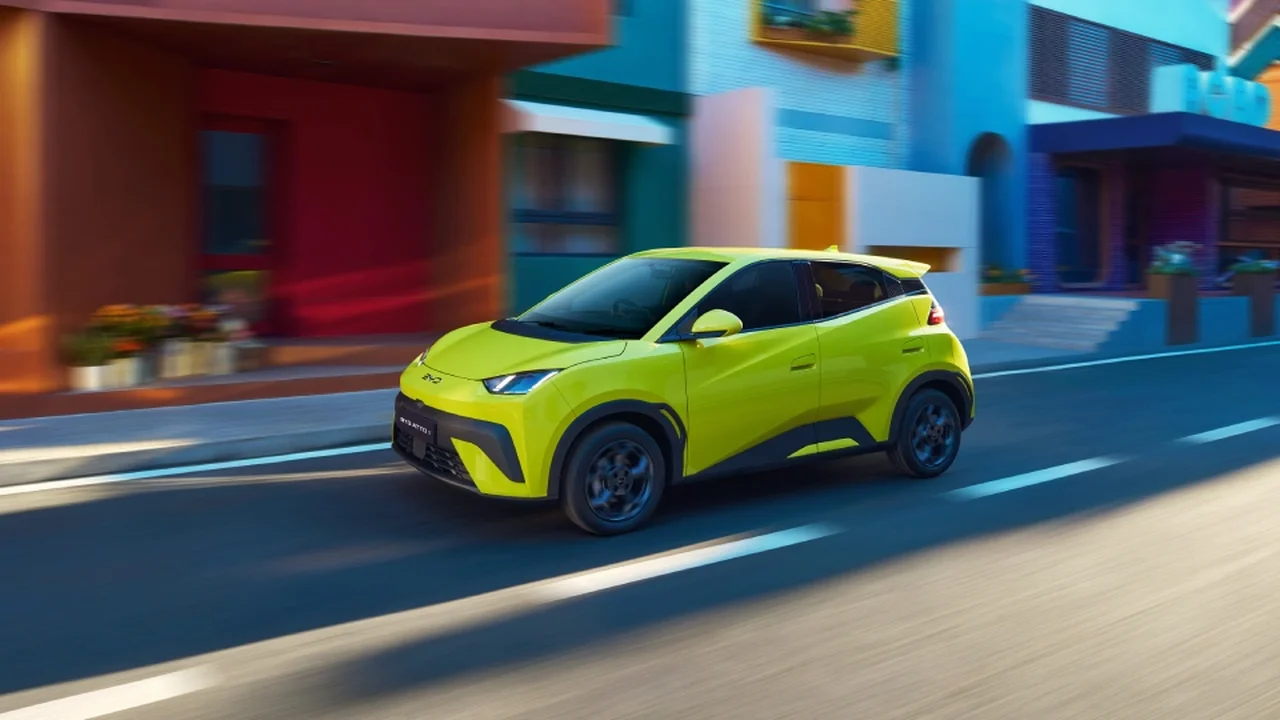
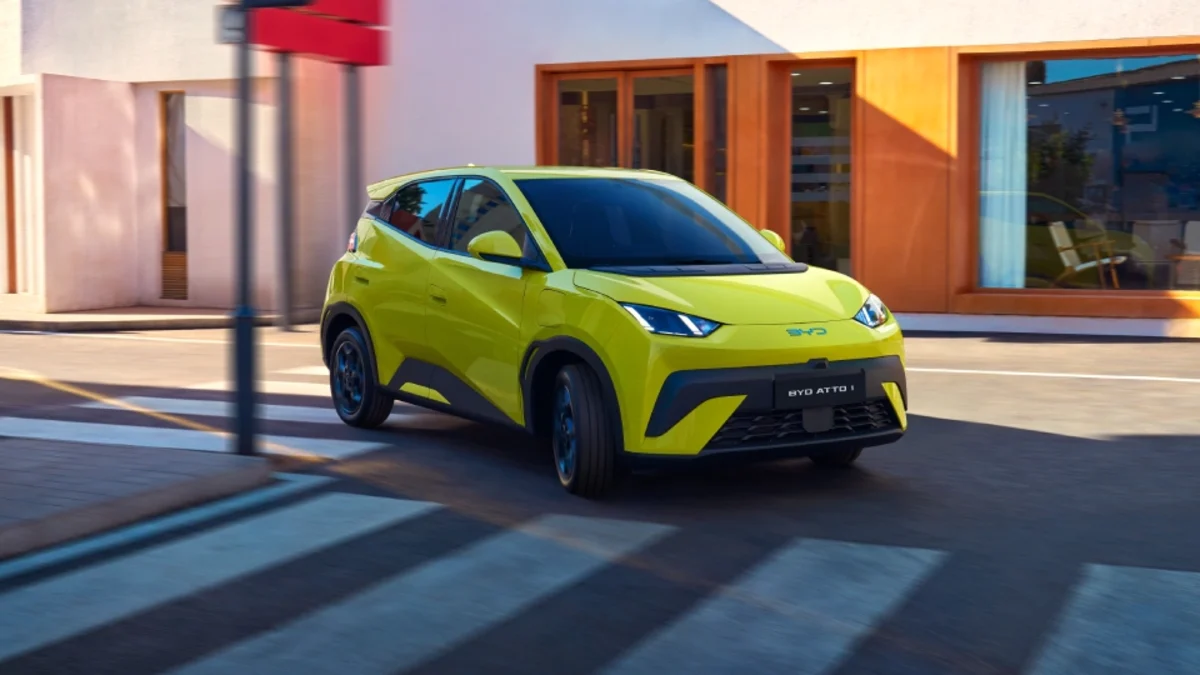
The Atto 1 looks cheerful rather than cheap, which is harder to pull off than it sounds at this size. The sealed front with its slim LED lights, the sculpted bonnet and the chunky lower cladding give it a friendly, slightly tough face, and the raised stance lets it pass for a baby crossover more convincingly than most small hatchbacks.
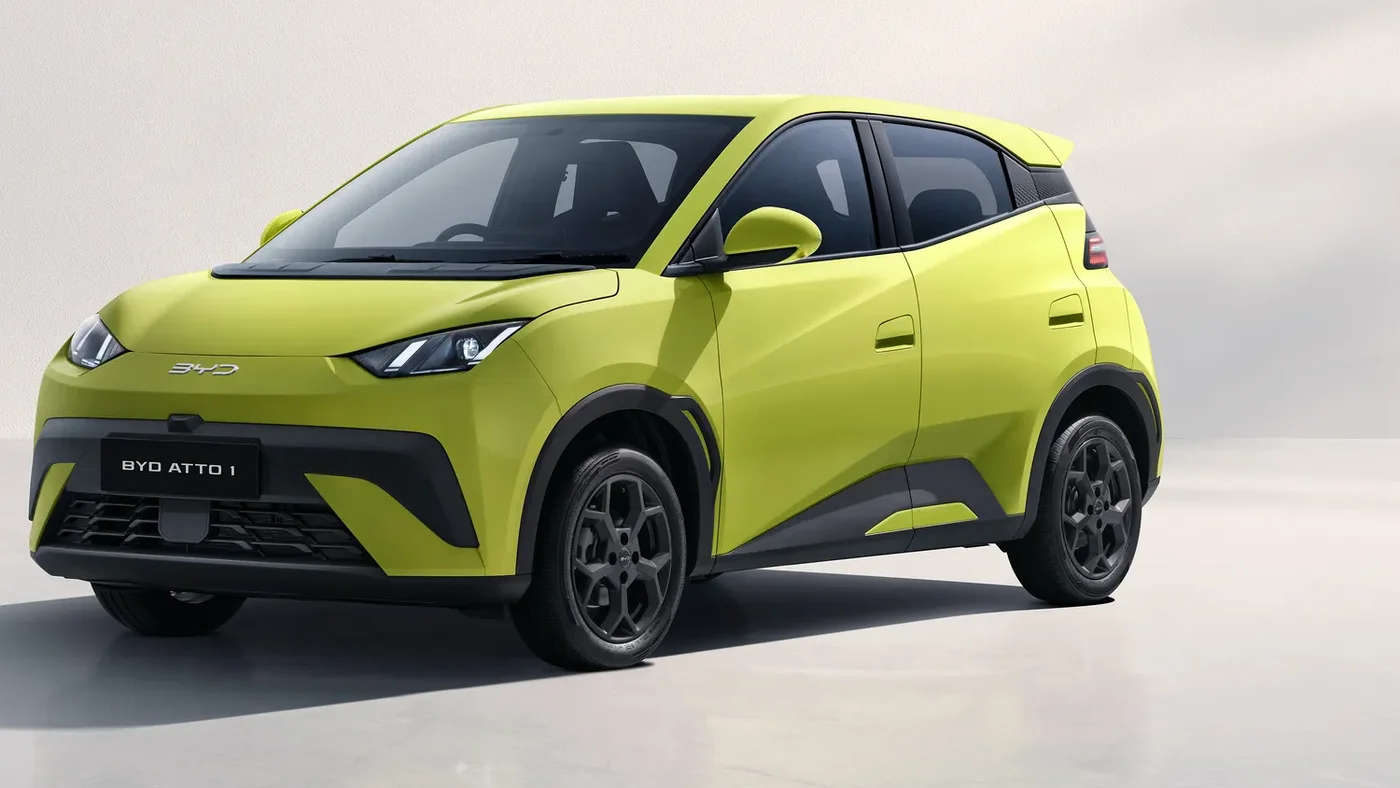
At 3,925 millimetres long and 1,720 millimetres wide it is genuinely compact, so it slots into tight Kathmandu parking and squeezes through gaps that larger cars cannot. It sits on 16-inch alloys with 185/55 tyres, and the rear carries a full-width LED light bar that ties it visually to the rest of the family. Four colours are offered, Sprout Green, Apricity White, Cosmos Black and Arctic Blue. The green suits its personality best, while black makes it look smaller than it is.
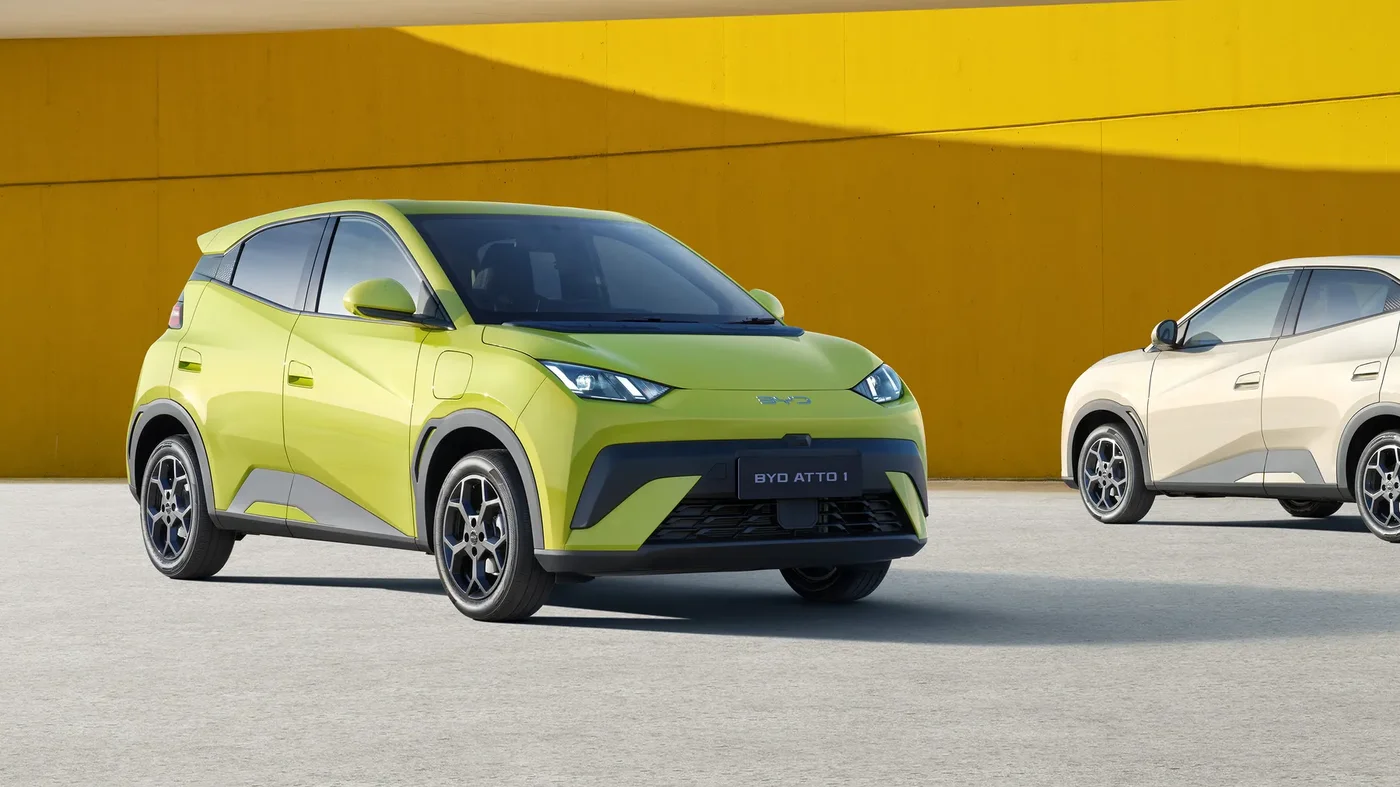
The one practical gripe is at the back. The thick rear pillars and large headrests restrict the view over your shoulder, so the reversing camera and rear sensors do real work here.
Interior, space and practicality7.0
Space is the Atto 1's biggest surprise. A 2,500-millimetre wheelbase on a car this short, together with a flat battery floor, leaves more rear legroom and foot room than the exterior suggests. Two adults fit comfortably in the back and three will manage short hops, which is not something you can say about most cars in this class. Unlike some export versions, the Nepal car keeps a proper five-seat bench.
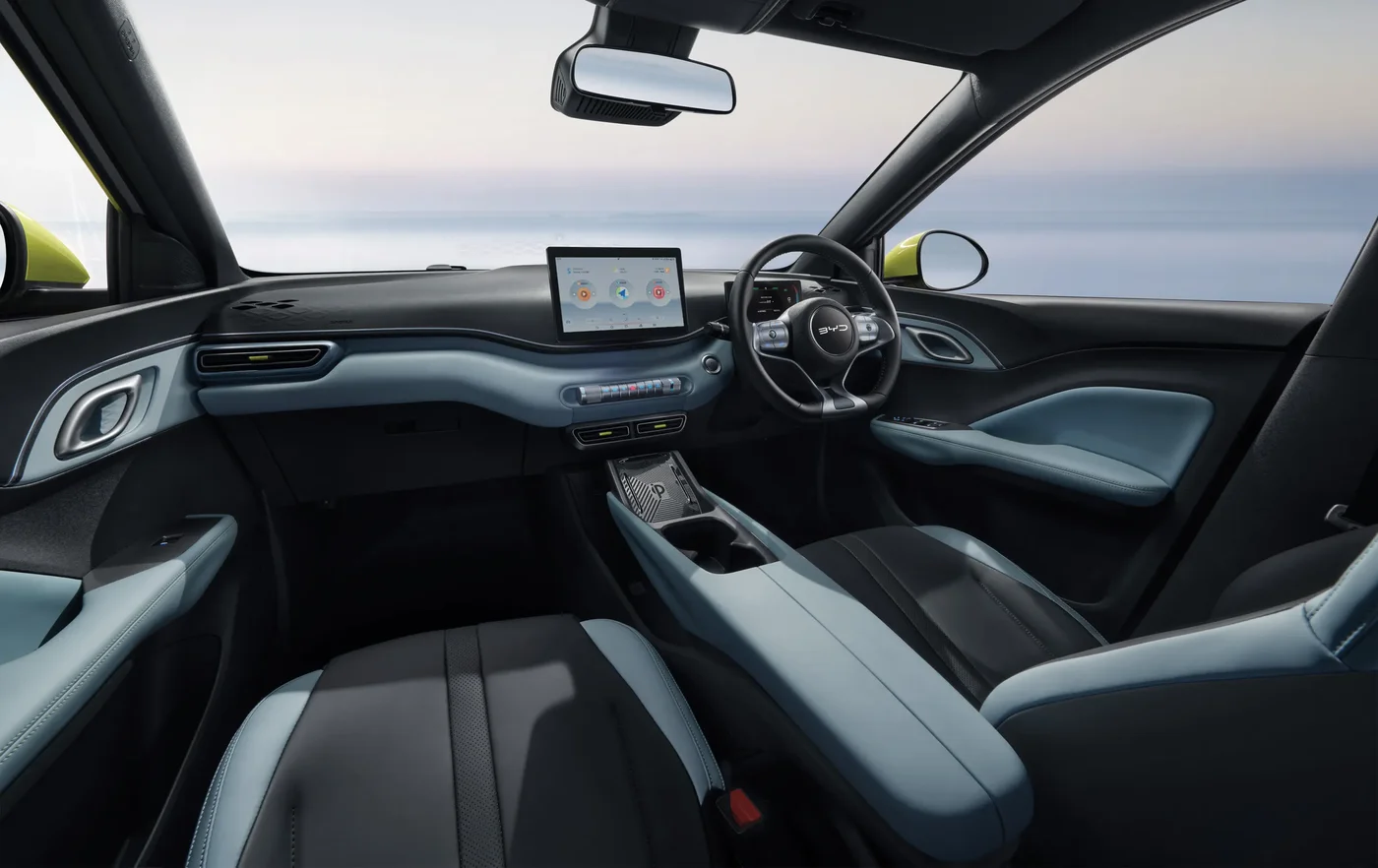
The design of the cabin is more interesting than the materials. The two-tone trim, the sweeping dashboard and the floating console look good and feel modern, but most of what you touch is hard plastic, including the door tops where your elbow rests. It is well assembled and nothing creaks, it just does not pretend to be premium. Storage is sensible, with a large tray under the console, two cupholders, usable door pockets and seatback pouches.
Rear passengers miss out on air-conditioning vents and charging ports, which matters in a Terai summer. The boot is the price paid for all that cabin space: it is short and deep, fine for a weekly shop or a couple of cabin bags, but it fills quickly with luggage for a family trip. Folding the rear seats opens a much larger area, though the floor is not perfectly flat.
The trims differ here too. The Premium gets a six-way powered driver's seat and a four-way adjustable steering column, while the Dynamic makes do with a four-way manual seat and a column that only adjusts for height. Taller drivers should try the Dynamic before they buy.
Features and technology7.0
For a car this size, the Atto 1 is generously equipped. The centrepiece is a 10.1-inch touchscreen that rotates between landscape and portrait, paired with a 7-inch digital driver display, and both trims run wireless Apple CarPlay and Android Auto.
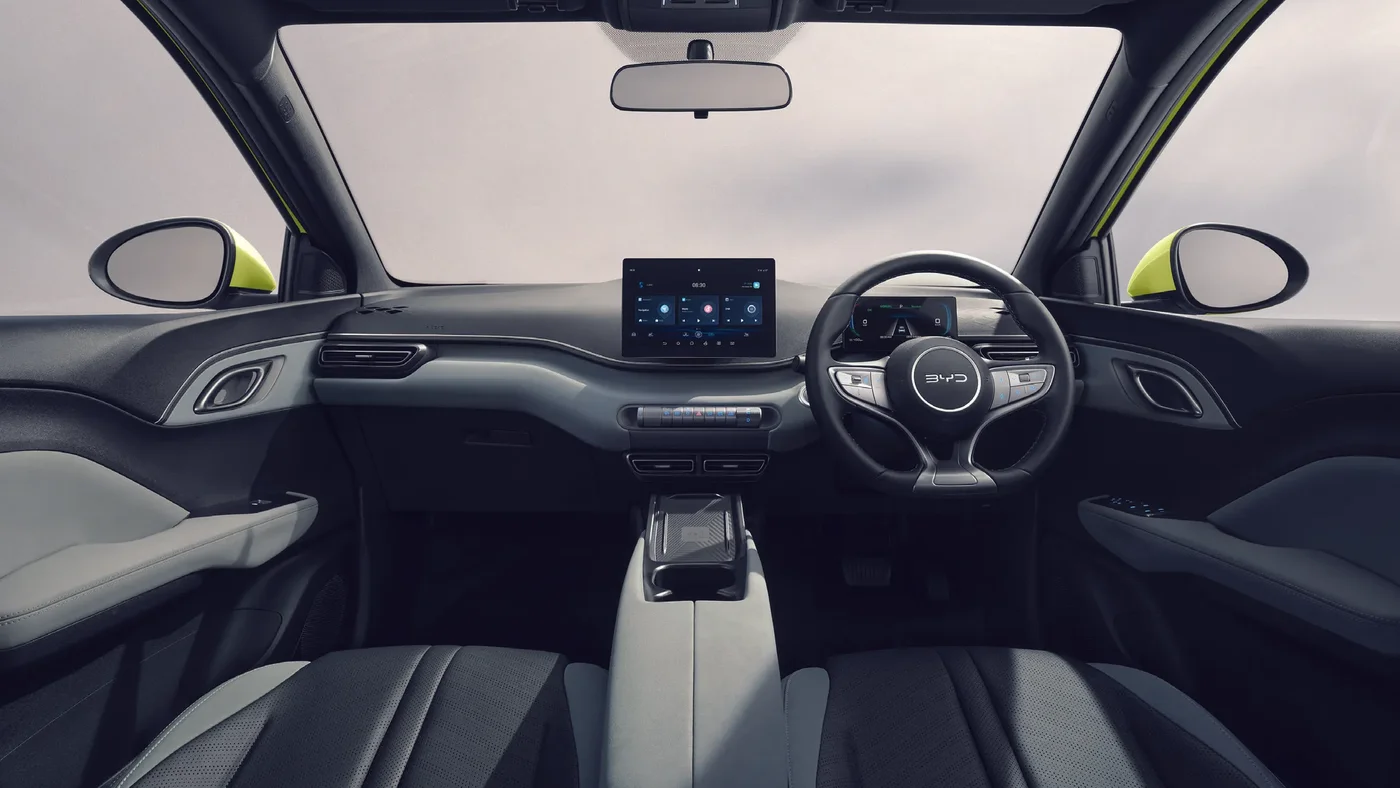
Beyond the screens you get keyless entry and start, a Bluetooth phone key and an NFC card, voice control that responds to both front seats, over-the-air updates, connected services, automatic LED headlights, cruise control, a reversing camera with three rear sensors, auto hold and an electric parking brake. The Premium adds wireless phone charging and a one-touch driver's window.
Vehicle-to-load comes on both trims and is more useful in Nepal than almost anywhere else, able to run a laptop, lights or small appliances off the battery during a power cut or at a picnic spot. The weak points are small ones: the four-speaker sound system is thin, the driver display's graphics are small and hard to read at a glance, and the wireless pad charges slowly. The bigger omission is covered under safety.
Range, battery & charging
Real-world range6.0
The Atto 1 does better on real roads than its modest battery suggests, provided those roads are the kind it was designed for. In city and mixed driving, the Premium gets close to its 300-kilometre rating, and even a fully loaded climb out of the valley returned consumption in the same ballpark.
The Dynamic scales down in proportion, landing somewhere around 210 to 230 kilometres in similar use. That is plenty for a week of commuting in Kathmandu between charges. The picture changes at sustained highway speed, where a small, upright car pushes a lot of air and range falls sharply, so a Kathmandu to Pokhara run in the Dynamic needs a charging stop, and the Premium needs a careful eye on the gauge.
- Battery
- 30.08 kWh
- Range (WLTP)
- 230 km
- DC charging
- 30 kW
- AC charging
- 6.6 kW
- Airbags
- 4
- Battery
- 38.88 kWh
- Range (WLTP)
- 300 km
- DC charging
- 40 kW
- AC charging
- 6.6 kW
- Airbags
- 6
Battery7.0
Both packs are BYD's LFP Blade Battery, built into the body structure rather than bolted underneath it. LFP chemistry is known for long cycle life, good thermal stability and tolerance of regular charging to full, all of which suit Nepal's heat and typical home-charging habits. The pack also has active temperature management. The capacities are small, which is what limits the range, but the technology is a strength, and the long battery warranty in Nepal reflects that confidence.
Efficiency9.0
Efficiency is the Atto 1's quiet superpower. In town and on mixed roads it uses around 12 kilowatt-hours per 100 kilometres, which is exceptional, and the modest 45 kW motor and light 1,225 to 1,280 kilogram kerb weight both help. This is what lets a small battery go as far as it does, and it keeps every unit of electricity working hard. Efficiency drops off at highway speed, as it does in any small, tall car, but in the conditions most owners here will drive, few cars do better.
Charging5.0
Charging is the clearest trade-off in the Nepal-spec car. On AC it accepts 6.6 kW, so a full charge from a wallbox takes around five hours in the Dynamic and six and a half in the Premium, easily done overnight. On DC fast chargers, though, the Dynamic tops out at 30 kW and the Premium at 40 kW, well below what the versions sold overseas can take, and a 20 to 80 percent top-up takes around 40 minutes.
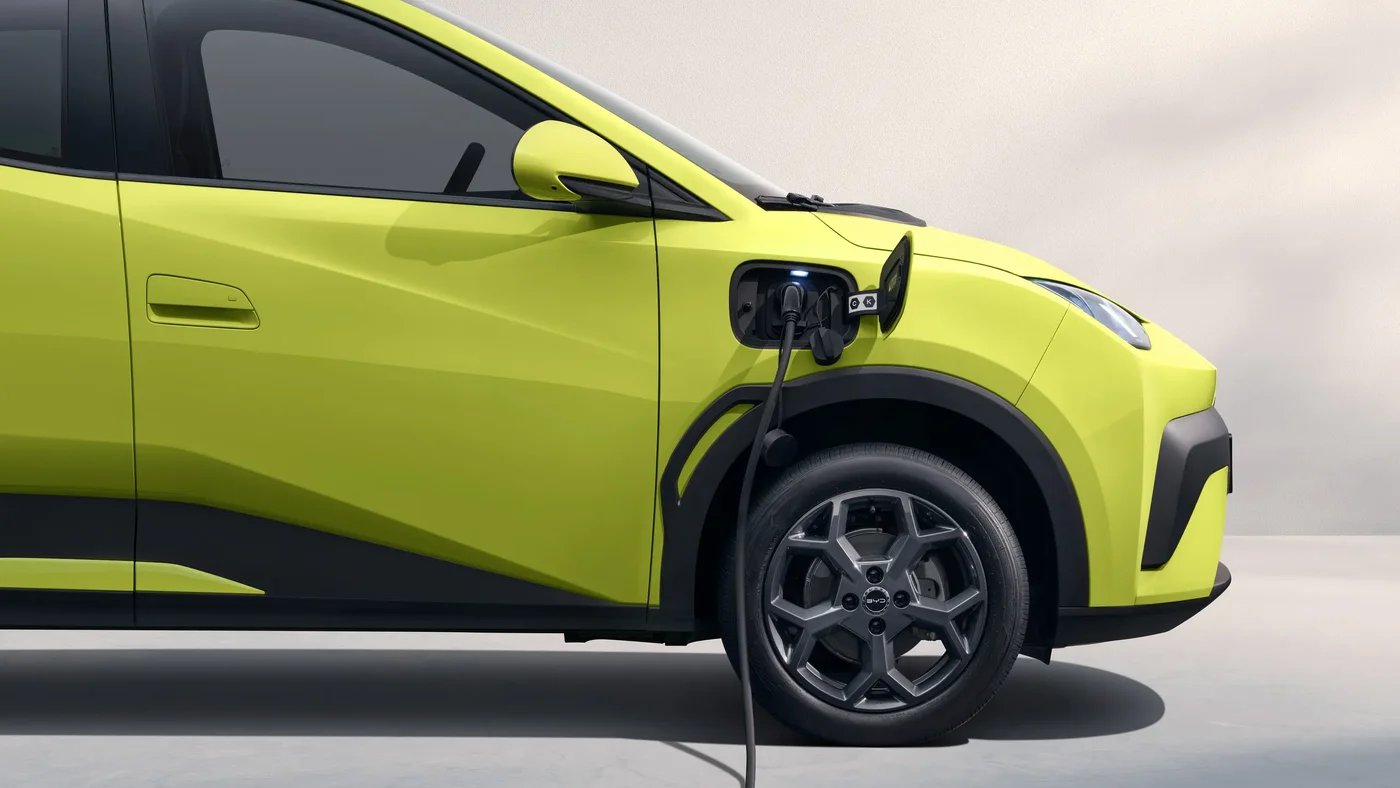
The small batteries soften the blow, because there is less to fill, and slow DC charging matters less in a car that will mostly charge at home. The port is the standard CCS2 on the front wing, which suits Nepal's charging network, although it usually means parking nose-in at a public charger.
Charging availability6.0
The Atto 1 plugs into most public chargers in Nepal without adapters, and BYD's own network of charging stations, together with other operators, covers Kathmandu, Pokhara and the main highway corridors reasonably well. The limits are familiar ones: fast chargers thin out quickly away from the main routes, and advertised speeds are not always what you get. With a small battery and modest DC charging, trips beyond the busy corridors need some planning. Home or office AC charging should be the backbone of ownership, and for a car like this it is also the cheapest and easiest way to run it.
Performance & driving
Performance5.0
The Nepal car's single front motor makes 45 kW and 135 Nm, with a top speed of 130 kilometres per hour. Those numbers read as modest, and on paper they are. In practice, the instant response off the line gets it from standstill to 50 kilometres per hour in about five and a half seconds, which is what counts in Kathmandu traffic, and it darts into gaps with a keenness that petrol cars of this size cannot match.
Out of town, the limits show. Pace fades noticeably above 80 kilometres per hour, overtakes on the highway need a clear stretch and some commitment, and a full car makes that more obvious. It is never dangerously slow, but it is a car you drive flat out more often than you might expect.
Driving experience, ride and handling7.0
In the city, the Atto 1 is a genuine pleasure. It is small, easy to see out of from the front, light on its feet and quiet, and the short length and tight turning circle make U-turns and narrow lanes simple. The steering is a little heavier at parking speeds than you might expect but accurate once moving, and discs on all four wheels give a confident, progressive brake pedal.
The ride is on the firm side of comfortable. It deals well with patchy tarmac and everyday bumps, and stays composed on twisty hill roads, where its agility makes it more fun than most small cars. Hit a proper pothole and the suspension thuds rather than absorbing it, and at higher speeds it is less settled and less refined than bigger cars. Regenerative braking is mild, with no true one-pedal mode, which makes it smooth for passengers but means you will use the brake pedal more than in some rivals.
Hill performance6.0
Nepal's hills are where the 45 kW motor faces its biggest test, and it copes better than the numbers suggest. With five people on board, it climbs steep valley-rim roads smoothly and without drama, the instant torque avoiding the strain and constant downshifting of a small petrol engine. Hill-start assist and auto hold make stop-start climbs in traffic painless.
Long, sustained climbs with a full load are where it runs out of breath, holding speed rather than building it, so expect to settle in behind slower traffic on highway ascents. The mild regenerative braking also recovers less energy and does less to hold the car on long descents like Nagdhunga or Sindhuli, so you will lean on the brakes and a low-regen mode more than in some EVs. It works, but it is a car for the hills around town more than for regular mountain crossings.
Road tolerance7.0
The Nepal-spec car's ground clearance of 175 millimetres is useful. It clears most speed breakers, broken road edges and rough approach roads without scraping, and the short overhangs help on steep driveways. The firm-ish suspension copes with patched and rutted surfaces reasonably well at city speeds, though deep potholes are best taken slowly. It is a road car, not something for dirt trails, but among small EVs it is well suited to the surfaces owners here actually meet.
Safety & build
Safety6.0
The Atto 1's structure is strong. It sits on a rigid platform with the Blade Battery built into the body, and the equivalent car earned five stars in European crash testing. Passive safety is solid too: the Dynamic has four airbags and the Premium six, and both get ESC, traction control, ABS with brake assist, tyre pressure monitoring, ISOFIX mounts and seatbelt reminders front and rear.
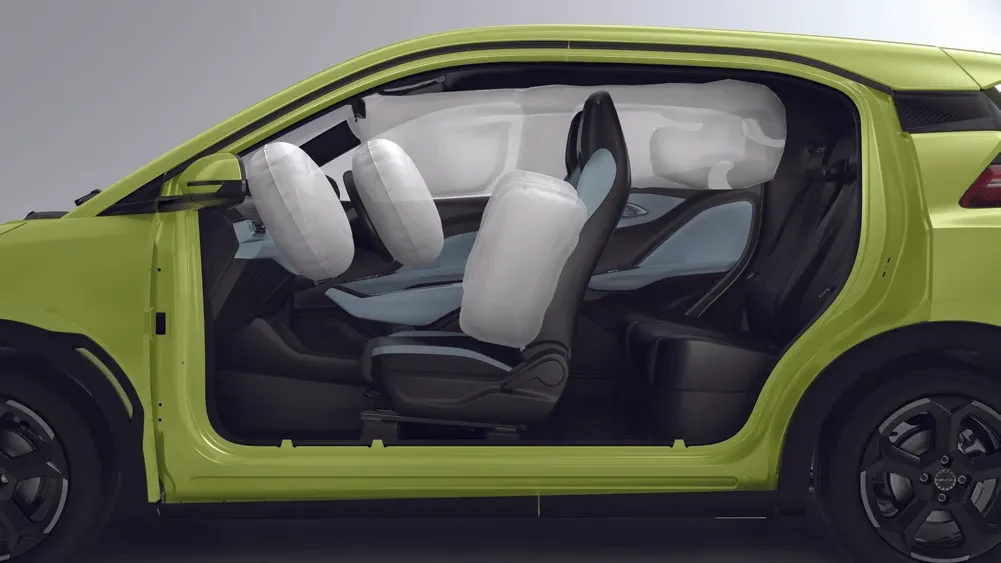
The significant omission is active driver assistance. The Nepal-spec car has no autonomous emergency braking, no lane-keeping and no adaptive cruise, all of which feature in that five-star rating and are increasingly standard in the segment. Some owners will not miss the beeping that comes with them overseas, but automatic emergency braking in particular would earn its keep in unpredictable city traffic, and its absence keeps this score in check.
Build quality and reliability7.0
The Atto 1 feels solidly screwed together, even if the materials are basic. Panels fit well, the cabin is free of rattles and the structure feels stiff and substantial, helped by the structural battery. The LFP battery chemistry has a strong reputation for longevity, and BYD's battery and motor warranty in Nepal runs for ten years or 200,000 kilometres. With well over a thousand cars already on Nepali roads, there have been no widespread reports of problems, though it is still a young model with a short local track record.
Value & ownership
Price and value8.0
Value is the Atto 1's strongest argument. For the money it offers the space, safety structure, equipment and efficiency of a modern EV from a brand with an established local network, and few alternatives in its price bracket come close to that combination. The Premium's larger battery, faster charging and extra airbags make it the better-rounded car, but even the Dynamic delivers a lot of car for the outlay. It is no surprise it has become one of BYD's best-sellers here.
Ownership cost9.0
Running costs are about as low as car ownership gets. Excellent efficiency means each kilometre costs a fraction of the petrol equivalent, especially when charging at home, and an electric drivetrain needs little beyond tyres, brakes, wipers and cabin filters. The small, light car is also gentle on tyres and brakes, and the long battery and motor warranty takes the biggest financial worry out of the equation.
After-sales support7.0
BYD's Nepal distributor has built one of the largest EV sales and service networks in the country, with more than a dozen showrooms and service centres and a growing number of its own charging stations. Parts supply and servicing have kept pace with sales in the main cities, and the long warranty cover is reassuring. It is still a younger network than the longest-established brands', but for a small, mechanically simple EV that will mostly see routine visits, it is well placed.
Service outside Kathmandu6.0
Outside the valley, coverage thins out. Pokhara and the larger cities along the main highways have service support, but owners in smaller towns and hill districts may face a long drive for anything beyond basic care, and specialist repairs can take longer. An EV's low maintenance needs make this less of a burden than it would be with a petrol car, but if you live well outside the main cities, check the distance to your nearest service point before you buy.
Verdict
The BYD Atto 1 is an excellent small electric car for Nepal's cities, and it earns that on how it fits everyday life rather than on headline figures. Its cabin is more spacious than its size suggests, its efficiency makes a small battery go a long way, and it comes with an equipment list, a vehicle-to-load feature and a long battery warranty that make it easy to live with and cheap to run. The trade-offs are clear and worth knowing: the 45 kW motor runs out of puff on highways and long climbs, DC charging is slow, the cabin plastics are basic, and the missing emergency braking and lane assist are a real gap in safety. For a buyer whose driving stays mostly in and around the valley, though, few cars offer this much for so little.
Good
A roomy, remarkably efficient and well-equipped city EV that makes a lot of sense in Nepal, held back by a modest motor, slow DC charging and no active safety assists.
Kushal Rajbhandari
Sep 22, 2026
A roomy, remarkably efficient and well-equipped city EV that makes a lot of sense in Nepal, held back by a modest motor, slow DC charging and no active safety assists.
Kushal Rajbhandari
Sep 22, 2026
FAQ
Is the BYD Atto 1 good for Kathmandu?
Yes, it is one of the best cars for it. Its compact size, tight turning circle, instant low-speed response and 175 millimetres of ground clearance make city traffic, narrow lanes and speed breakers easy to deal with.
What is the real-world range of the BYD Atto 1?
The Premium is rated at 300 kilometres and the Dynamic at 230 kilometres on the WLTP cycle. In mixed city driving, expect roughly 280 kilometres from the Premium and around 210 to 230 from the Dynamic, and noticeably less at sustained highway speeds.
How long does the BYD Atto 1 take to charge?
On a 6.6 kW AC wallbox, a full charge takes around five hours in the Dynamic and six and a half in the Premium. On a DC fast charger, 20 to 80 percent takes around 40 minutes, with the Dynamic limited to 30 kW and the Premium to 40 kW. It uses the standard CCS2 port.
Can the BYD Atto 1 climb hills with a full load?
Yes. It climbs steep valley-rim roads smoothly with five people on board, and hill-start assist and auto hold make stop-start climbs easy. On long highway ascents it holds speed rather than building it, and the mild regen means you will use the brakes more on long descents.
Does the BYD Atto 1 have ADAS features?
No. The Nepal-spec car has no automatic emergency braking, lane-keeping or adaptive cruise control. It has cruise control, ESC, traction control, hill-start assist, tyre pressure monitoring, a reversing camera and rear sensors, and four airbags on the Dynamic or six on the Premium.
How many people can the BYD Atto 1 seat?
The Nepal-spec car seats five. Two adults fit comfortably in the back, and three can manage short trips. Rear passengers do not get air-conditioning vents or charging ports.
What is the difference between the Dynamic and the Premium?
The Premium has a larger 38.88 kWh battery for 300 kilometres of rated range, faster 40 kW DC charging, six airbags instead of four, a powered driver's seat, a reach-adjustable steering column, wireless phone charging and a one-touch driver's window.